Summary:
You noticed a white mark on your marble countertop or bathroom floor. You wiped it. It didn’t budge. You tried a stronger cleaner. Maybe vinegar, maybe something from under the sink. Now the mark looks different — duller, hazier — but it’s still there. Sound familiar?
Here’s the thing: what you’re looking at probably isn’t a hard water stain at all. And the reason your cleaner isn’t working isn’t because you haven’t found the right product yet. It’s because the damage isn’t sitting on top of the marble. It’s in it. Understanding that distinction is the first step toward actually fixing it — and avoiding the mistake that makes it permanent.
What Hard Water Stains on Marble Actually Are (and What They Usually Aren't)
True hard water stains are mineral deposits — calcium and magnesium left behind when water evaporates off a surface. They sit on top of the stone, and in theory, they can be lifted with the right approach. But here’s the problem: in the vast majority of cases, what looks like a hard water stain on marble is actually an etch mark. That’s a completely different thing, and it requires a completely different fix.
Etching happens when an acidic substance contacts marble. Marble is calcium carbonate — the same material that acid dissolves on contact. The surface doesn’t just get dirty. It gets chemically altered. The top layer of the stone is microscopically eaten away, which is why the area looks dull or hazy rather than dirty. There’s nothing to wipe off because the damage is structural, not surface-level.
Why Vinegar and Common Bathroom Cleaners Make Marble Worse
This is where a lot of well-intentioned cleaning attempts go sideways. Vinegar is a popular recommendation for mineral deposit removal — and on many surfaces, it works fine. On marble, it’s a problem. Vinegar is acidic. Marble is calcium carbonate. When you apply vinegar to marble, you’re not just cleaning it — you’re dissolving the surface. You might remove the mineral buildup, but you’ll simultaneously etch the stone underneath it. Now you’ve traded one problem for a worse one.
The same applies to lemon juice, many all-purpose sprays, and most bathroom cleaners. Ammonia-based products are equally damaging. These aren’t edge cases — nearly every common household cleaner sits at a pH level that reacts with marble. The stone looks fine on granite or tile because those materials are far more chemically resistant. Marble isn’t, and it doesn’t give you a warning before the damage is done.
What makes this especially frustrating is that the result looks similar either way. Whether you have a mineral deposit, an etch mark from the surface itself, or a fresh etch mark from the cleaner you just used, the visual is roughly the same: a white or hazy area that doesn’t respond to wiping. The difference is what’s underneath — and that determines whether a DIY fix is even possible.
If you’ve already used an acidic cleaner on what you thought was a water stain, stop. The surface may have been fixable before. Adding more of the wrong product doesn’t help — it deepens the damage and narrows the window for restoration. A pH-neutral cleaner and a dry microfiber cloth are the safest things to use on marble in the meantime while you figure out what’s actually going on.
One more thing worth knowing: sealers don’t prevent etching. This surprises a lot of people. A good sealer protects marble from absorbed stains — oil, wine, anything that soaks into the pores. But acid reacts with the stone faster than any sealer can block it. Sealed marble still etches. If someone has told you that sealing your marble will protect it from water damage and acidic cleaners alike, that’s only half true.
How to Tell the Difference Between a Stain, an Etch Mark, and a Scratch
Marble damage falls into a few distinct categories, and they don’t all look the same up close — even though they can be easy to confuse at first glance. Getting the diagnosis right is everything, because the treatment for a mineral deposit is completely different from the treatment for an etch mark, and both are different from what you’d do for a scratch, a chip, or a crack.
A true hard water stain is a buildup of minerals on the surface. Run your fingernail across it lightly — if you can feel texture or slight roughness where the mark is, that’s a surface deposit. It hasn’t altered the stone itself. Gentle mechanical removal with a non-abrasive pad and a pH-neutral cleaner may help, though anything that’s been sitting for months can bond stubbornly to the surface and require professional attention.
An etch mark is flush with the surrounding stone or slightly recessed. It doesn’t feel raised. The area just looks different — duller, lighter, less reflective than the marble around it. That’s because the surface has been chemically altered. Light hits it at a different angle because the microscopic structure of the stone has changed. No cleaner removes an etch mark. Mechanical polishing — using diamond abrasives in progressively finer grits — is the only way to restore the surface.
Scratches are a third category entirely. Fine scratches from grit, shoes, or abrasive cleaning pads create a network of micro-abrasions that make the surface look dull overall rather than in one specific spot. Deeper scratches from sharp objects or heavy wear are visible lines. Light surface scratches can sometimes be addressed with a marble polishing compound; deeper ones require professional wet-sanding with diamond pads.
Then there are chips and cracks — physical damage to the stone itself. Chips along edges or corners are common in kitchens and bathrooms. Cracks can develop from impact or structural movement. These require marble filler — a color-matched compound applied and cured to rebuild the damaged area. Getting the color match right is genuinely difficult, which is why DIY filler attempts often look worse than the original chip. A professional can blend the repair to be nearly invisible.
The reason this spectrum matters is simple: treating the wrong type of damage doesn’t just fail — it can make restoration harder or, in some cases, impossible. A baking soda poultice, for example, is a legitimate technique for drawing out an absorbed stain. Applied to an etch mark, it does absolutely nothing. If you’ve been working through DIY fixes without results, it’s likely because the method doesn’t match the damage type.
What Professional Marble Restoration Actually Does That Cleaners Can't
Professional restoration starts with an accurate assessment — identifying exactly what type of damage is present before any work begins. That step alone is worth more than most people realize. It’s the difference between applying the right solution and compounding the problem.
From there, the process is matched to the damage. Mineral deposits are addressed differently than etch marks. Etch marks are addressed differently than scratches. Chips and cracks have their own repair process. The equipment involved — diamond polishing pads in progressive grits, wet-sanding techniques, color-matched fillers, impregnating sealers — isn’t available at a hardware store, and using it effectively takes real experience with natural stone specifically.

Marble Filler, Polishing, and Sealing: What Each Step Is For
Understanding what each part of the restoration process does helps clarify why professional work produces results that DIY attempts can’t replicate. These aren’t just stronger versions of the same tools you have at home — they’re different processes entirely.
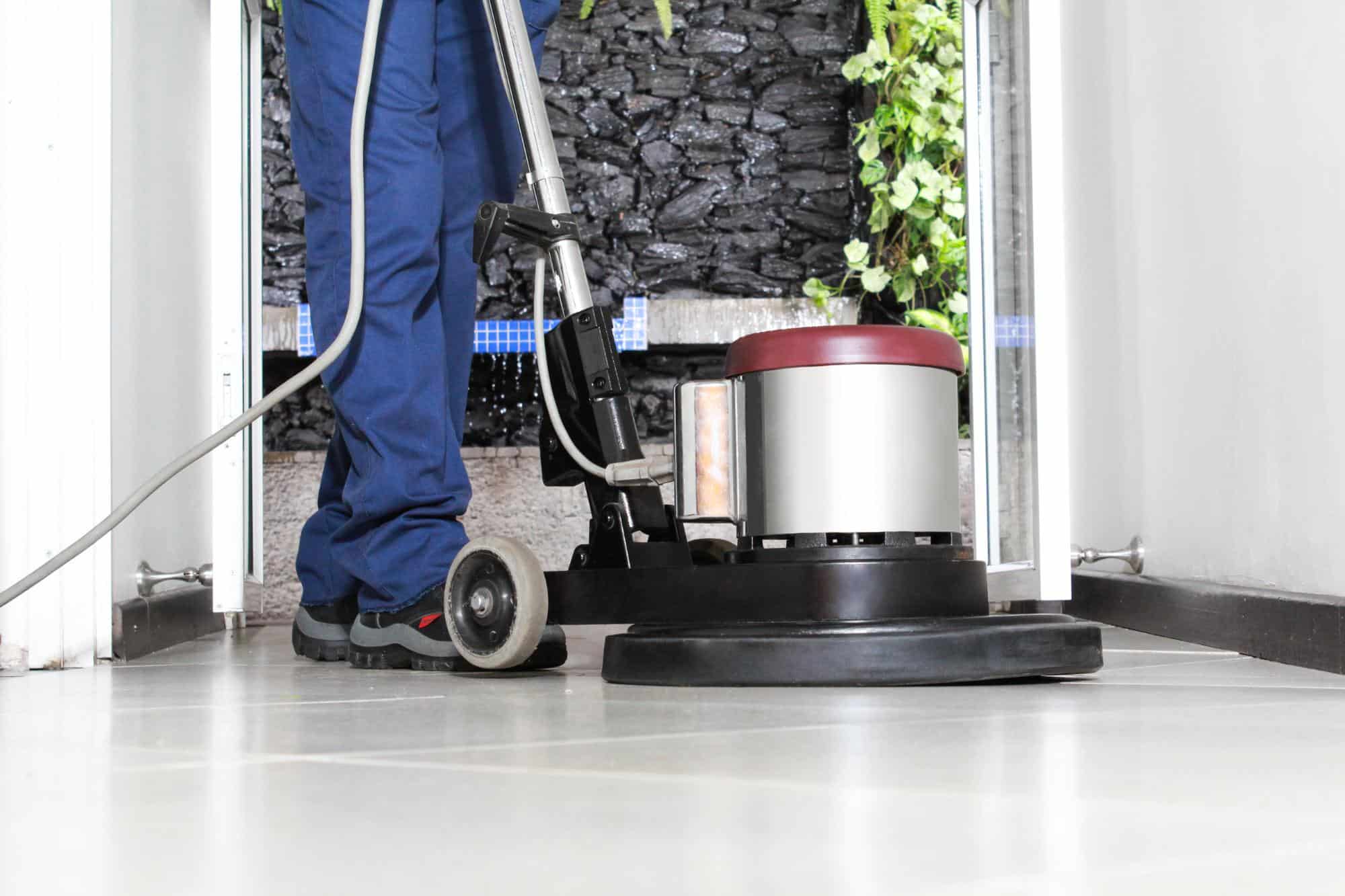
Diamond polishing is how etch marks and scratches are removed. The surface is worked through a series of progressively finer abrasive pads — starting with a cutting grit that removes the damaged layer, then moving through finer grits that restore the surface’s gloss. The process is done wet to prevent heat buildup and dust. The result is a surface that reflects light uniformly again, without the dull patches that etching creates. This is the only method that actually reverses etch damage.
Marble filler handles physical damage — chips along countertop edges, divots from dropped objects, hairline cracks. The filler is a resin compound that’s color-matched to the surrounding stone, applied and cured, then sanded and polished flush with the surface. When it’s done well, the repair is nearly invisible. When it’s done poorly — wrong color, wrong consistency, uneven application — it’s obvious. Color matching marble is genuinely difficult because natural stone has variation that a single tone can’t capture. This is one of the areas where professional experience shows most clearly.
Sealing is the final protective step, and it’s important to understand what it does and doesn’t do. An impregnating sealer penetrates the stone’s pores and creates a barrier against absorbed stains — liquids that would otherwise soak in and leave a dark mark. It does not create a hard surface coating, and it does not prevent etching. The sealer needs to be reapplied periodically depending on how much traffic the surface sees. We can recommend the right type of sealer for the specific stone and use case, which matters because not all sealers are appropriate for all marble.
After restoration, maintenance guidance matters as much as the work itself. Using the wrong cleaner after a professional polish undoes the results faster than most people expect. pH-neutral cleaners, dry microfiber cloths, and prompt cleanup of any acidic spills — wine, citrus, coffee — are the basics. We offer our own Safe Marble Solution product line specifically for this reason: so clients have a vetted aftercare option rather than guessing at the grocery store.
Why Manhattan Marble Takes a Specific Kind of Damage — and Why Restoration Makes More Sense Than Replacement
New York County has a marble problem that’s somewhat unique to how the borough is built. A significant portion of Manhattan’s residential buildings date to the early twentieth century — pre-war co-ops and apartment buildings from the 1910s through the 1940s that feature original marble in lobbies, elevator banks, staircases, and bathrooms. That marble is sometimes eighty or a hundred years old. It’s been cleaned by building staff using whatever product was on hand, walked on through winters that track in road salt and grit, and exposed to decades of use without specialized care. The cumulative effect is real.
Even Manhattan’s water plays a role, though perhaps not in the way most people expect. NYC municipal water is actually classified as soft to moderately hard — averaging around 65 parts per million, well below the national threshold for what’s considered hard water. But that doesn’t mean marble surfaces here are immune to mineral deposits. Older building plumbing in New York County introduces additional minerals into the water that reaches individual units. Rooftop water towers, common throughout Manhattan, can concentrate minerals through evaporation before distribution. And even soft water leaves residue when it evaporates off a surface twice a day, every day, for years. The deposits accumulate regardless of what the city’s average hardness rating says.
Replacement in New York County is also a different proposition than it is elsewhere. In a pre-war co-op or a high-floor condo, replacing marble involves demolition, elevator access restrictions, neighbor noise complaints, and material costs that reflect the city’s premium on everything. The disruption alone is significant in a dense building environment. Professional restoration — which can address etching, scratches, mineral deposits, chips, and surface damage in a single visit without tearing anything out — is not just the more affordable option. In most cases, it’s the more practical one.
We work with both individual homeowners dealing with a bathroom vanity or kitchen countertop and property managers responsible for building lobbies and shared spaces throughout New York County and the broader tri-state area. The scale of the job changes, but the principle is the same: restore what’s there rather than replace it, when restoration is the right call. And in the majority of cases we assess, it is.
When to Stop Cleaning and Call a Marble Restoration Professional
If you’ve tried cleaning a mark on your marble and it hasn’t responded, that’s useful information. It means the damage isn’t surface-level, and continuing to apply cleaners — especially anything acidic — is likely making the underlying problem harder to fix. The right move at that point is to stop, switch to a pH-neutral cleaner for routine maintenance, and get an honest assessment of what you’re actually dealing with.
Most marble damage is fixable. Etch marks, scratches, mineral deposits, chips — these are problems we see and restore regularly. What determines whether restoration is straightforward or complicated is usually how long the damage has been treated with the wrong products. The earlier a professional looks at it, the more options there are.
If you’re in New York County and you’re not sure what you’re looking at, Diamond Stone Restorations Corp . offers free quotes. No pressure to commit — just an accurate read on the damage and what it would take to fix it. That’s a reasonable first step before deciding anything else.
—
**Is a baking soda poultice for marble actually effective?**
It depends entirely on what you’re trying to fix. A baking soda poultice — typically baking soda mixed with water or hydrogen peroxide into a paste, applied to the surface and left to draw out the substance — is a legitimate technique for true stains. If something has absorbed into the marble’s pores (oil, wine, a dark liquid), a poultice can pull it out over time. For that specific problem, it works.
For etch marks, it does nothing. Etching is structural damage to the stone surface, not an absorbed substance. There’s nothing to draw out. If the dull or hazy mark on your marble is an etch mark — which, statistically, it probably is — a poultice won’t change it. Applying one isn’t harmful, but it will delay you from getting the right treatment. In New York County, where pre-war building marble and high-end residential countertops are common, misidentifying an etch mark as a stain and treating it with a baking soda poultice is one of the more frequent reasons people come to us after weeks of DIY attempts that went nowhere.
**Can I get scratches out of marble myself, or does that always need a professional?**
Very light surface scratches — the kind caused by fine grit, cleaning pads, or everyday use — can sometimes be reduced with a marble-specific polishing compound. These are available at stone care suppliers, and if the scratches are genuinely superficial, the results can be noticeable. The key word is superficial. If you can feel the scratch with your fingernail, or if it’s a visible line rather than a general dullness, a polishing compound won’t reach it.
Deeper scratches require diamond abrasive wet-sanding — a process that removes a controlled amount of the stone surface to level out the damage and then re-polishes through progressively finer grits to restore the finish. This is professional equipment and professional technique. Attempting it without experience tends to create uneven results or new damage. If you’re in New York County and the scratched surface is in a lobby, a kitchen, or anywhere visible, it’s worth getting a professional assessment before attempting anything that could make the repair more complicated.
**Does NYC tap water actually cause hard water stains on marble?**
NYC water is softer than most of the country — around 65 parts per million on average, which is well below the threshold most people associate with hard water. But soft water still leaves mineral residue when it evaporates, and it does so every time water contacts the surface and dries. Over months and years of daily use, that adds up. In older New York County buildings, aging pipes and rooftop water towers can introduce additional mineral content beyond what the city’s municipal supply carries. So even though New York County’s water isn’t aggressively hard, marble surfaces here — especially in bathrooms and around kitchen faucets — still develop mineral deposits over time. The classification of the water matters less than the frequency and volume of contact.