
Summary:
Most people discover surface restoration services the same way — they get a replacement quote, feel the sticker shock, and start wondering if there’s another option. There usually is. Professional surface restoration can address etching, scratches, cracks, staining, and years of dullness across marble, terrazzo, tile, metal, and countertops — without tearing anything out. In New York County’s dense, high-traffic buildings, where original stone surfaces are often irreplaceable, that distinction matters more than most people realize. This guide covers what surface restoration actually involves, which materials it applies to, and what to expect from the process — so you can make an informed decision rather than an expensive one.
What Are Surface Restoration Services — and What Do They Actually Cover?
Surface restoration is the professional process of returning a damaged, worn, or dull surface to its original condition — without replacing it. That covers more ground than most people expect. Marble floors, terrazzo lobbies, granite countertops, tile, metal fixtures — all of these can be professionally restored using the right equipment and techniques.
The reason this surprises people is that “restoration” gets conflated with cleaning. They’re not the same thing. Cleaning removes dirt from the surface. Restoration addresses physical damage to the surface itself — etching, micro-scratches, chips, cracks, and staining that no cleaner can touch. Once you understand that distinction, the value of professional restoration becomes a lot clearer.

Stone and marble restoration: what the process actually looks like
Stone and marble restoration follows a multi-step process, and the sequence matters. It’s not a single treatment — it’s a progression from coarser to finer work, each stage building on the last.
It starts with a proper assessment. The type of stone, the nature of the damage, and the condition of any existing coatings all affect how the restoration is approached. Marble behaves differently from granite, and limestone behaves differently from both. Using the wrong compound or technique on the wrong material can cause permanent damage — which is exactly why material-specific expertise matters.
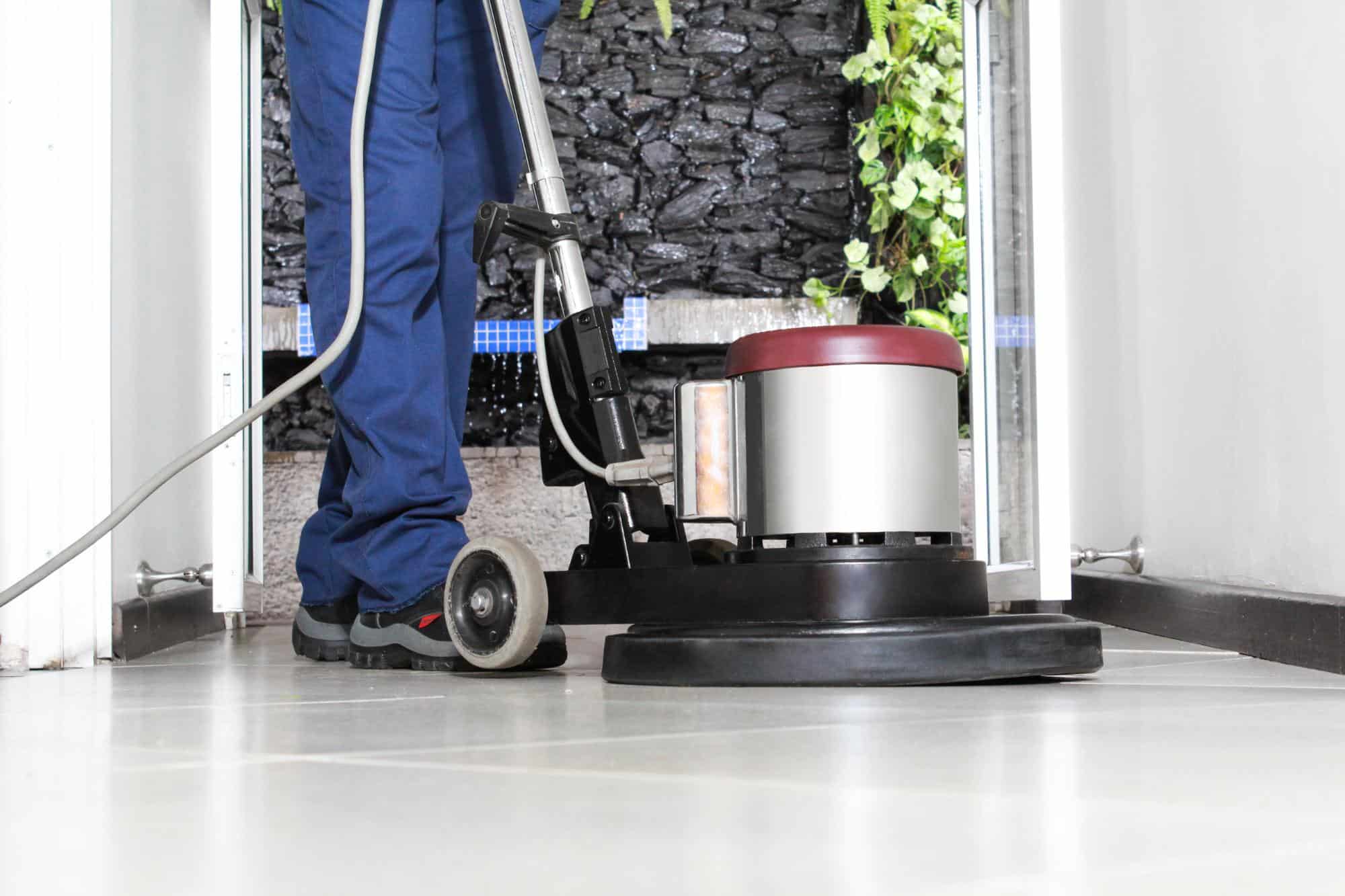
After assessment, the surface is prepared — existing waxes, coatings, or sealers are removed. Then comes grinding, using diamond abrasives to work down through the damaged layer and remove scratches, etching, and discoloration at the source. This is where the real work happens. Diamond abrasives are the industry standard because they’re precise and effective without generating the heat and dust that dry grinding creates — a particularly important point in New York County apartments and co-ops where building rules govern noise, dust, and working hours.
From there, the process moves into honing — progressively finer abrasives that smooth the surface and prepare it for polishing. Polishing is the final step before sealing, and it’s what produces the mirror-like finish that makes restored marble look like it was just installed. The last stage, sealing, applies a penetrating sealer that protects the surface against future staining and moisture damage without sitting on top of the stone the way wax does. Wax yellows, scratches, and traps dirt over time. A proper penetrating sealer works with the stone, not against it.
The whole process for a residential floor typically takes one to three days. Surfaces are usable within hours of sealing. Compare that to the weeks of disruption — demolition, disposal, sourcing, installation — that full replacement involves, and the case for restoration becomes hard to argue against.
Marble and stone restoration isn't just for floors — here's what else qualifies
This is the part most people miss. When they think about stone restoration, they picture lobby floors or kitchen marble. But the same professional restoration process applies to a much wider range of surfaces — and understanding that scope can save you from replacing something that didn’t need to go.
Countertops are a good example. A cracked or chipped marble countertop feels like a disaster when it happens, especially in a New York County kitchen where every square foot matters. But cracks and chips in stone countertops can often be filled with color-matched epoxy and polished to blend seamlessly with the surrounding surface. The result isn’t a patch — it’s a repair that’s nearly invisible.
Terrazzo is another surface that gets overlooked. Terrazzo floors — those composite surfaces made of marble chips, quartz, and other aggregates set in a cementitious base — have been a staple of New York County’s prewar residential and commercial buildings for over a century. They’re durable and beautiful, but decades of foot traffic, improper cleaning, and old wax buildup leave them looking flat and dull. Terrazzo restoration involves the same diamond grinding and polishing process as marble, and the results can be genuinely striking — the embedded chips come back to life in a way that no surface cleaning can replicate.
Tile and metal are also part of the picture. Tile restoration addresses grout discoloration, surface scratches, and dullness without requiring full replacement. Metal refinishing restores fixtures and features that have oxidized, scratched, or simply lost their finish over time. These aren’t afterthought services — in a building lobby or a high-end residential space, the condition of metal fixtures and tile details contributes directly to how the entire space reads.
The common thread across all of these is that professional restoration works at the surface level — addressing actual damage rather than masking it — and delivers results that last years, not weeks.
Professional stone restoration in New York County: what makes this market different
New York County presents a specific set of conditions that accelerate surface wear in ways that property owners in other markets simply don’t deal with at the same scale. The density, the building stock, the winters, the foot traffic — all of it compounds. Understanding those factors helps explain why professional restoration isn’t just a nice-to-have in New York County. For a lot of property owners and managers, it’s a practical necessity.
New York County’s prewar co-ops and condos — many built between the early 1900s and the 1940s — are full of original marble lobbies, terrazzo floors, and ornate stone detailing. These surfaces are architectural features, not decorative choices, and in many landmarked buildings and historic districts, they can’t simply be replaced. Restoration is often the only viable path.
Why New York County buildings need surface restoration more often than you'd expect
The short version: New York County is hard on surfaces. A 200-unit co-op on the Upper West Side might see thousands of footfalls through its lobby every single day. That’s commercial-level traffic on surfaces that were designed for residential use — and the wear accumulates fast.
Winter makes it worse. Road salt and calcium chloride — the de-icing compounds used throughout New York County — are chemically aggressive to marble and limestone. When they’re tracked into lobbies on shoes and boots, they accelerate etching and surface degradation in ways that aren’t immediately visible but compound over time. By spring, the evidence is usually clear: dull, hazy surfaces that cleaning won’t fix.
Hard water is another factor. New York County tap water contains minerals that leave deposits on stone surfaces in bathrooms, kitchens, and wet areas. Over time, these deposits create a film that dulls the surface and resists standard cleaning products. Professional restoration removes that buildup at the source.
For property managers and co-op boards, the calculus is straightforward. A lobby that looks worn sends a signal — to residents, to prospective buyers, to anyone walking through the door. Restoring that surface isn’t a cosmetic indulgence; it’s a maintenance decision that protects the building’s value and the board’s credibility with residents. The National Trust for Historic Preservation has found that maintaining original stone architecture can increase property value by up to 18% compared to full renovation — a figure that tends to get co-op boards’ attention quickly.
The timeline works in restoration’s favor, too. A professional surface restoration team can complete a building lobby in a matter of days, working around building rules for noise and dust. Replacement requires weeks of demolition, sourcing, and installation — and in a New York County building, coordinating that kind of disruption across residents and tenants is its own logistical challenge.
How to know if your surface can be professionally restored
This is the question most people are really asking when they start researching surface restoration services. The honest answer is that most damaged stone and surface materials can be restored — but the right assessment makes all the difference.
Etching, which looks like dull spots or rings on marble and is caused by acidic contact (wine, citrus, cleaning products), is almost always restorable. Micro-scratches from foot traffic or cleaning pads are restorable. Chips and cracks in stone countertops and floors are typically restorable with color-matched repair compounds. Staining from water, oils, or minerals is usually treatable, depending on how deep it’s penetrated and how long it’s been there.
What’s harder to restore is physical damage that goes all the way through the material — a break that compromises structural integrity, or damage severe enough that the surface layer itself is gone. But these cases are less common than people assume. In our experience working across New York County, the vast majority of surfaces that property owners assume are beyond saving can be brought back with the right process.
The only way to know for certain is a proper on-site assessment. That assessment should be honest — not an upsell. We’ll tell you clearly what’s restorable, what the process involves, and what to expect from the results. One of the things we hear most often from new clients is that they’d called other companies before us and felt like they were being steered toward the most expensive option rather than the right one. An honest assessment costs nothing and tells you everything you need to know before committing to anything.
We offer free quotes for exactly that reason. Come in with a cracked countertop, a dull lobby floor, or a terrazzo surface that hasn’t looked right in years — and we’ll give you a straight answer about what’s possible and what it involves. No pressure, no guesswork.
Surface restoration services in New York County: what to do next
If there’s one thing worth taking away from this, it’s that surface restoration covers far more than most property owners realize — and the cost comparison to replacement is almost always eye-opening. Whether you’re managing a prewar co-op lobby on the Upper West Side, dealing with etched marble in a Midtown apartment, or trying to figure out what to do with a terrazzo floor that’s been dull for years, professional restoration is almost certainly worth exploring before you commit to anything more disruptive or expensive.
The process is straightforward, the timeline is manageable, and the results — when the work is done right — last for years. The key is working with a team that understands the specific materials, the specific conditions, and the specific demands of New York County’s building stock.
If you’re ready to find out what’s possible for your surfaces, Diamond Stone Restorations Corp offers free quotes with no obligation. Reach out, describe what you’re dealing with, and we’ll take it from there.