Summary:
Your countertops don’t look the way they used to. Maybe the marble has gone dull, there’s etching from years of coffee and lemon juice, or the surface just looks tired compared to everything else in the kitchen. You know something needs to change — but the idea of ripping everything out and starting over feels expensive, messy, and way more disruptive than your Manhattan apartment can handle right now.
Here’s what most people don’t realize: in a lot of cases, you don’t have to replace anything. Professional countertop resurfacing can bring surfaces back to life — sometimes better than they looked originally — at a fraction of the cost. Here’s what that actually means in practice.
Countertop Resurfacing vs. Replacement: The Real Cost Comparison
Let’s start with the number that matters most. Professional countertop resurfacing typically runs $150 to $800 total for a standard kitchen, depending on the material and the extent of the damage. Full countertop replacement in New York County? That’s usually $1,500 to $6,000 — and for premium stone like marble or quartz, it can climb past $7,000 once you factor in Manhattan labor rates.
That’s not a small gap. It’s the difference between a manageable investment and a project that sends most homeowners into debt. Nearly two-thirds of homeowners who undertake renovations go over budget. Resurfacing is one of the few options that actually delivers high-impact results without that kind of financial exposure.

Kitchen Countertop Resurfacing in Manhattan: Why the Math Hits Differently Here
In most markets, the cost savings from resurfacing are significant. In New York County, they’re even more pronounced — because everything costs more here. Contractor labor in Manhattan runs well above the national average, material delivery to high-rise buildings adds time and cost, and the logistics of a full countertop replacement in a pre-war co-op or a mid-rise condo are genuinely complicated.
Then there’s the building itself. Most Manhattan co-ops and condos have strict rules about renovation work — limited work hours, service elevator requirements, sometimes board approval for anything that involves demolition or structural changes. A full countertop replacement can take anywhere from one week to several months from start to finish. Our resurfacing work is typically done in one to two days, with no demolition, minimal noise, and no need to vacate the kitchen for an extended stretch.
For property managers, this matters even more. When you’re turning over a rental unit or restoring a common area, you need the work done quickly and without disrupting neighboring tenants. Resurfacing fits that window in a way that replacement simply doesn’t.
There’s also the question of what you’re preserving. A lot of Manhattan apartments — particularly in pre-war buildings on the Upper West Side, the Upper East Side, and throughout Midtown — have original Carrara marble countertops and terrazzo surfaces that are genuinely irreplaceable. You can’t walk into a showroom and buy that again. Restoring it keeps the character of the space intact while bringing the surface back to its original condition.
When an apartment is worth $1 million or more, spending $500 to $1,500 to restore a marble countertop isn’t just cost-effective — it’s obvious. The ROI on that kind of investment, especially if you’re preparing to sell or lease, is hard to argue with.
How to Refinish Kitchen Countertops: What the Professional Process Actually Looks Like
This is where a lot of people get confused, because “resurfacing” gets used loosely to describe everything from a DIY epoxy kit to a full professional stone restoration. They are not the same thing.
When we restore a stone countertop — marble, granite, quartz, terrazzo — we’re not painting over it or applying a coating on top of the damage. We start with a thorough assessment of the surface: what type of stone it is, how deep the scratches or etching go, whether there are chips that need to be filled, and what finish you want at the end. Every material behaves differently, and what works on granite can damage marble. That assessment step isn’t a formality — it determines our entire approach.
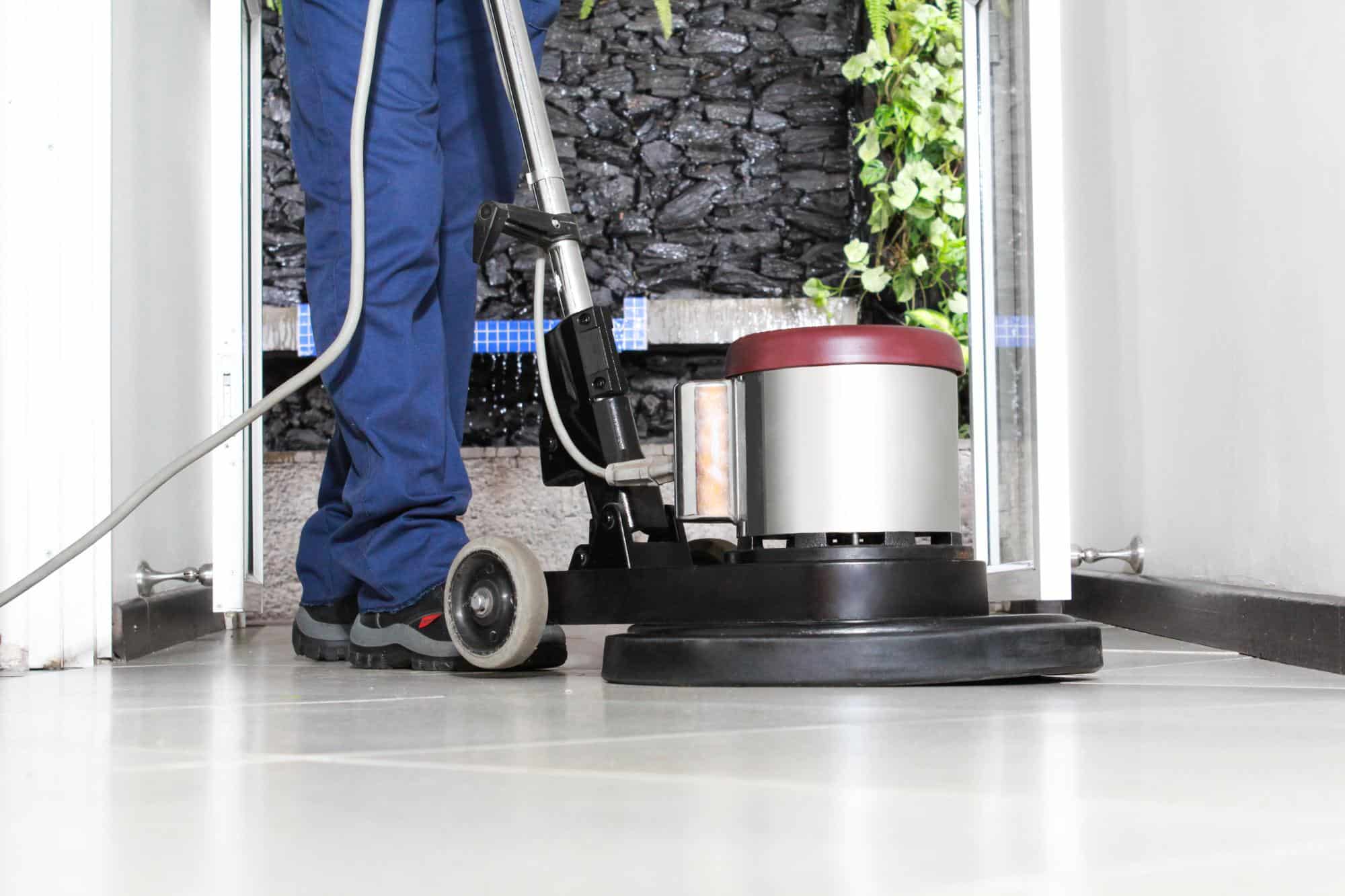
From there, the process moves through cleaning, honing if needed, and polishing using diamond abrasive pads in progressively finer grits. This physically removes the damaged layer of the stone’s surface and reveals the intact material beneath. It’s the same principle as refinishing hardwood floors — we’re not covering the problem, we’re removing it. For chips or deeper structural damage, we use color-matched epoxy fills before polishing, so the repair disappears into the surface.
The final step is sealing — applying a penetrating sealer appropriate for the specific stone type. This protects the restored finish from future staining, etching, and moisture infiltration. For marble countertops especially, we can apply a treatment that significantly reduces the risk of future etching from acidic substances like lemon juice, wine, or vinegar — a common problem in New York County kitchens that see serious daily use.
The whole process is clean, contained, and doesn’t require you to empty the kitchen or arrange alternative living situations. Most jobs are complete in a single day.
Refinish Kitchen Countertops: When It Makes Sense and When It Doesn't
Resurfacing isn’t the right answer for every situation, and we’d rather give you an honest framework than oversell the service. The decision comes down to a few straightforward factors.
If your countertops are structurally sound — no major cracks running through the slab, no warping, no underlying damage — and the issues are primarily cosmetic, resurfacing is almost always the better choice. Dullness, etching, surface scratches, minor chips, and staining are all within the scope of professional restoration. If there are multiple deep cracks, significant structural failure, or you simply want a completely different material, replacement makes more sense.

Should I Resurface or Replace My Countertops? A Straightforward Answer
The most common reason people lean toward replacement when they don’t need to is that they assume the damage is too far gone. That’s understandable — when a marble countertop has years of etching and dullness, it can look like it’s beyond saving. In most cases, it isn’t.
Deep scratches, acid etching, chips, and significant surface dullness can all be addressed through professional diamond abrasive restoration. We’ve restored countertops that clients had written off entirely — surfaces with damage from years of neglect, harsh cleaning products, or previous DIY repair attempts. One customer noted that their marble hadn’t looked that good since the day it was installed. That’s not an unusual outcome.
The cases where replacement genuinely makes more sense are when the countertop has structural cracks that compromise its integrity, when the substrate beneath is damaged, or when you want to change the material entirely. If you’re going from laminate to marble, that’s a replacement conversation. If you have marble that’s lost its finish, that’s a restoration conversation.
For New York County homeowners specifically, there’s another factor worth considering: if you’re in a pre-sale situation and trying to maximize your listing without over-investing, resurfacing is one of the highest-ROI upgrades available. Kitchens are a primary factor in buyer decisions, and a restored marble countertop photographs dramatically better than a dull, etched one — without the cost or timeline of a full renovation.
A professional assessment is always the right first step. It costs nothing to have someone look at the surface and give you an honest read on what’s possible. That’s exactly what our free estimate process is designed to do.
The Environmental Case for Countertop Resurfacing in New York County
There’s a dimension to this decision that doesn’t come up often enough: what happens to the old countertop when you replace it. Quarrying new stone requires significant energy and resource extraction. Fabricating and transporting a new slab to a Manhattan high-rise adds more. And the old countertop — often perfectly good stone that just needs attention — ends up in a landfill.
Restoration eliminates all of that. The stone stays where it is. No new material is quarried, no old material is hauled away, and the finished result is a surface that can last another decade or more with proper maintenance. For New York County residents who are conscious about sustainability — and a lot of Manhattan homeowners are — this is a meaningful part of the value equation.
The products we use in the restoration process matter too. Our marble polishing and stone restoration work uses biodegradable compounds that are safe for the home environment, including households with children and pets. We’re not introducing harsh chemicals into your kitchen space or leaving behind residues that require ventilation and extended curing time.
New York City has some of the most ambitious sustainability goals of any city in the country. Choosing restoration over replacement is a small but concrete way to align with that direction — and it saves you money at the same time. That’s not a trade-off most renovation decisions offer.
NYC’s hard water is also worth mentioning here. Manhattan tap water contains minerals that gradually deposit on stone surfaces, contributing to dullness and surface buildup over time. Regular professional maintenance — cleaning, polishing, and resealing — is particularly valuable in this environment and extends the life of the restoration significantly. It also means that a one-time restoration job can evolve into a straightforward maintenance relationship that keeps your countertops looking consistently sharp for years.
Is Countertop Resurfacing Worth It in New York County? Here's the Bottom Line
If your countertops are structurally intact and the damage is cosmetic, resurfacing is almost certainly worth it — especially in New York County, where replacement costs are high, building logistics are complicated, and the surfaces worth preserving are often genuinely irreplaceable.
The savings are real. The results hold up. And the process is far less disruptive than most people expect. A professional restoration is typically done in a day, with no demolition, no extended downtime, and no board approval headaches.
If you’re not sure whether your countertops are a good candidate for restoration, the best next step is a free estimate. We’ve been working with New York County homeowners, property managers, and commercial clients for over a decade — and we’ll give you a straight answer about what’s possible before you commit to anything.
—
**FAQs**
**How much does countertop resurfacing cost compared to replacement?** Professional resurfacing typically runs $150 to $800 for a standard kitchen. Full replacement in New York County usually falls between $1,500 and $6,000, and can exceed $7,000 for premium stone once Manhattan labor rates are factored in. Most clients save between 30% and 70% by choosing restoration — sometimes more.
**What’s included in professional kitchen countertop refinishing?** It starts with an assessment of the stone type and surface condition. From there, the process includes deep cleaning, honing if needed, diamond abrasive polishing, chip repair where applicable, and a final sealant application to protect the restored finish. We also walk you through how to maintain the surface going forward so the results last.
**How long does countertop resurfacing last?** A professionally restored countertop typically holds up for 5 to 20 years, depending on the material and how well it’s maintained. Natural stone — marble, granite, terrazzo — doesn’t degrade through the restoration process itself. With proper sealing and routine care, the results can last well beyond that range. In New York County specifically, where hard water and heavy kitchen use are common, we recommend annual maintenance visits to keep your restored surface in peak condition.
**Should I refinish or replace my kitchen countertops?** If the countertop is structurally sound and the damage is primarily cosmetic — scratches, etching, dullness, minor chips — refinishing is almost always the better choice. Replacement makes sense when there’s significant structural damage or when you want to change the material entirely. In New York County specifically, where replacement involves higher labor costs, building logistics, and often board coordination, the bar for choosing replacement over restoration is even higher.
**What is a countertop makeover?** A countertop makeover is any process that significantly improves the appearance of your existing countertops without full replacement. In the context of natural stone, the most effective version of a countertop makeover is professional restoration — diamond abrasive polishing, chip repair, and sealing that returns the surface to its original finish or better. It’s the lasting, professional alternative to DIY kits or cosmetic overlays, and in New York County’s pre-war buildings and luxury residences, it’s often the only approach that does justice to the original material.