Summary:
Breaking Down the Stone Sealing Process
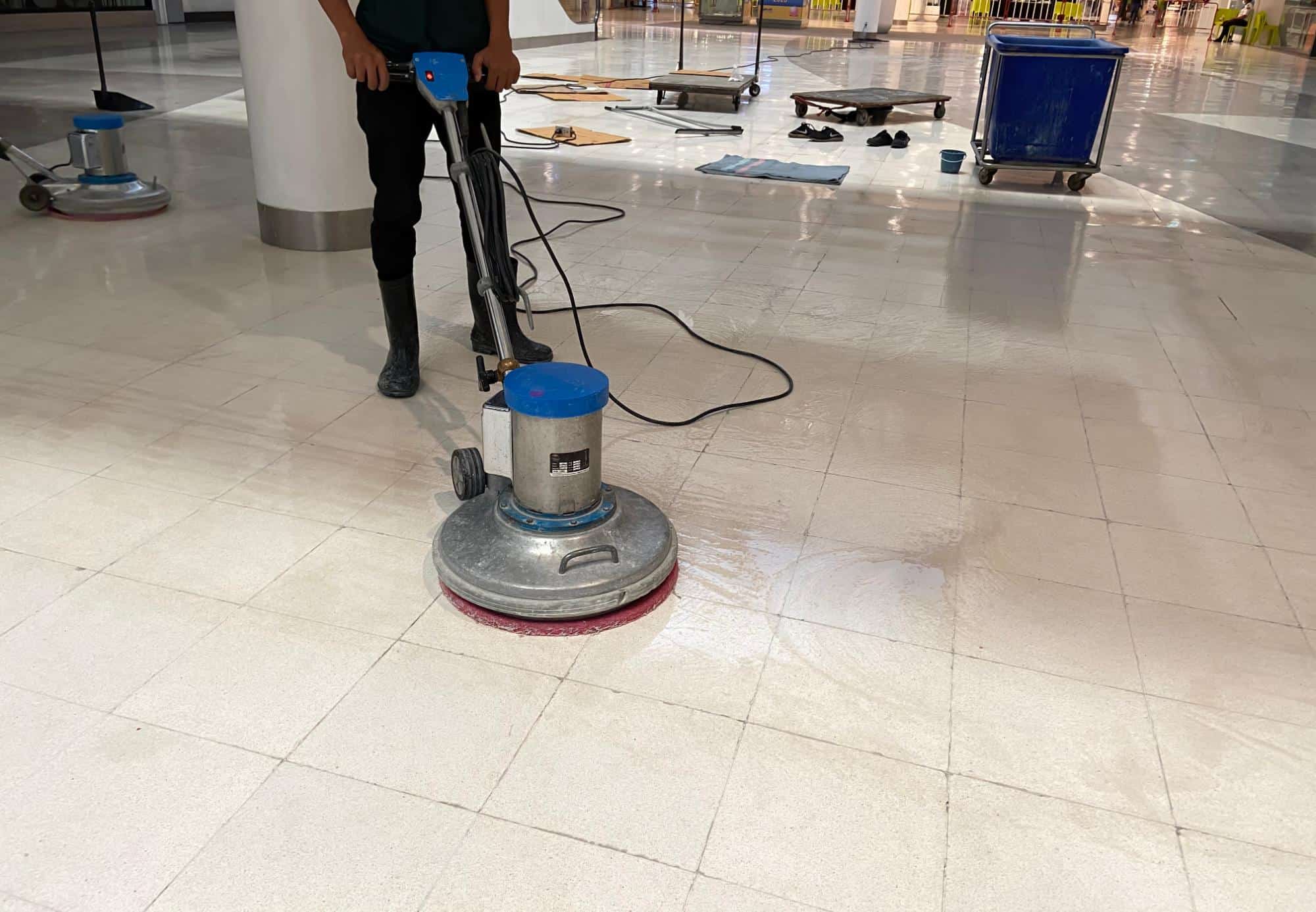
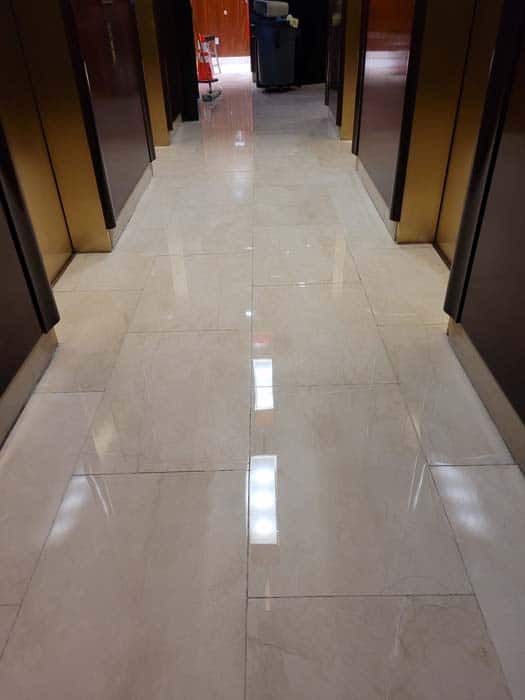
Sealing your stone is like giving it a weatherproof jacket. At Diamond Stone Restoration Corp, we start the process with a deep clean, completely removing all dust, grime, and leftover residue. That clean surface allows the sealer to bond properly and sink into the stone’s pores.
Once applied, the sealer forms a barrier that helps block spills, stains, and moisture. After that, it needs time to settle and cure; usually, a few hours, depending on the type of stone. Whether it’s floors, patios, or countertops, this step helps keep your surfaces looking better for longer.
Why Skipping Sealing Isn’t Worth the Risk
Restoring your stone without sealing it afterward is like washing your car and skipping the wax. The shine is there, but there’s nothing to protect it. Unsealed stone can soak up spills, collect dirt, or even crack when exposed to moisture.
Sealing after restoration helps protect your investment. It acts as a buffer between the surface and the elements – whether that’s foot traffic on your floors or rain beating down on your patio. The result? Stone surfaces that stay in better shape, longer, without you having to constantly fight stains or discoloration.
The Right Tools and Materials Make the Difference
Not all stone is created equal – and neither are the products used to protect it. At Diamond Stone Restorations Corp, we use high-quality sealers selected based on the stone’s composition and the way it’s used.
Sealing stone floors in a busy hallway calls for something stronger than what you’d use on a decorative wall. Likewise, sealing stone patios requires materials that can hold up against outdoor conditions. Whether you’ve got marble, granite, limestone, or something else, we choose sealers designed to get the job done right.
Want live answers?
Connect with a Diamond Stone Restorations Corp expert for fast, friendly support.
The Role of Sealing in Long-Term Stone Maintenance
Stone surfaces in Manhattan and Astoria endure a lot. From city grime to seasonal weather changes, these materials need care that goes beyond the initial restoration. That’s why regular maintenance – including sealing – is essential.
Reapplying sealer helps prevent your stone surfaces from absorbing moisture, preventing damage like stains and etching. It also makes general cleaning easier since dirt has a harder time sticking to sealed surfaces. Whether it’s sealing stone floors in a busy home or sealing stone countertops in a kitchen, this kind of upkeep pays off.
How to Choose the Right Sealer for Your Surface
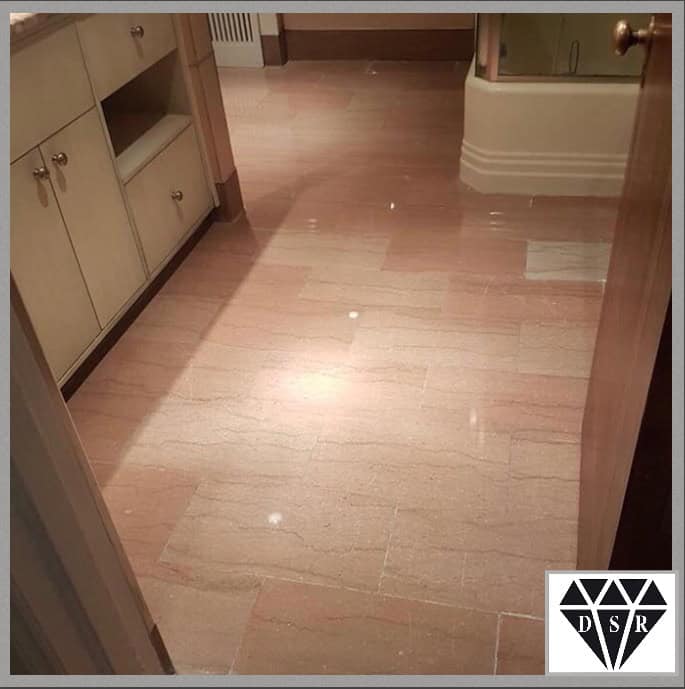
Different types of stone have different needs. A dense granite surface might need a completely different sealer than a porous limestone wall. We also factor in whether the surface is inside or outside, whether it sees frequent use, and what kind of spills or wear it may encounter.
You’ll also want to think about location. Sealing stone patios exposed to sunlight and rain will require something more weather-resistant than what you’d use inside. At Diamond Stone Restorations Corp, we evaluate your stone’s condition and placement so we can suggest the right fit for longer-lasting results.
Common Questions About Sealing Stone Surfaces
One of the most frequently asked questions is: How often should stone be sealed? While there’s no one-size-fits-all answer, a good rule of thumb is every 1 to 3 years, depending on usage and exposure.
Another common question is whether DIY sealing is worth trying. While it might seem simple, proper application can be tricky. Missed spots or uneven application can reduce the effectiveness of the sealer. That’s why working with professionals like the team at Diamond Stone Restorations Corp is a smart investment, because you’ll get the best protection right from the start.
Let Diamond Stone Restorations Corp Help You Lock in Lasting Stone Care
Once your stone has been restored, don’t leave it unprotected. Sealing adds that extra layer of defense your countertops, floors, patios, and walls need to handle everyday use and unpredictable weather. At Diamond Stone Restorations Corp, we help property owners in Manhattan and Astoria keep their stone surfaces looking polished and protected. If you’re ready to make that restoration last, give us a call. We’ll help you seal in the results and make maintenance that much easier.