
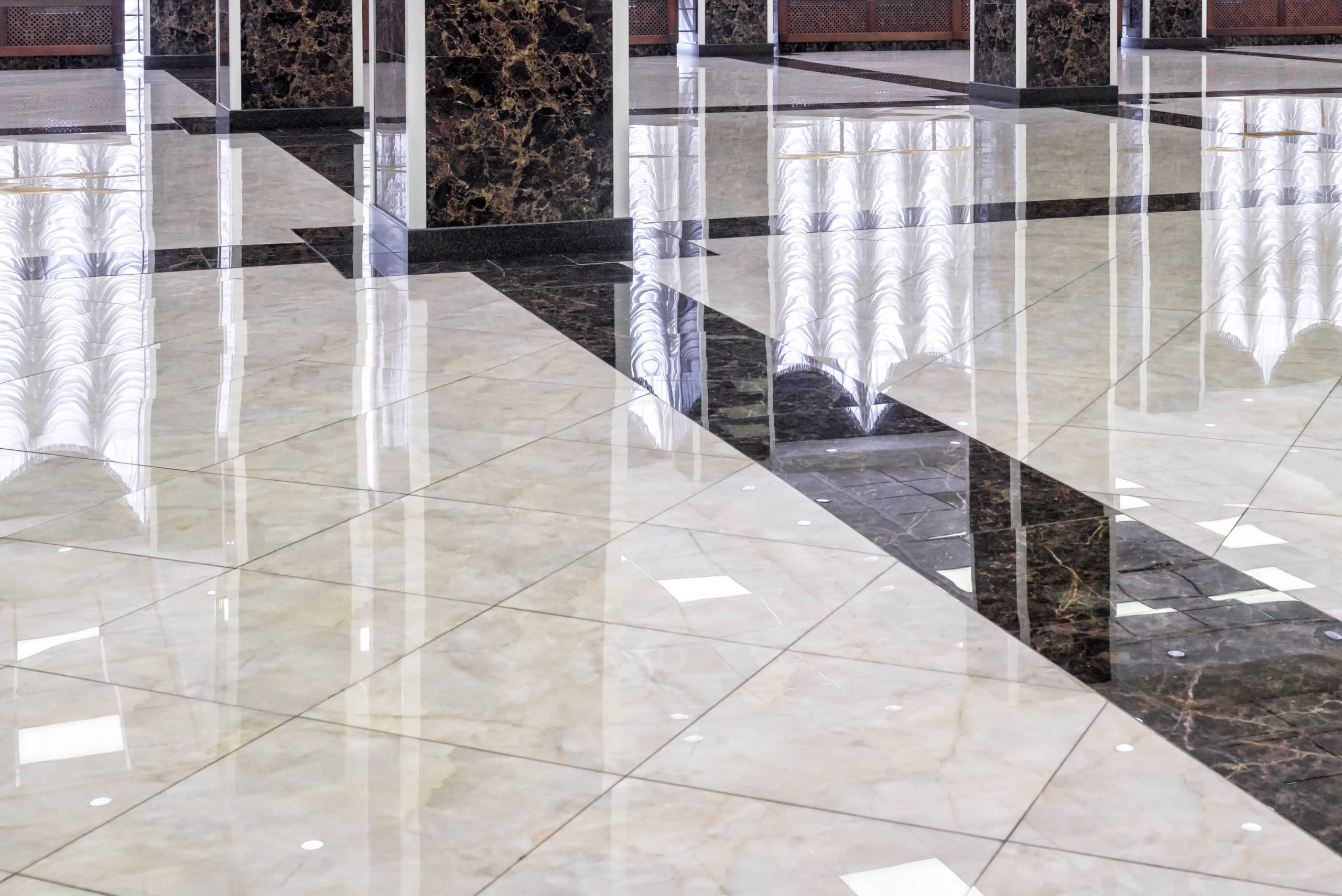
Summary:
You wiped up the spill. You cleaned the surface. And the mark is still there. If you’re staring at a white ring or cloudy patch on your marble table that refuses to budge no matter what you try, you’re not alone — and you’re probably not dealing with what you think you are. The frustrating truth is that most marble table “water stains” aren’t stains at all. Understanding what’s actually happening to your surface is the first step toward fixing it — and toward not making it worse in the process.
How to Remove Water Rings from Marble — and Why Most Attempts Fail
The instinct when you see a ring on your marble table is to clean it. Grab a spray, wipe it down, maybe scrub a little harder. When that doesn’t work, you try something stronger. And that’s usually where the real damage begins.
The reason most cleaning attempts fail is simple: what looks like a water stain on marble is almost never caused by water sitting on the surface. It’s caused by a chemical reaction between an acidic substance and the stone itself. Cleaning products can’t reverse that. In fact, many of them accelerate it.
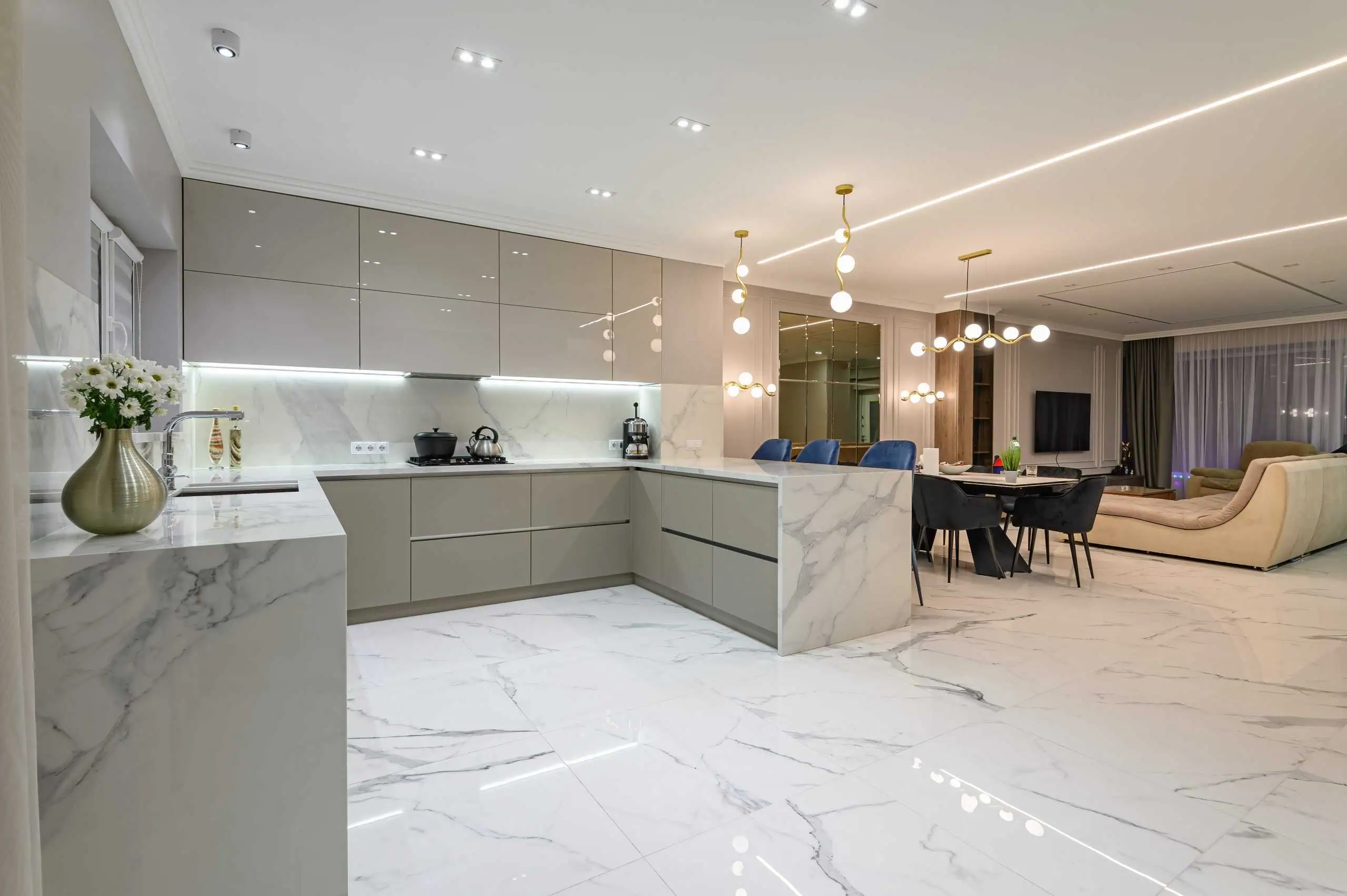
Water Ring on Marble Table: Is It a Deposit or an Etch Mark?
This is the question that changes everything, because the answer determines whether you have a surface problem or a structural one — and the fix is completely different depending on which one you’re dealing with.
True mineral deposits — the kind left by hard water — sit on top of the marble surface. They’re raised, slightly crusty, and caused by calcium and magnesium in the water evaporating and leaving their minerals behind. These are the easiest type of mark to address, because the stone itself hasn’t been damaged. A pH-neutral stone cleaner and a soft cloth can sometimes lift them without incident.
Etch marks are a different story entirely. Marble is composed primarily of calcium carbonate, and when it comes into contact with anything acidic — coffee, wine, citrus juice, vinegar, or even many cleaning products marketed as “all-purpose” — a chemical reaction occurs that literally eats into the surface of the stone. The result is a dull, matte spot or ring where the polished finish used to be. It looks like a stain. It behaves like a stain. But it isn’t one. It’s physical damage to the stone, and no amount of cleaning will restore the finish.
Here’s where it gets particularly relevant for New York County residents: NYC tap water is classified as soft to moderately hard, with hardness levels typically ranging from 20 to 60 mg/L according to water quality data. Soft water is actually more aggressive toward calcium carbonate-based stones like marble, because it seeks to dissolve the minerals present in the stone. So even if you’re not dealing with heavy limescale buildup, the water itself — combined with any acidic substance — can quietly work against your marble table over time.
The marks that most people call water stains on marble are etch marks in the overwhelming majority of cases. And that distinction matters enormously when you’re deciding what to do next.
Why the Wrong Cleaning Product Makes Marble Etching Worse
This is the part nobody warns you about until after it’s happened. You notice a ring on your marble dining table. You reach for something under the sink — maybe a multi-surface spray, maybe a product that says “removes hard water deposits,” maybe even something labeled specifically for stone. You spray, you wipe, and the mark either stays the same or looks worse.
The reason is chemistry. For a cleaner to be safe on marble, it needs to be pH-neutral — sitting right at a 7, or very slightly alkaline. Anything below that threshold is acidic, and acidic substances etch marble on contact. Many common household cleaners — including products specifically designed to cut through limescale and mineral buildup — contain acids that are formulated to dissolve calcium. That’s exactly what they do. And since marble is calcium carbonate, they dissolve the stone along with the deposit.
Vinegar is one of the most common culprits. It’s a go-to for natural cleaning, and it works brilliantly on many surfaces. On marble, it causes immediate etching. The same goes for lemon juice, many bathroom cleaners, and any product with “descaler” in the name. Etching can begin within 30 seconds of acid contact on marble — it doesn’t take long exposure to cause visible damage.
There’s also the sealing misconception worth addressing directly. Many people assume that if their marble is sealed, it’s protected from water stains and etching. Sealing does reduce liquid absorption, which helps prevent actual staining from oils, wine, and other pigmented substances soaking into the stone. But it does not block the chemical reaction that causes etch marks. A sealed marble table can still etch from a lemon wedge left on the surface, from a vinegar-based salad dressing, or from an acidic cleaning product. The sealant and the etch mark are two separate things happening on two different levels of the stone.
If you’ve already tried a few different products and the mark is still there — or looks worse — that’s a reliable sign you’re dealing with etching that has gone past the point of any consumer remedy.
Best Marble Cleaner for Water Stains — and When to Stop Cleaning
The honest answer to “what’s the best marble cleaner for water stains” is that it depends entirely on what you’re actually dealing with. For surface mineral deposits, a pH-neutral stone cleaner applied with a soft cloth is the right tool. It lifts the deposit without reacting with the stone. For etch marks, there is no cleaner that will help — because the damage is in the stone, not on it.
The most important thing you can do before reaching for any product is identify which type of mark you have. Run your fingertip across it. If it feels slightly raised or rough compared to the surrounding surface, it may be a mineral deposit. If the surface feels smooth but looks dull or matte compared to the polished stone around it, you’re almost certainly looking at an etch mark.
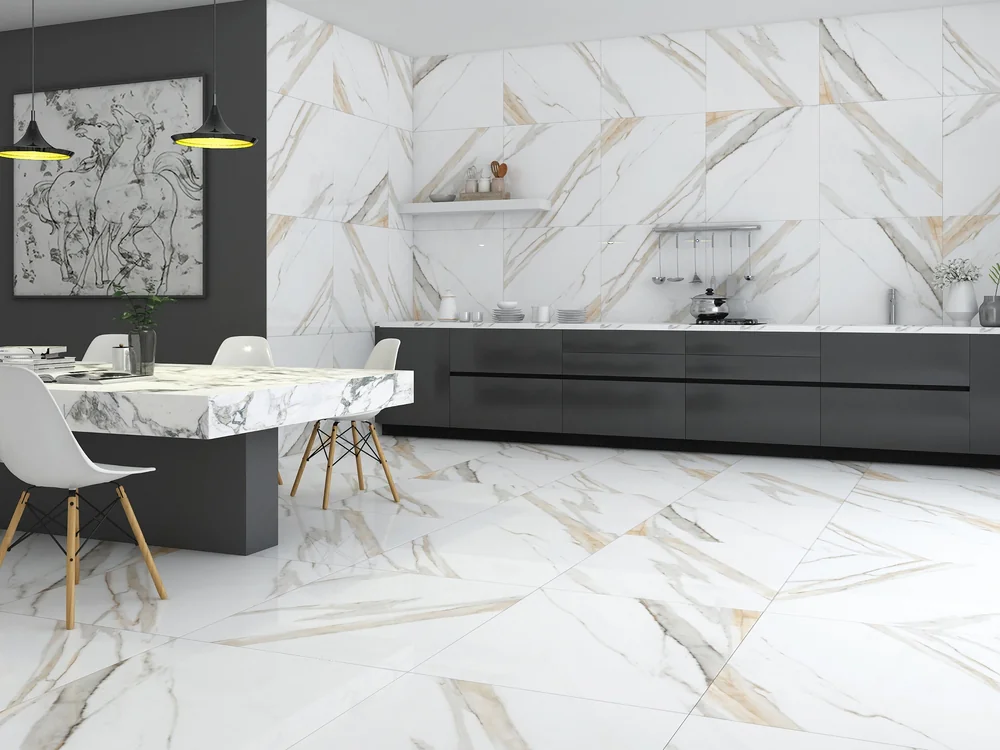
What Professional Marble Restoration Actually Looks Like
When etching is the problem, professional mechanical restoration is the only real solution. This isn’t a cleaning process — it’s a refinishing process. A trained technician uses diamond abrasive pads, progressing from coarser grits that remove the damaged surface layer through finer grits that restore the polish, until the stone’s original finish is brought back. The result isn’t a coating or a cover-up — it’s fresh, undamaged stone.
The difference between a light etch and a deep one matters here. A single coffee ring from last Tuesday is a very different job than years of accumulated etching across a dining table that’s been cleaned with the wrong products for a decade. Light etches can sometimes be addressed with professional-grade polishing compounds. Deep or widespread etching requires the full diamond abrasive process, which is why an accurate assessment before any work begins is essential.
At Diamond Stone Restorations Corp, we take this seriously. Before we recommend a course of action, we assess the type and severity of the damage — etch marks, mineral deposits, scratches, or some combination — because treating the wrong problem not only wastes time and money, it can make things worse. We’ve had clients come to us after getting quotes from other companies that never identified what the actual issue was. Getting the diagnosis right is the foundation of a restoration that holds.
For marble tables specifically, the restoration process is precise work. A dining table or coffee table is a focal point — it’s not a floor you can close off for a day. We work carefully, and the results are a surface that looks the way it did before the damage, not a surface that looks like it’s been repaired.
Marble Tables in New York County Apartments: A Specific Kind of Problem
In New York County, marble tables aren’t just furniture — they’re often the centerpiece of a space that has to work hard in a small footprint. A marble dining table in a pre-war Upper West Side apartment, a marble coffee table in a SoHo loft, a marble console in a Tribeca co-op entryway — these pieces carry real aesthetic and financial weight. When one develops a visible ring or cloudy patch, it’s not a minor inconvenience. It’s a blemish on the room’s focal point.
Manhattan’s dense, high-use living environments also mean marble tables see more activity than their counterparts in larger homes. Entertaining in a 900-square-foot apartment means wine glasses, coffee cups, and cocktails are frequently set directly on the table. Coasters are easy to forget in the middle of a dinner party. And the combination of New York County’s soft tap water with the acidic substances common to any kitchen or bar setup creates a consistent low-level risk that adds up over time.
We serve residential clients throughout New York County — from the Upper East Side to the West Village to Midtown — as well as building managers and commercial clients whose marble surfaces in lobbies, restaurants, and common areas face even heavier daily use. The approach is the same regardless of the setting: assess accurately, restore precisely, and leave the surface better than we found it.
For ongoing protection after restoration, we offer our proprietary Safe Marble Solution — a stone care product line formulated to be safe for marble and effective for regular maintenance. It’s what we recommend to clients who want to keep their surfaces looking their best between professional visits, without the risk of reaching for the wrong product.
When to Stop Guessing and Get Your Marble Table Professionally Assessed
If the mark on your marble table hasn’t responded to careful cleaning with a pH-neutral product, it’s almost certainly an etch mark — and the longer you experiment with other solutions, the greater the risk of compounding the damage. The good news is that most etching, even damage that looks severe, is restorable. It’s not a replacement situation. It’s a refinishing one.
The first step is knowing what you’re actually dealing with. A professional assessment takes the guesswork out of it entirely — and it changes the conversation from “is this ruined?” to “here’s exactly what it will take to fix it.”
If you’re in New York County and you’re looking at a marble table that hasn’t been the same since a spill, a cleaning attempt, or years of regular use, reach out to Diamond Stone Restorations Corp. We offer free estimates, and we’ll give you a straight answer about what’s happening to your surface and what it will take to bring it back.

