Summary:
Understanding Your Condo Association Floor Maintenance Budget Basics
Your condo association floor maintenance budget isn’t just a line item—it’s financial protection. Most NYC buildings allocate between 15-25% of their operating budget to maintenance and repairs, but floors often get overlooked until problems become expensive emergencies.
The key difference between successful buildings and those facing constant assessments? They plan for floor maintenance as a capital preservation strategy, not an afterthought. Smart boards recognize that marble, terrazzo, and stone surfaces in lobbies and common areas represent significant investments that need ongoing care.
Think of it this way: a well-maintained lobby floor can last decades with proper care, while neglected surfaces may need complete replacement within 10-15 years—often costing 5-10 times more than regular maintenance.
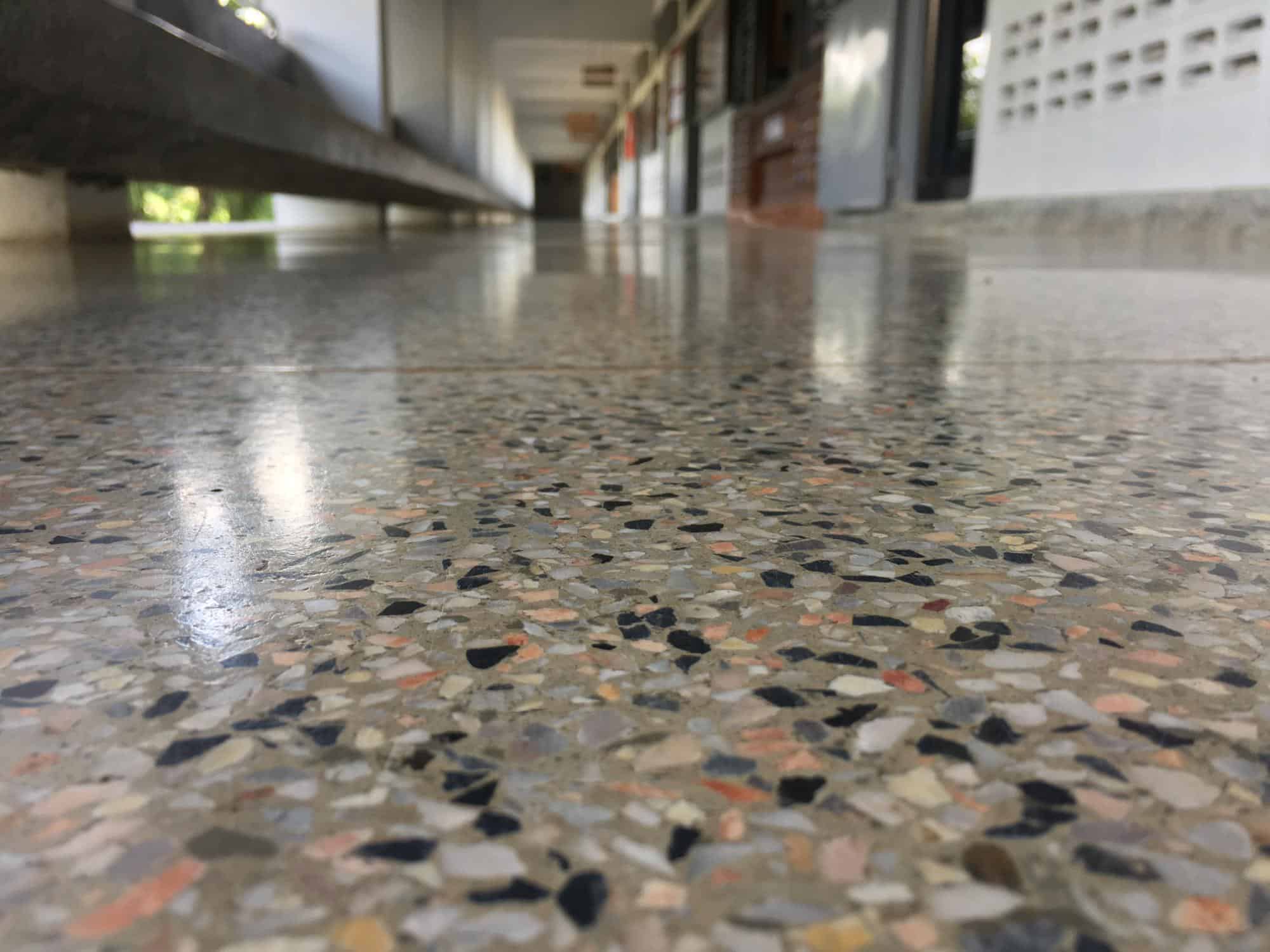
How Much Should You Budget for Condo Building Lobby Cleaning Costs
Professional cleaning for NYC condo common areas typically runs $2,000-$30,000+ monthly, depending on building size and service level. But here’s what most property managers miss—regular cleaning is just the foundation of floor maintenance, not the complete picture.
Your lobby floor faces unique challenges in New York City. Heavy foot traffic, salt damage from winter weather, and the constant wear from deliveries and moving activities all take their toll. A typical Manhattan condo lobby sees 200-500+ daily entries, each carrying dirt, moisture, and potential damage.
For marble and terrazzo floors specifically, plan on annual deep cleaning and restoration services costing $3-8 per square foot. A 1,000 square foot lobby might need $3,000-$8,000 annually for proper restoration maintenance. Compare that to full replacement costs of $15-30 per square foot, and the math becomes clear.
The smartest property managers budget for quarterly professional assessments of their floor conditions. This allows you to catch small issues—like minor scratches or staining—before they become major restoration projects. Early intervention typically costs 70% less than waiting for visible damage to appear.
Reserve Fund Planning for Floor Maintenance Projects
Professional cleaning for NYC condo common areas typically runs $2,000-$30,000+ monthly, depending on building size and service level. But here’s what most property managers miss—regular cleaning is just the foundation of floor maintenance, not the complete picture.
Your lobby floor faces unique challenges in New York City. Heavy foot traffic, salt damage from winter weather, and the constant wear from deliveries and moving activities all take their toll. A typical Manhattan condo lobby sees 200-500+ daily entries, each carrying dirt, moisture, and potential damage.
For marble and terrazzo floors specifically, plan on annual deep cleaning and restoration services costing $3-8 per square foot. A 1,000 square foot lobby might need $3,000-$8,000 annually for proper restoration maintenance. Compare that to full replacement costs of $15-30 per square foot, and the math becomes clear.
The smartest property managers budget for quarterly professional assessments of their floor conditions. This allows you to catch small issues—like minor scratches or staining—before they become major restoration projects. Early intervention typically costs 70% less than waiting for visible damage to appear.
Long Term Condo Maintenance Planning That Actually Works
Effective long-term maintenance planning starts with understanding your floors’ expected lifespan and replacement cycles. Marble and terrazzo floors can last 50+ years with proper care, but only 15-20 years if maintenance is deferred or inadequate.
Your planning should follow a 5-year capital budget cycle, with annual reviews to adjust for actual wear patterns and building usage changes. This approach helps boards make informed decisions about when to invest in restoration versus replacement, and how to time major projects with other building improvements.
The key is treating floor maintenance as preventive medicine for your building’s financial health. Regular care extends asset life, maintains property values, and provides predictable budgeting that residents can plan around.

Creating Your Annual Floor Maintenance Schedule
Your annual maintenance schedule should align with your building’s usage patterns and New York’s seasonal challenges. Winter months bring salt damage and increased moisture, while summer sees higher foot traffic from tourism and moving season.
Start with quarterly professional assessments of all common area floors. These evaluations catch developing issues early and help you plan maintenance timing around resident convenience and budget cycles. Spring assessments should focus on winter damage repair, while fall evaluations prepare floors for harsh weather ahead.
Schedule annual deep cleaning and restoration during low-activity periods—typically late fall or early spring when fewer residents are moving and building traffic is lighter. This timing also aligns with most buildings’ budget cycles, making financial planning more straightforward.
Don’t forget to coordinate floor maintenance with other building projects. If you’re planning lobby renovations or building system upgrades, timing floor restoration work simultaneously can reduce overall costs and minimize resident disruption. Many buildings save 15-20% on total project costs through strategic scheduling.
Documentation is crucial for long-term success. Maintain detailed records of all floor maintenance work, including photos, contractor reports, and cost tracking. This information becomes invaluable for future planning and helps demonstrate responsible building management to potential buyers and lenders.
When to Choose Restoration Over Replacement
The decision between restoration and replacement often determines whether your building faces manageable maintenance costs or major capital expenditures. Understanding when each approach makes financial sense can save your building hundreds of thousands of dollars over time.
Restoration makes sense when surface damage is primarily cosmetic—scratches, staining, or loss of shine that doesn’t affect the structural integrity of the flooring material. For marble and terrazzo floors, professional restoration can return surfaces to like-new condition for 20-30% of replacement costs.
Consider restoration when your floors show wear but the underlying material remains sound. Signs that restoration is the right choice include surface scratches that don’t penetrate deeply, staining that responds to professional treatment, and general dullness from years of foot traffic and cleaning.
Replacement becomes necessary when structural damage affects the floor’s integrity—deep cracks, significant chips, or damage that compromises safety. However, many buildings rush into replacement decisions without exploring restoration options that could extend floor life by 10-15 years.
The most cost-effective approach often involves strategic restoration that buys time for proper replacement planning. Instead of facing emergency replacement costs, you can plan major capital projects during optimal budget cycles while maintaining beautiful common areas through professional restoration services.
Work with restoration specialists who understand the specific challenges of NYC buildings. We can provide accurate assessments of your floors’ condition and realistic timelines for both restoration and eventual replacement, helping you make informed financial decisions.
Building Your Sustainable Floor Maintenance Strategy
Smart condominium floor maintenance budgeting protects your building’s financial health while maintaining the beautiful common areas residents expect. The key is treating floor care as an investment in property values, not just an operating expense.
Remember that proactive maintenance costs significantly less than reactive repairs. Buildings that plan ahead avoid special assessments, maintain higher property values, and create more predictable budgets that benefit everyone in the community.
Your floors represent a major building asset that deserves professional care and strategic planning. When you’re ready to develop a comprehensive maintenance strategy that protects your investment and keeps your residents happy, we can help you create a plan that works for your building’s specific needs and budget requirements.