Summary:
For chips, cracks and etching on stone counters, see our countertop repair service in NYC.
Why Granite Hardness Changes Everything About Restoration
Here’s what most people don’t realize: granite is the second hardest natural material after diamond. This isn’t just a fun fact—it completely changes how restoration works.
While marble can be polished with relatively gentle compounds, granite’s crystalline structure requires diamond-embedded pads and specific pressure techniques. Think of it like trying to sharpen a knife with sandpaper versus a whetstone. The wrong approach won’t just fail—it can actually damage your investment.
The Diamond Grit Sequence That Actually Works on Granite
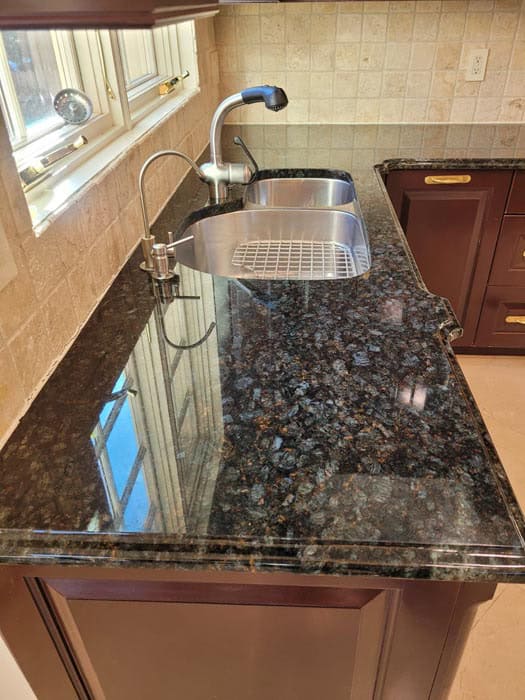
Professional granite restoration follows a precise 7-step diamond grit sequence: 50, 100, 200, 400, 800, 1500, and 3000 grit. Each step removes progressively finer scratches while building toward that mirror finish you remember from installation day.
Here’s where most DIY attempts go wrong: skipping grits or using the wrong pressure. Granite’s hardness means you can’t rush the process. Miss a step, and you’ll see swirl marks or haze that’s nearly impossible to fix without starting over.
The coarse grits (50-200) handle the heavy lifting—removing deep scratches, stains, and surface damage. Medium grits (400-800) refine the surface and eliminate visible flaws. Fine grits (1500-3000) create that high-gloss finish, but only if the previous steps were done correctly.
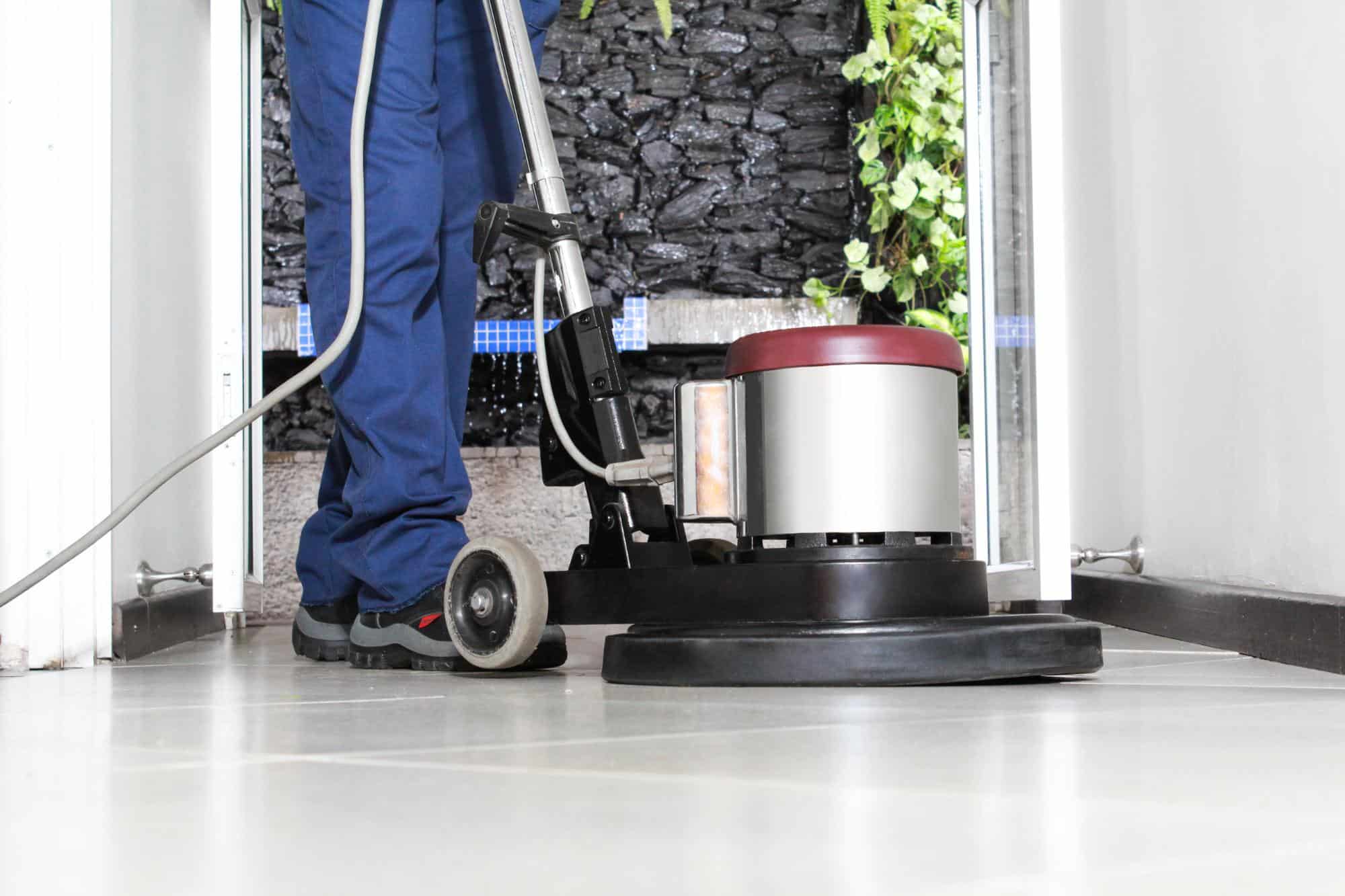
Water plays a crucial role throughout this process. It keeps the granite cool, prevents diamond pad damage, and helps the abrasives cut more effectively. Professional wet-polishing techniques also eliminate dust, protecting both your home and the stone’s integrity.
Why Marble Techniques Fail Spectacularly on Granite
Professional granite restoration follows a precise 7-step diamond grit sequence: 50, 100, 200, 400, 800, 1500, and 3000 grit. Each step removes progressively finer scratches while building toward that mirror finish you remember from installation day.
Here’s where most DIY attempts go wrong: skipping grits or using the wrong pressure. Granite’s hardness means you can’t rush the process. Miss a step, and you’ll see swirl marks or haze that’s nearly impossible to fix without starting over.
The coarse grits (50-200) handle the heavy lifting—removing deep scratches, stains, and surface damage. Medium grits (400-800) refine the surface and eliminate visible flaws. Fine grits (1500-3000) create that high-gloss finish, but only if the previous steps were done correctly.
Water plays a crucial role throughout this process. It keeps the granite cool, prevents diamond pad damage, and helps the abrasives cut more effectively. Professional wet-polishing techniques also eliminate dust, protecting both your home and the stone’s integrity.
Professional Granite Chip Repair vs DIY Disasters
Granite chips aren’t just cosmetic issues—they’re structural weak points that can expand into larger cracks. Professional repair involves color-matched epoxy resins, precise application techniques, and seamless blending with the surrounding surface.
DIY kits might seem cost-effective, but granite’s hardness makes proper chip repair exceptionally difficult. The epoxy must cure at the right temperature, be sanded to the exact level, and polished to match the surrounding finish perfectly.
The NYC Factor: Why Location Matters for Granite Care
Living in NYC and Astoria presents unique challenges for granite surfaces. The city’s hard water leaves mineral deposits that etch into improperly sealed granite. High-rise living means temperature fluctuations from heating systems can cause expansion and contraction, leading to stress cracks around sink cutouts.
Urban dust and pollution also create a film on granite surfaces that regular cleaning can’t remove. This buildup actually makes professional restoration more complex, requiring specialized cleaning agents before polishing can begin.
NYC’s older buildings often have granite installations from decades past, when sealing techniques weren’t as advanced. These surfaces may have absorbed years of spills and stains deep into the stone’s pores. We can address these deep-set issues through professional restoration, but it requires understanding the specific challenges of urban granite care.
The city’s fast-paced lifestyle also means homeowners want solutions that work around their schedules. Professional restoration typically takes 4-6 hours for an average kitchen, compared to days of disruption from replacement. This timing advantage becomes crucial in small NYC apartments where kitchen access affects daily life.
Cost Reality: Restoration vs Replacement in NYC Market
Granite replacement in NYC runs $80-150+ per square foot when you factor in materials, fabrication, installation, and disposal of old countertops. A typical kitchen renovation can easily hit $8,000-15,000 just for countertops.
Professional granite restoration costs $4-20 per square foot, depending on the condition and complexity. Even extensive restoration with chip repair and resealing rarely exceeds $2,000 for a full kitchen. The math is compelling, but the real value goes beyond cost savings.
Restoration preserves your existing investment while addressing the specific issues that made you consider replacement. That unique granite slab you fell in love with years ago? It’s probably not available anymore. Restoration lets you keep the character and beauty that drew you to granite in the first place.
The environmental impact matters too. Granite quarrying and transportation create significant carbon footprints. Restoration eliminates the need for new stone extraction and keeps your existing countertops out of landfills. In a city focused on sustainability, this choice aligns with broader environmental goals.
Time is another factor NYC residents can’t ignore. Replacement involves templating, fabrication delays, installation scheduling, and potential complications with building management or co-op boards. Restoration happens in a single day with minimal disruption to your routine.
Making the Smart Choice for Your NYC Granite
Your granite countertops don’t need to be replaced—they need to be properly restored. Understanding the difference between granite and marble care helps you make informed decisions about your stone surfaces.
Professional diamond polishing techniques can bring back that showroom shine while addressing chips, scratches, and dullness that DIY approaches can’t handle. The investment in proper restoration protects your existing countertops and saves thousands compared to replacement costs.
When you’re ready to restore your granite’s natural beauty, we’re here to provide expert service that understands the unique demands of NYC and Astoria granite care.