Summary:
The Four Types of Countertop Damage Every Property Owner Should Know
Walk into any NYC kitchen with natural stone countertops, and you’ll likely spot at least one of these four damage types: chips, scratches, etching, or cracks. They might all look like “countertop problems” at first glance, but each has distinct causes, characteristics, and repair requirements.
Understanding these differences isn’t just helpful—it’s essential for making smart repair decisions. A chip needs filling and color-matching. Etching requires polishing. Cracks might need structural reinforcement. Use the wrong approach, and you could make the problem worse.
The good news? Once you know what to look for, identifying damage type becomes straightforward. And that knowledge helps you decide whether you’re dealing with a quick professional fix or a more involved repair project.
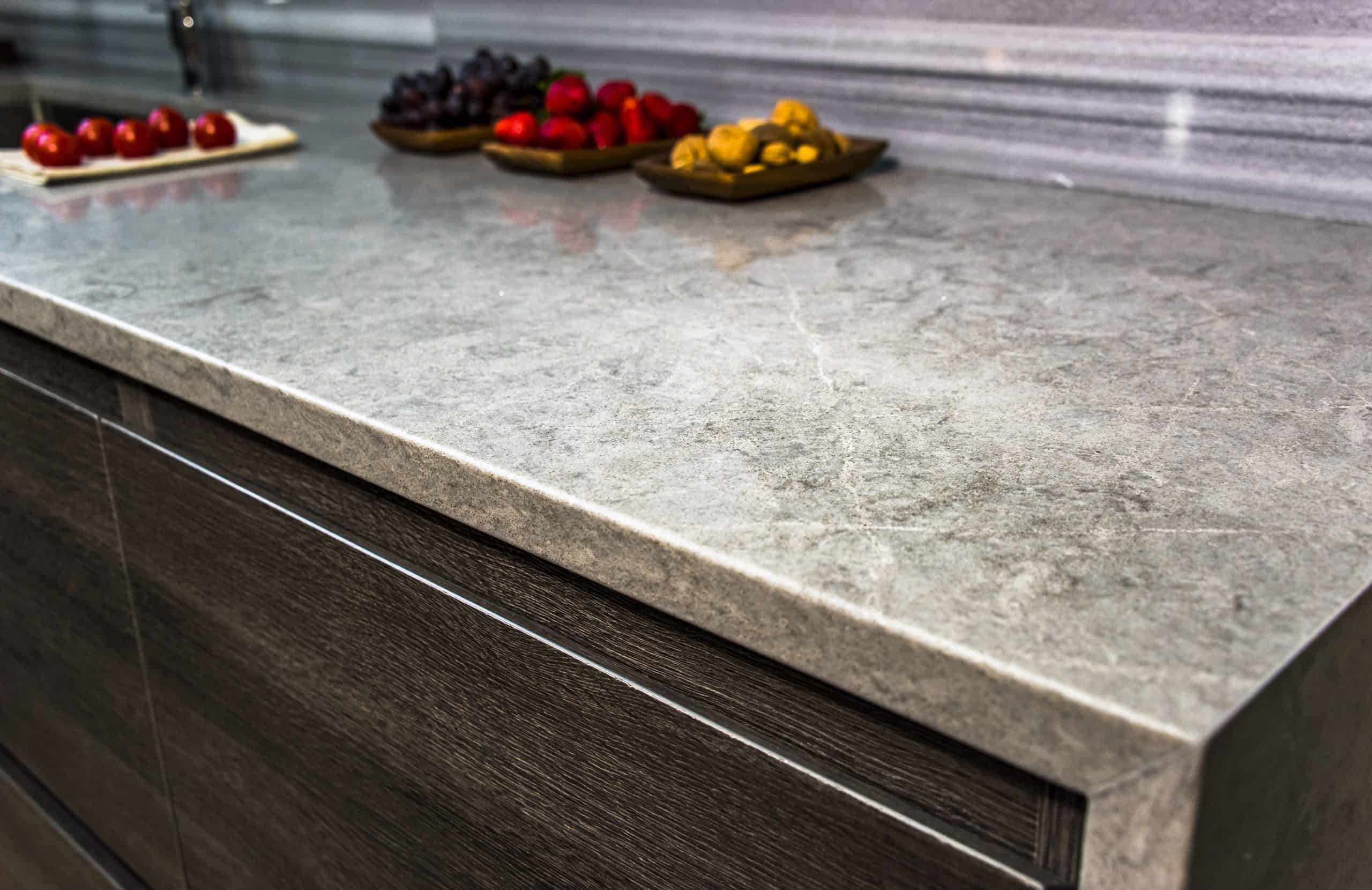
How to Identify Chips and Impact Damage on Stone Surfaces
Chips are the most straightforward type of countertop damage to identify—you’re literally looking at missing pieces of stone. Run your finger across the surface, and you’ll feel a depression where material has broken away. The edges are typically clean and sharp, showing exactly where the stone fractured.
Most chips happen in predictable places. Sink edges take the brunt of heavy pots and pans. Corners get bumped by appliances during installation or moving. Islands and peninsulas catch dropped objects that would otherwise hit the floor. In NYC apartments where space is tight, countertop edges see more action than in sprawling suburban kitchens.
The size and depth of chips vary dramatically. Small edge chips might be barely noticeable until light hits them at the right angle. Deeper chips can expose the stone’s interior, showing color variations that make the damage obvious. Large impact chips—from dropped cast iron pans or small appliances—can remove substantial chunks of material.
Here’s what property managers need to know: chips collect debris and bacteria if left untreated. They also create stress points where additional cracking can develop. A small chip today might become a larger problem if ignored, especially in high-use areas.
Professional chip repair involves cleaning the damaged area, applying color-matched epoxy or resin filler, and polishing the surface to blend seamlessly with surrounding stone. The key is matching not just color, but also the stone’s natural pattern and finish. This requires specialized materials and techniques that most DIY repair kits can’t replicate effectively.
Quality professional repairs are often stronger than the original stone and virtually invisible when complete. The investment in proper repair typically costs a fraction of sectional replacement and can be completed in hours rather than days.
Etching vs. Staining: Why the Difference Matters for Marble and Limestone
Chips are the most straightforward type of countertop damage to identify—you’re literally looking at missing pieces of stone. Run your finger across the surface, and you’ll feel a depression where material has broken away. The edges are typically clean and sharp, showing exactly where the stone fractured.
Most chips happen in predictable places. Sink edges take the brunt of heavy pots and pans. Corners get bumped by appliances during installation or moving. Islands and peninsulas catch dropped objects that would otherwise hit the floor. In NYC apartments where space is tight, countertop edges see more action than in sprawling suburban kitchens.
The size and depth of chips vary dramatically. Small edge chips might be barely noticeable until light hits them at the right angle. Deeper chips can expose the stone’s interior, showing color variations that make the damage obvious. Large impact chips—from dropped cast iron pans or small appliances—can remove substantial chunks of material.
Here’s what property managers need to know: chips collect debris and bacteria if left untreated. They also create stress points where additional cracking can develop. A small chip today might become a larger problem if ignored, especially in high-use areas.
Professional chip repair involves cleaning the damaged area, applying color-matched epoxy or resin filler, and polishing the surface to blend seamlessly with surrounding stone. The key is matching not just color, but also the stone’s natural pattern and finish. This requires specialized materials and techniques that most DIY repair kits can’t replicate effectively.
Quality professional repairs are often stronger than the original stone and virtually invisible when complete. The investment in proper repair typically costs a fraction of sectional replacement and can be completed in hours rather than days.
Professional Repair vs. DIY: Making the Right Call for Your Property
The internet is full of DIY countertop repair advice, and some of it actually works—for certain types of damage, under specific conditions, with realistic expectations about results. But there’s a significant difference between “good enough” and “professionally restored.”
Professional countertop repair makes sense when you need results that last, when the damage is in a highly visible area, or when you’re dealing with expensive stone that warrants proper treatment. DIY approaches might work for minor issues in low-visibility areas where perfect color matching isn’t critical.
The cost difference between professional repair and full replacement is substantial. Most repairs cost a fraction of replacement, can be completed quickly, and don’t require the disruption of a full countertop installation project.
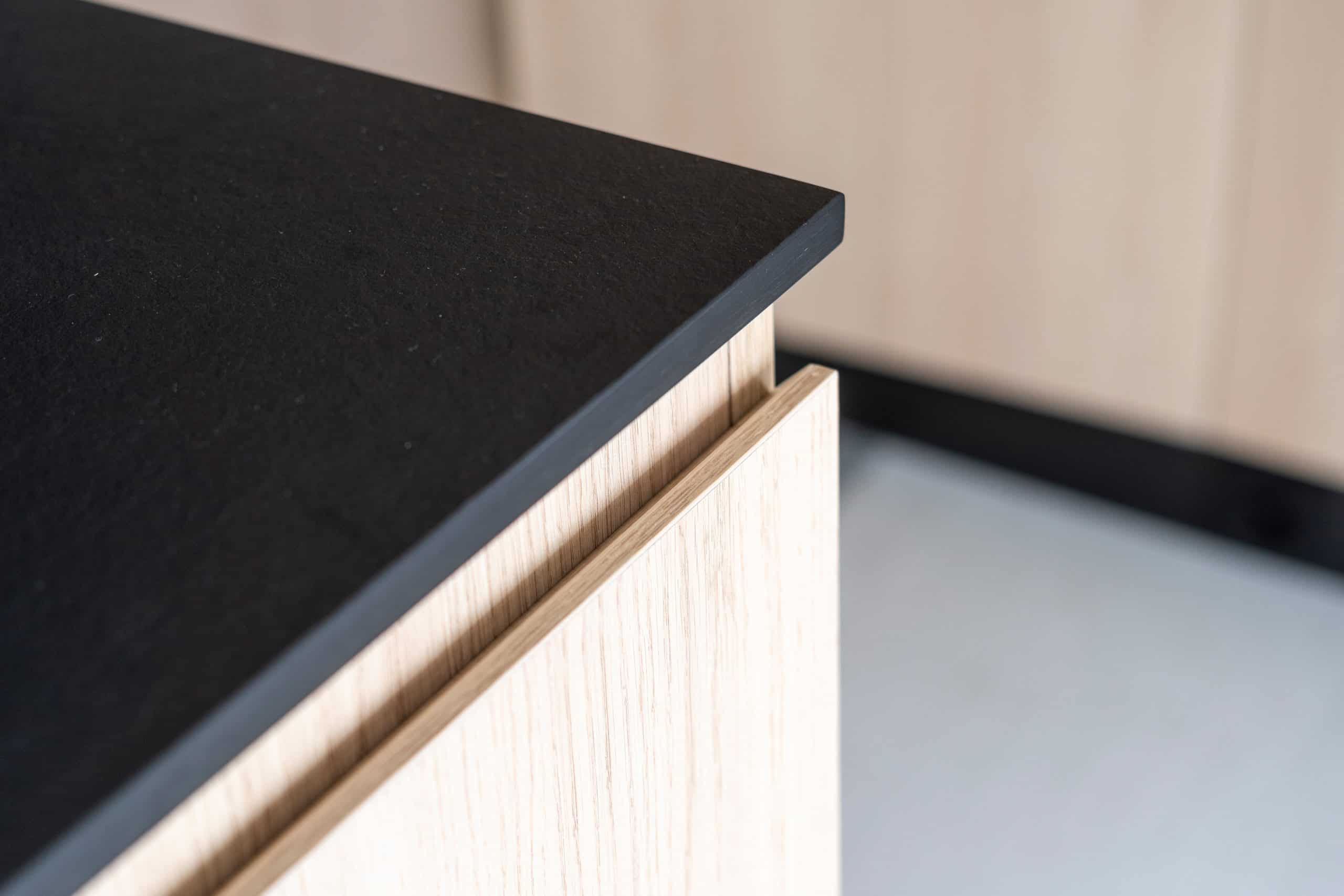
Surface Damage Worth Professional Attention
Certain types of damage respond exceptionally well to professional repair and represent excellent value for property owners and managers. These include small to medium chips, light to moderate etching, surface scratches, and most staining issues.
Edge chips around sinks are incredibly common in NYC kitchens where space constraints mean countertops see heavy use. We repair these by thoroughly cleaning the damaged area, applying color-matched filler material that bonds chemically with the existing stone, and carefully polishing to create a seamless blend with the surrounding surface. The repair is typically stronger than the original stone and invisible when complete.
Light etching from acidic spills responds beautifully to our polishing techniques. The process removes the damaged surface layer using progressively finer diamond abrasives, revealing fresh stone underneath and restoring the original finish. This works particularly well on marble and limestone, where etching is most common due to the calcium-based composition.
Surface scratches—those fine lines that catch light and make countertops look worn—can often be polished out entirely with professional equipment. The key is determining whether scratches are truly surface-level or if they’ve penetrated deeper into the stone. Our assessment eliminates guesswork and ensures the right approach.
Staining, even stubborn discoloration that’s been present for extended periods, usually responds to our extraction techniques. We have access to poultices and extraction methods that aren’t available to consumers, plus the experience to know which approach works best for specific stain and stone combinations.
The advantage of professional repair extends beyond immediate results. Properly executed repairs last for years because we use materials specifically formulated for stone restoration. These materials bond chemically with the existing stone and expand and contract at the same rate, preventing failure over time. DIY repairs often fail because consumer-grade materials don’t have these properties.
Our repairs also address underlying issues that contribute to damage. We might identify and correct sealing problems, recommend maintenance changes, or suggest protective measures that prevent recurring damage.
Deep Damage That Requires Expert Assessment
Some countertop damage goes beyond surface-level cosmetic issues and requires professional evaluation to determine the best course of action. This includes cracks of any size, deep gouges that penetrate the stone’s surface, extensive etching or staining across large areas, and any damage that might compromise structural integrity.
Cracks deserve special attention because they can propagate over time, especially if they occur at stress points in the countertop. What starts as a hairline crack near a sink cutout can expand into a major structural problem if not properly addressed. We assess whether a crack is purely cosmetic or if it indicates underlying issues with support, installation, or stone quality.
Our repair approach for cracks varies significantly based on their location, size, and cause. Surface cracks might be filled and reinforced with specialized adhesives. Deeper structural cracks might require more extensive repair or even sectional replacement. The key is having our experienced team evaluate the situation and recommend the most appropriate solution.
Deep gouges that penetrate beyond the stone’s surface finish require professional attention because they need specialized tools and techniques to restore properly. Our repair process might involve building up the damaged area with multiple layers of filler, each requiring specific curing times and polishing techniques to achieve a seamless result.
Extensive etching or staining across large areas presents unique challenges. While the damage might be repairable, achieving uniform results across broad surfaces requires professional-grade equipment and expertise. Consumer-grade products often create uneven finishes that are more noticeable than the original damage.
Heat damage—those white marks left by hot pots or pans—can range from surface-level issues to deep thermal shock that creates internal stress fractures. We assess the extent of damage and determine the appropriate repair approach.
Our evaluation process is just as important as the repair itself. We can identify underlying causes of damage—improper sealing, installation issues, ongoing moisture problems, or maintenance practices that contribute to deterioration. Addressing these root causes as part of our repair process prevents recurring problems and protects your investment long-term.
Our assessment also provides realistic expectations about results. Some damage can be repaired to like-new condition. Other issues might be improvable but not completely invisible. Having clear expectations upfront helps property owners and managers make informed decisions about repair versus replacement.
Protecting Your NYC Countertop Investment: Repair vs. Replace
Your natural stone countertops represent a significant investment in your NYC property. Whether you’re managing rental units in Astoria or maintaining your own kitchen, the right repair approach can extend their life by decades while preserving their beauty and functionality.
The decision between repair and replacement often comes down to economics, but it’s not always straightforward. Minor damage is almost always worth repairing. Extensive damage might warrant replacement. The gray area in between requires professional assessment to make the most cost-effective choice.
Our evaluation takes the guesswork out of these decisions. You’ll get clear answers about what’s possible, realistic timelines for repairs, and cost comparisons that help you choose the best path forward. Most importantly, you’ll have confidence that the work is done right the first time, protecting your investment for years to come. When you’re ready for that assessment, we can help you determine the best solution for your specific situation and restore your countertops to their original beauty.