Summary:
By September, your marble floors have already been through a lot. Summer foot traffic, humidity, and whatever got tracked in from the street have all left their mark — even if the surface still looks passable at a glance. And in another six weeks, New York County’s salt season starts. Once building staff and residents begin tracking road salt and ice-melt chemicals indoors, unsealed marble absorbs it fast. The damage compounds quietly, and by spring, what could have been a simple restoration becomes a much bigger conversation. This checklist is designed to help you get ahead of that — whether you’re maintaining a prewar apartment foyer on the Upper West Side or managing the lobby of a Midtown commercial building.
Why Fall Is the Right Time for Natural Stone Floor Care in New York County
Most people think about marble maintenance reactively — when it looks bad enough that something clearly needs to happen. The problem with that approach in New York County is that by the time dullness, etching, or staining becomes obvious, the surface has usually been deteriorating for months.
Fall creates a rare convergence of good reasons to act. Summer wear is fully visible now. Pre-holiday prep is coming up fast for residential clients. And for commercial property managers, Q3 and Q4 are exactly when building assessments happen, lease renewals get negotiated, and boards start asking questions about lobby conditions. Waiting until January to address marble that’s been absorbing salt since November is a much harder problem to fix.
What Summer Actually Does to Manhattan Marble Floors
New York summers are hard on stone in ways that aren’t always obvious until fall. High humidity — consistently in the 65–70% range through July and August — affects how stone sealers perform and accelerates wear on surfaces that haven’t been properly maintained. Add in increased foot traffic from summer entertaining, open windows, and the general chaos of city life, and you’ve got a surface that’s been working harder than usual for three months straight.
The most common result is a sealant that’s quietly failing. You can’t always see it happening. The floor might still look reasonably clean, but the protective layer that keeps moisture, spills, and acidic substances from penetrating the stone has degraded. Once that happens, everything that touches the floor — a splash of coffee, a drip from an umbrella, the residue from a mop that isn’t pH-neutral — starts doing damage at the surface level.
Etching is the most misunderstood outcome of this process. It looks like a dull spot or a faint white mark, and people often assume it’s a stain they can clean off. It isn’t. Etching is chemical damage to the stone’s crystal structure, caused by contact with acidic substances — vinegar, lemon juice, certain cleaning products, and yes, even some “natural” cleaners that people assume are safe. Once etching has occurred, no amount of mopping will reverse it. That’s a job for professional honing and a href=”https://dsr-corp.com/services/marble-polishing/”>marble polishing.
The same goes for surface scratches that accumulate over a summer of heavy use. A scratch that looks cosmetic might actually indicate that the sealant has failed and the stone itself is being abraded. Fall is when you can see all of this clearly, before the winter damage cycle adds another layer on top of it.
The Pre-Winter Sealing Window New York County Property Owners Shouldn't Miss
The NYC Department of Sanitation requires sidewalk salting during winter weather events. That’s a fact of life in New York County, and it means that from roughly November through March, road salt, sand, and ice-melt chemicals are being tracked into every building — through lobbies, elevator banks, apartment foyers, and commercial corridors. For marble that hasn’t been properly sealed, that’s six months of slow, grinding damage.
The good news is that professionally sealed marble is significantly more resistant to this kind of wear. A penetrating impregnating sealer creates a protective barrier that keeps moisture and chemical residue from soaking into the stone. But sealers don’t last forever — in high-use environments like building lobbies, resealing every six to twelve months is standard practice. For residential surfaces with lighter traffic, annually is usually sufficient.
The September–October window is when that resealing appointment actually matters. Get it done before the salt season starts and you’re protected through spring. Wait until January and you’re already behind — you’ll be restoring damage that could have been prevented.
For luxury co-op and condo buildings on Park Avenue, Fifth Avenue, or Central Park West, this isn’t just a maintenance question — it’s a board-level one. Many New York County buildings conduct informal “white glove” inspections in the fall, and lobby marble that looks worn or dull becomes a conversation at the next board meeting. Getting ahead of that is a lot easier than explaining why it wasn’t addressed.
Stone Cleaning and Restoration: What Your Checklist Should Actually Cover
A useful fall checklist isn’t a generic reminder to “clean your floors.” It’s a surface-by-surface, room-by-room assessment that tells you what you’re actually dealing with — and what the right response is. Some things you can address yourself. Others need a professional. Knowing the difference saves you time, money, and the frustration of making the problem worse with the wrong approach.
The checklist below is built around the surfaces we see most often in New York County properties: marble floors, terrazzo common areas, tile, and stone countertops. Work through it systematically, and by the end you’ll have a clear picture of where your property stands heading into winter.
How to Assess Marble Floors, Lobbies, and Countertops Room by Room
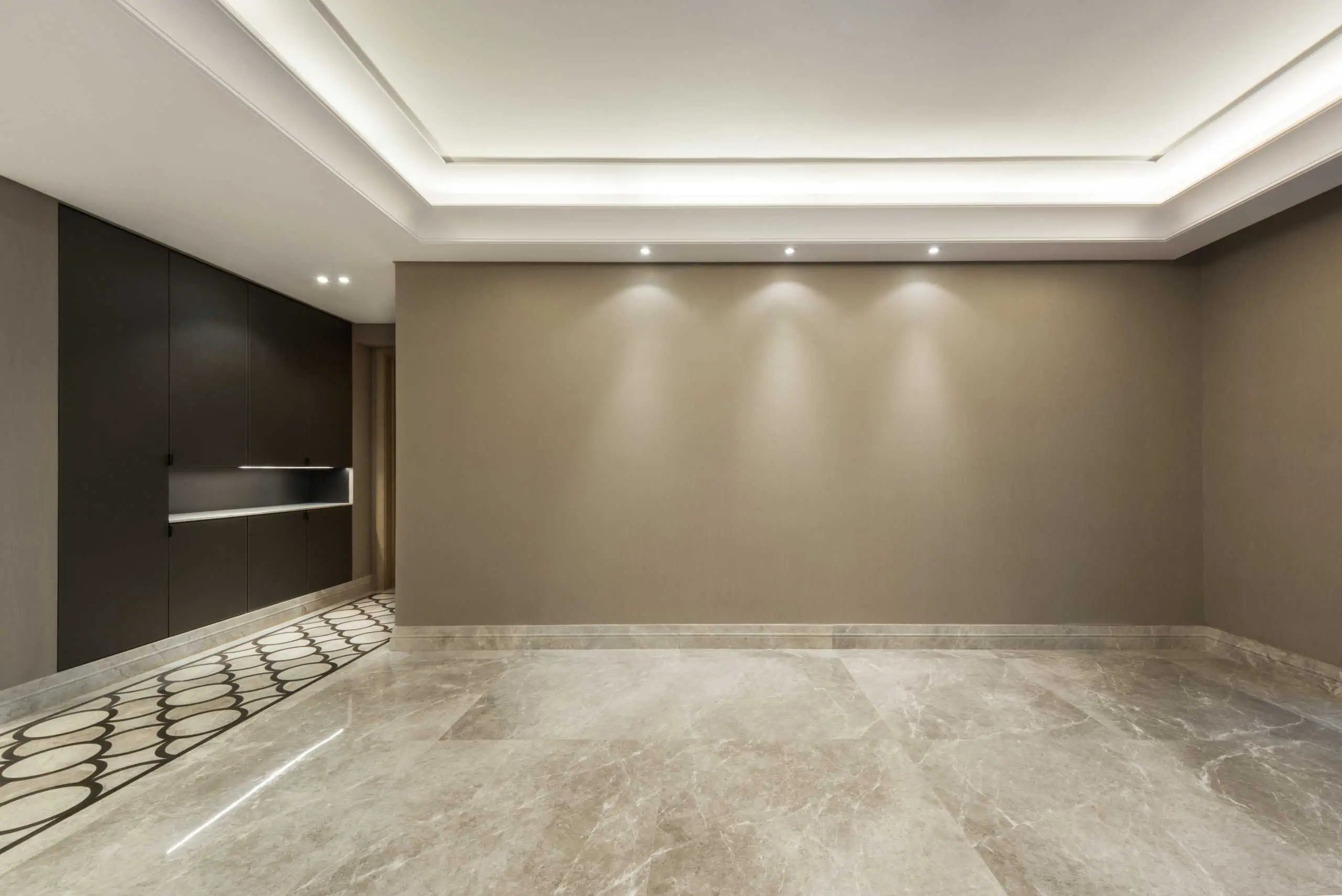
Start at the entry point — the foyer in a residence, the lobby in a commercial building. This is where salt, sand, and outdoor debris make first contact with your stone. Look for dull patches near the entrance, discoloration along foot traffic paths, and any surface scratches that weren’t there last spring. If the stone looks clean but still dull after mopping, that’s almost always a sign of either etching or a failed sealant — not a cleaning problem.
Move to elevator landings and common corridors if you’re managing a multi-unit building. These surfaces take constant abuse and are often overlooked until they’re visibly deteriorating. Grout lines are worth close attention here — grout that looks gray or dark is usually embedded with soil and residue that surface cleaning won’t remove. In some cases, grout needs professional restoration or replacement, not just a scrub.
In kitchens and bathrooms, check countertops and floor surfaces for etching around the sink, near the stove, and anywhere food prep happens. Marble countertops are particularly vulnerable to acidic spills — citrus, vinegar, tomato — and the damage often shows up as a ring or dull patch that doesn’t respond to cleaning. If you find this, stop using any cleaning products on that surface until you know what’s safe. A pH-neutral cleaner is the only thing that should touch marble. Anything acidic, bleach-based, or abrasive will make the etching worse.
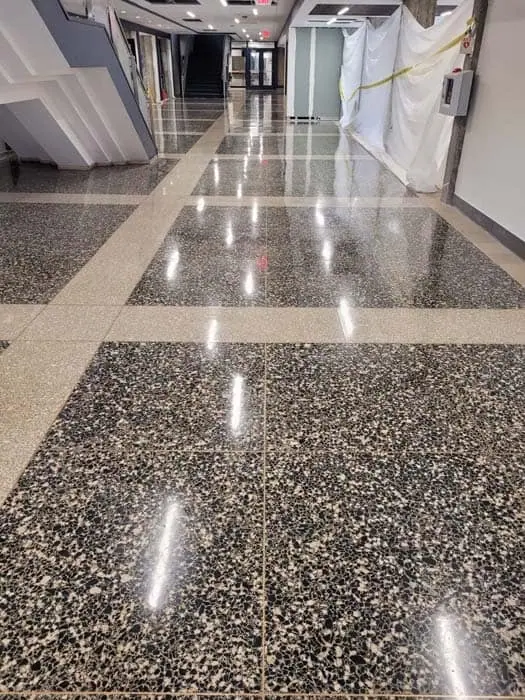
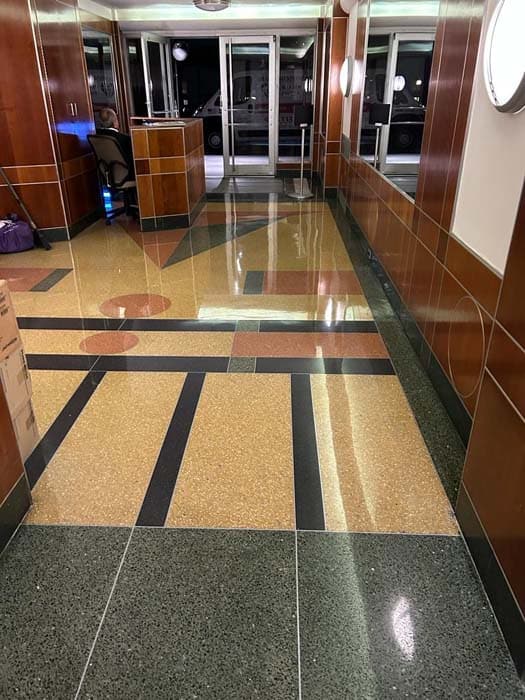
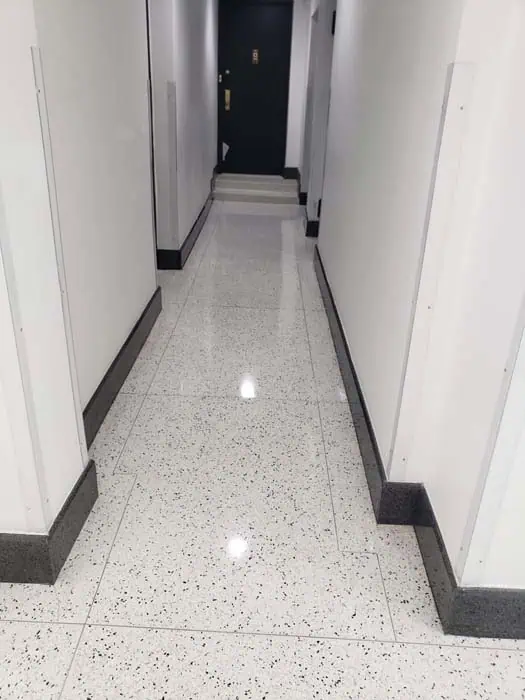
For terrazzo floors — common in prewar New York County buildings and many commercial lobbies — look for surface scratches, loss of sheen, and any areas where the aggregate is becoming exposed or pitted. Terrazzo is durable, but it requires the same sealing attention as marble, and a surface that hasn’t been professionally polished in several years will show it.
One thing worth noting: vacuuming marble floors isn’t recommended. Vacuum heads carry residue from other surfaces and can scratch the stone. A dry microfiber mop is the right tool for daily maintenance between professional visits.
Floor Restoration Services: When the Checklist Tells You It's Time to Call a Professional
The checklist is designed to help you see clearly — and sometimes what it shows you is that the problem is beyond what maintenance alone can address. That’s not a bad outcome. Catching restorable damage in the fall is a very different situation from discovering it in March after a full winter of salt exposure.
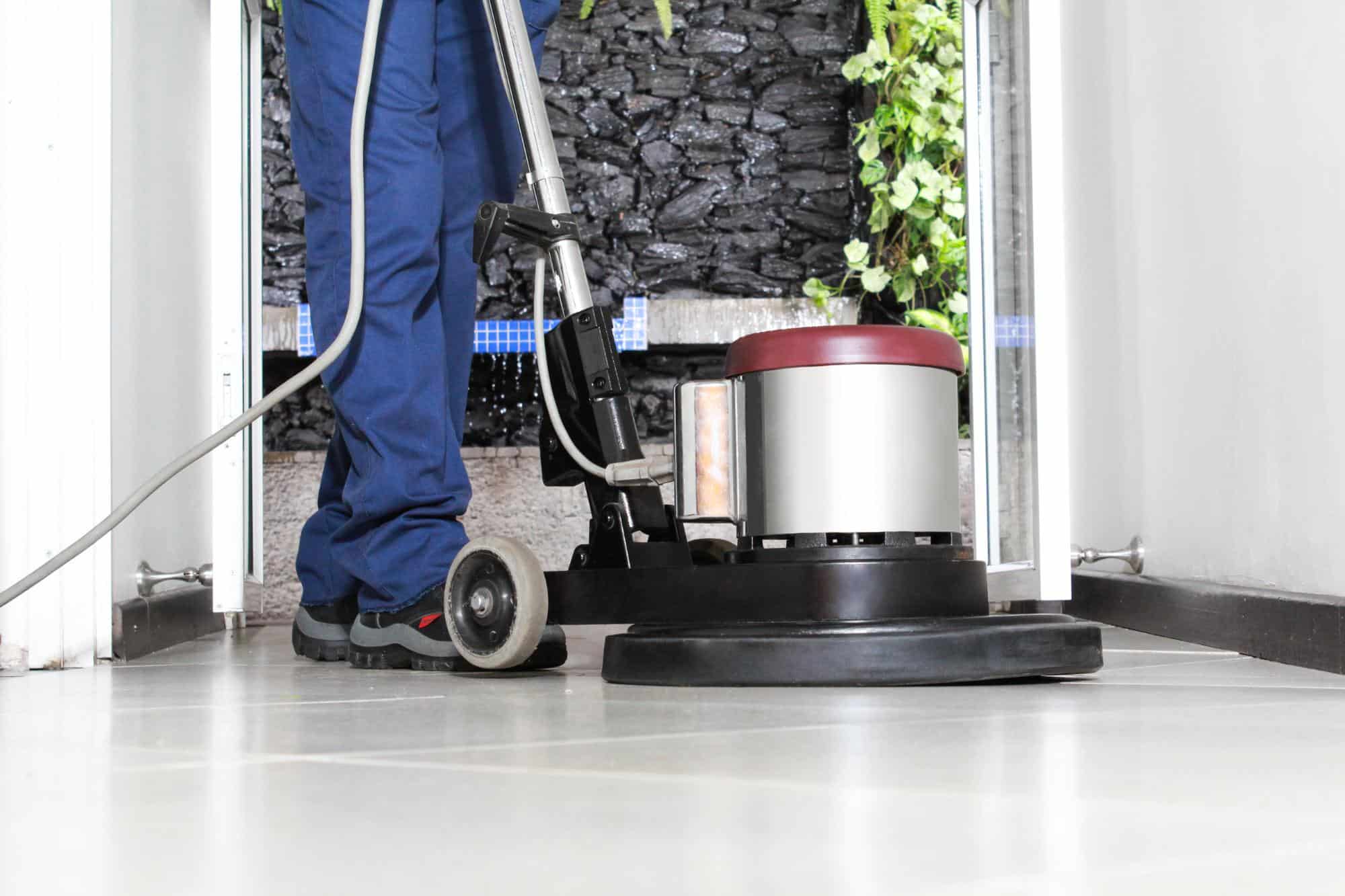
Here’s the honest breakdown of what falls into each category. If your marble has surface etching, dull spots, minor scratches, or a sealant that’s visibly failing, professional restoration can address all of it. The process typically involves diamond abrasive polishing — not a spray-on compound or a temporary shine treatment, but a mechanical restoration of the stone’s actual surface using diamond-grit pads that work from coarser to finer grits until the original finish is restored. It’s the same technology used in factory finishing, and the results are genuinely different from what a DIY kit produces.
If your grout is deteriorating, your caulking has failed around wet areas, or you’re seeing cracks or chips in the stone itself, those are also restorable in most cases — not replacement-level problems. Countertop chips and cracks can typically be repaired in a few hours to a single day. Floor honing and polishing for a standard residential space is usually completed in one visit, with surfaces ready for use within hours.
The cost comparison is worth understanding clearly. New marble flooring installation can run $1,500 to $4,460 for a 500-square-foot room. Professional restoration delivers equivalent visual results for significantly less — typically 60 to 80 percent less than replacement. For building managers trying to justify a maintenance budget to a board, that number matters.
We’ve seen repeatedly that clients who come to us after getting quotes elsewhere are sometimes surprised to hear that their situation is less serious than they were told. Not every dull floor needs full restoration. Not every scratch is structural. An honest assessment — one that tells you what you actually need — is the starting point for any work we do.
Getting Your New York County Property's Marble Ready Before Winter Arrives
The window between now and the start of salt season is short, and it’s the most useful time of year to act. A proper fall assessment tells you exactly where your marble, terrazzo, and stone surfaces stand — what you can manage yourself, what needs professional attention, and what can wait versus what genuinely can’t.
For New York County properties specifically, the stakes are higher than most markets. High foot traffic, winter salt exposure, and the expectations of building boards and residents all converge in a way that makes fall maintenance less optional and more essential.
If your checklist has surfaced anything that looks like it needs a professional eye, Diamond Stone Restorations Corp offers free quotes with no hidden fees — and an honest assessment of what your surfaces actually need, not what generates the largest scope of work. Reach out and we’ll take it from there.