
Summary:
You’ve noticed your travertine floor looks dull, or there’s a stain that won’t budge no matter what you use. Maybe someone already sealed it, but it still seems to pick up every spill. You’re not sure if you need a cleaning, a reseal, or something more involved — and every company you call seems to recommend the most expensive option.
That confusion is exactly what we’re here to fix. By the end of this guide, you’ll know which of the three service levels applies to your situation, why the sequence matters, and what to watch out for before you hire anyone.
To protect stone, tile and grout from stains and moisture, see our tile and grout sealing service.
Understanding the 3 Travertine Floor Restoration Service Levels
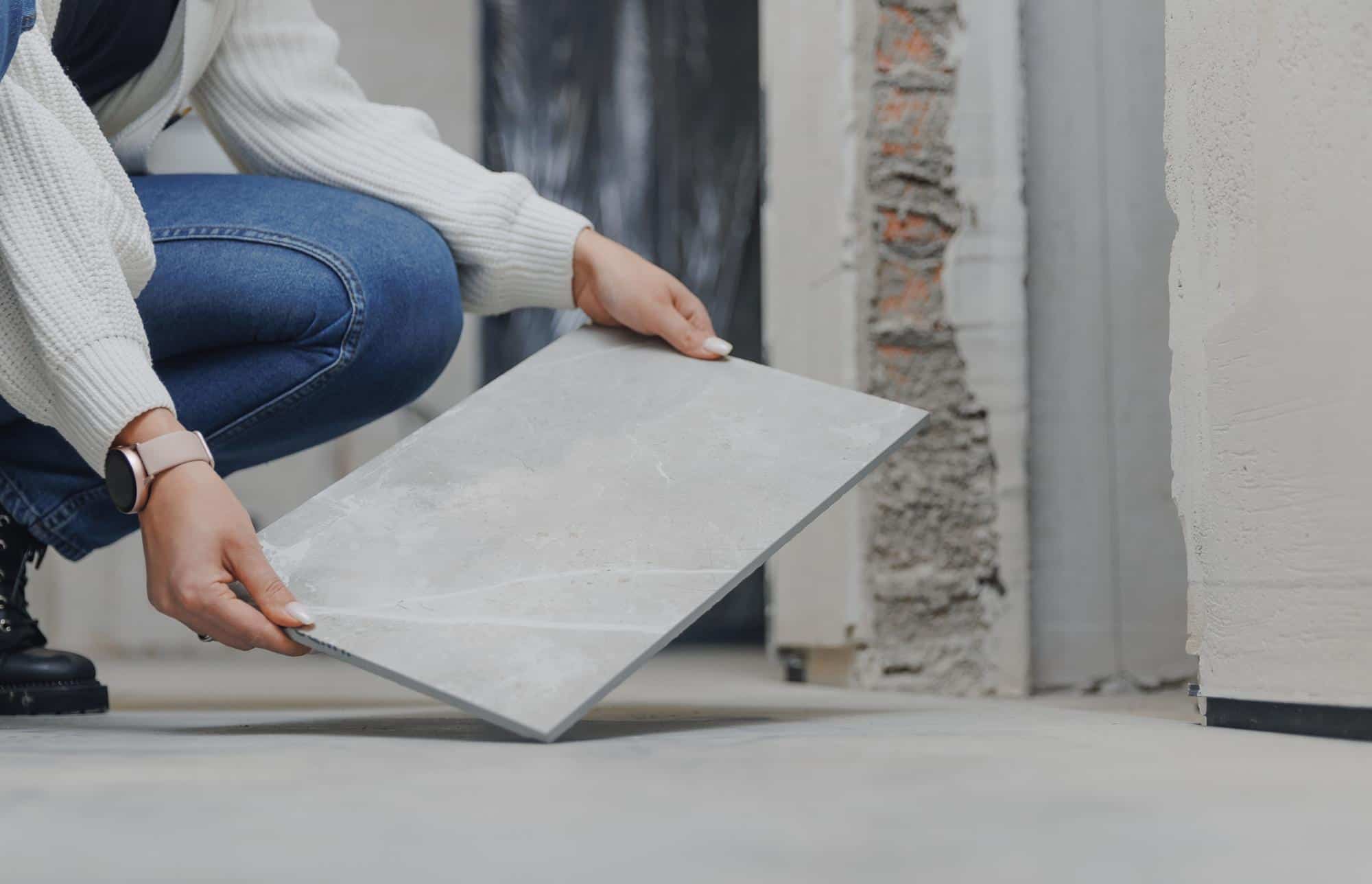
Travertine isn’t like ceramic or porcelain. It’s a calcium carbonate-based stone — the same chemical family as marble and limestone — and it’s highly porous by nature. That porosity is what makes it beautiful, and it’s also what makes it vulnerable. Spills penetrate quickly. Grit from New York County sidewalks scratches the surface over time. And the wrong cleaner can chemically damage it in ways that no amount of scrubbing will fix.
Because of all that, there isn’t one universal travertine service. There are three distinct levels, and which one your floor needs depends entirely on its current condition — not on what sounds most thorough or what’s most commonly advertised.

Stone Floor Sealing: Why Cleaning First Isn't Optional
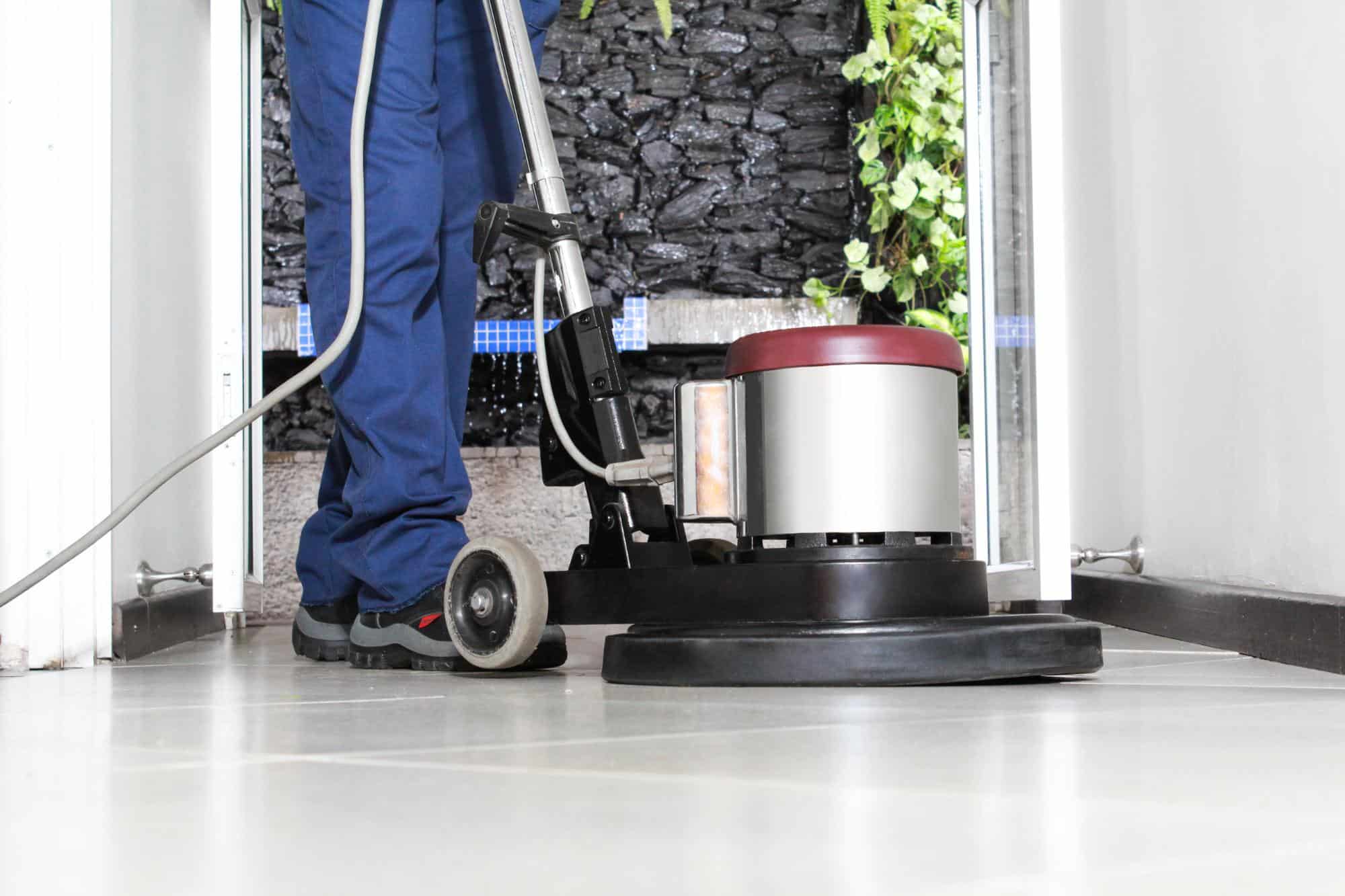
Level 1 is a professional deep clean. This is the right choice when your travertine is in generally good condition — the sealer is intact, there’s no significant staining or surface damage, and the floor just needs a thorough, professional-grade cleaning that your mop and bucket can’t replicate. Professional cleaning uses pH-neutral, stone-specific solutions and equipment designed for porous natural stone. Store-bought cleaners, soap-based products, and anything acidic — including vinegar, which a lot of people reach for — can dull the surface or cause etching over time.
Level 2 is cleaning followed by sealing. This is the most commonly needed service and the one most people are thinking of when they search for travertine cleaning and sealing. If your sealer has worn down, if the stone is picking up stains more easily than it used to, or if it’s been a few years since any professional attention, this is likely where you land. The cleaning step isn’t just a formality here — it’s technically essential. A professional-grade penetrating sealer can only bond properly with clean stone. If the pores are occupied by dirt, mineral deposits, or old sealer residue, the new sealer can’t penetrate. It sits on the surface, provides almost no protection, and wears off quickly. This is the most common reason people feel like their sealing service “didn’t do anything.”
Level 3 is full restoration. This goes beyond cleaning and sealing to address actual surface damage — etching, deep stains, worn finish, open voids, or significant scratches. The process typically involves deep cleaning, repair work, mechanical honing or polishing with diamond abrasive equipment, and then sealing as a final protective step. If your floor looks dull even after cleaning, has rough or chalky patches, or has visible pitting and damage, you’re likely looking at Level 3.
The key takeaway: these aren’t interchangeable options you choose based on budget. They’re responses to different surface conditions. Applying a sealer over dirty or damaged stone doesn’t protect it — it locks the problem in.
Professional Marble Cleaning vs. Travertine: Why the Difference Matters
Travertine and marble are closely related — both are calcium carbonate-based stones, and their cleaning and maintenance requirements overlap significantly. But they’re not identical, and treating them as if they are is one of the more common mistakes in this industry.
The most important distinction is travertine’s characteristic voids. Travertine naturally forms with small holes and pits as part of its geological structure. Some installations leave these open (unfilled travertine); others fill them with grout or epoxy (filled travertine). If your travertine is unfilled, those voids trap dirt, moisture, and organic material in ways that a smooth marble surface doesn’t. Cleaning techniques need to account for that, and sealing needs to be applied with that porosity in mind.
Etching is another area where the chemistry matters. When acidic substances — wine, citrus, certain cleaning products — contact either stone, they chemically dissolve the calcium carbonate surface, leaving a dull, rough patch. This is not a stain. It cannot be cleaned away, and sealing over it won’t help. The only fix is mechanical: honing the surface smooth, then polishing if a gloss finish is desired. Many people spend months trying to clean what is actually an etch, not realizing that no cleaner will address it.
This is why a proper assessment before any work begins isn’t just a nice-to-have — it’s the difference between solving the problem and compounding it. We evaluate the stone type, its condition, and what’s actually causing the issue before recommending any service level. That assessment drives everything that follows.
Tile Cleaning and Sealing in New York County: What Manhattan Buildings Actually Deal With
New York County’s building stock creates a travertine maintenance environment unlike most other markets. Pre-war co-ops on Park Avenue and Central Park West have original travertine lobby floors that are 80 to 100 years old. Post-war residential towers throughout the Upper East Side and Upper West Side commonly used travertine in bathrooms and common corridors. Newer luxury developments from Tribeca to Hudson Yards specify it for kitchens, entryways, and master baths.
Each of those contexts comes with its own maintenance challenges — and they’re compounded by conditions that are specific to New York County in ways that generic stone care content rarely addresses.
How New York County's Winter Salt Exposure Damages Travertine Floors
From November through March, road salt gets tracked into New York County buildings constantly. Sodium chloride and calcium chloride — the primary components of sidewalk and road salt — are chemically reactive with calcium carbonate. That means every winter, travertine lobby floors, elevator cabs, and entryways in New York County buildings are being exposed to one of the most corrosive substances for this type of stone.
The damage shows up as surface etching, accelerated wear along high-traffic paths, and a gradual loss of finish that looks like general dullness but is actually cumulative acid damage. By spring, many New York County travertine floors that looked fine in October have visible wear patterns that weren’t there before the cold weather hit.
This is a cycle that repeats every year, and it’s one reason why travertine in New York County buildings often needs more frequent professional attention than the same stone in a lower-traffic or milder-climate environment. A properly applied penetrating sealer slows this damage significantly — but only if the surface is clean and in good condition when it goes on. Sealing over salt-damaged or etched stone doesn’t reverse the damage; it just seals it in place.
For building managers and co-op boards overseeing high-traffic lobbies and common areas in New York County, the practical answer is a scheduled maintenance approach: professional cleaning and condition assessment each spring, with sealing and any necessary restoration work done before the next winter season begins. Catching surface damage early — before it progresses to the point of requiring full restoration — is consistently more cost-effective than waiting.
Hard Water, High Humidity, and the Other New York County-Specific Travertine Problems
Salt damage gets most of the attention, but it’s not the only condition New York County travertine owners deal with. Hard water spotting is a persistent issue in New York County bathrooms and kitchens. The mineral deposits left by New York County’s tap water accumulate on travertine surfaces over time, particularly around sinks, faucets, and shower walls. Left untreated, these deposits etch into the stone surface and become increasingly difficult to remove without professional intervention.
Humidity is another factor that affects older New York County buildings disproportionately. Many pre-war buildings have plumbing systems that create elevated moisture conditions in bathrooms and basement-level spaces. Unsealed or poorly sealed travertine in these environments is vulnerable to moisture infiltration, and the natural voids in unfilled travertine can harbor mold and mildew in ways that aren’t always visible on the surface.
Then there’s the everyday grit factor. New York County sidewalks deposit abrasive particulate that gets tracked in constantly, and on travertine floors, that grit acts like sandpaper underfoot. Over time, it creates micro-scratches that dull the surface finish even on floors that are technically sealed and clean. This is why travertine in New York County residential buildings often looks worn before its time — it’s not neglect, it’s physics.
The restoration-over-replacement argument is particularly relevant in this context. In a market where original pre-war travertine carries real aesthetic and historical value, and where replacement costs are compounded by New York County’s labor and logistics realities, professional restoration consistently delivers comparable results at a fraction of the cost. We’ve seen floors that looked like they needed full replacement come back beautifully with the right level of treatment — and that’s a meaningful difference for property owners who are weighing their options.
Which Travertine Service Level Do You Actually Need?
Here’s the short version: if your floor is clean and the sealer is holding, you may just need a professional deep clean. If the sealer has worn down and staining is increasing, cleaning and resealing is the right move — but the cleaning has to come first, or the sealing won’t work. If there’s visible etching, deep staining, surface damage, or significant wear, full restoration is the appropriate level of treatment.
Getting this right before you call anyone saves you money and gets you a better result. Hiring a cleaning service for a floor that needs restoration, or paying for full restoration when a reseal would have done the job, are both outcomes worth avoiding.
If you’re not sure where your travertine falls, that’s exactly what a professional assessment is for. We offer free estimates and work around your schedule — reach out by phone at 929-335-0190, Monday through Friday, 9am to 7pm, or request a callback through our website.