Summary:
You mop the floor, you clean it regularly, and it still looks flat and lifeless. Or maybe you had someone come in and “polish” it, and afterward the cracks were still there — exactly where they were before. That’s one of the most common frustrations we hear from property owners and building managers across New York County.
Terrazzo floor polish is a real and useful service. But it’s not a catch-all solution, and a lot of disappointment comes from not knowing the difference between what polish can do and what actually requires restoration. By the end of this page, you’ll know exactly where that line is.
What Terrazzo Floor Polish Actually Does
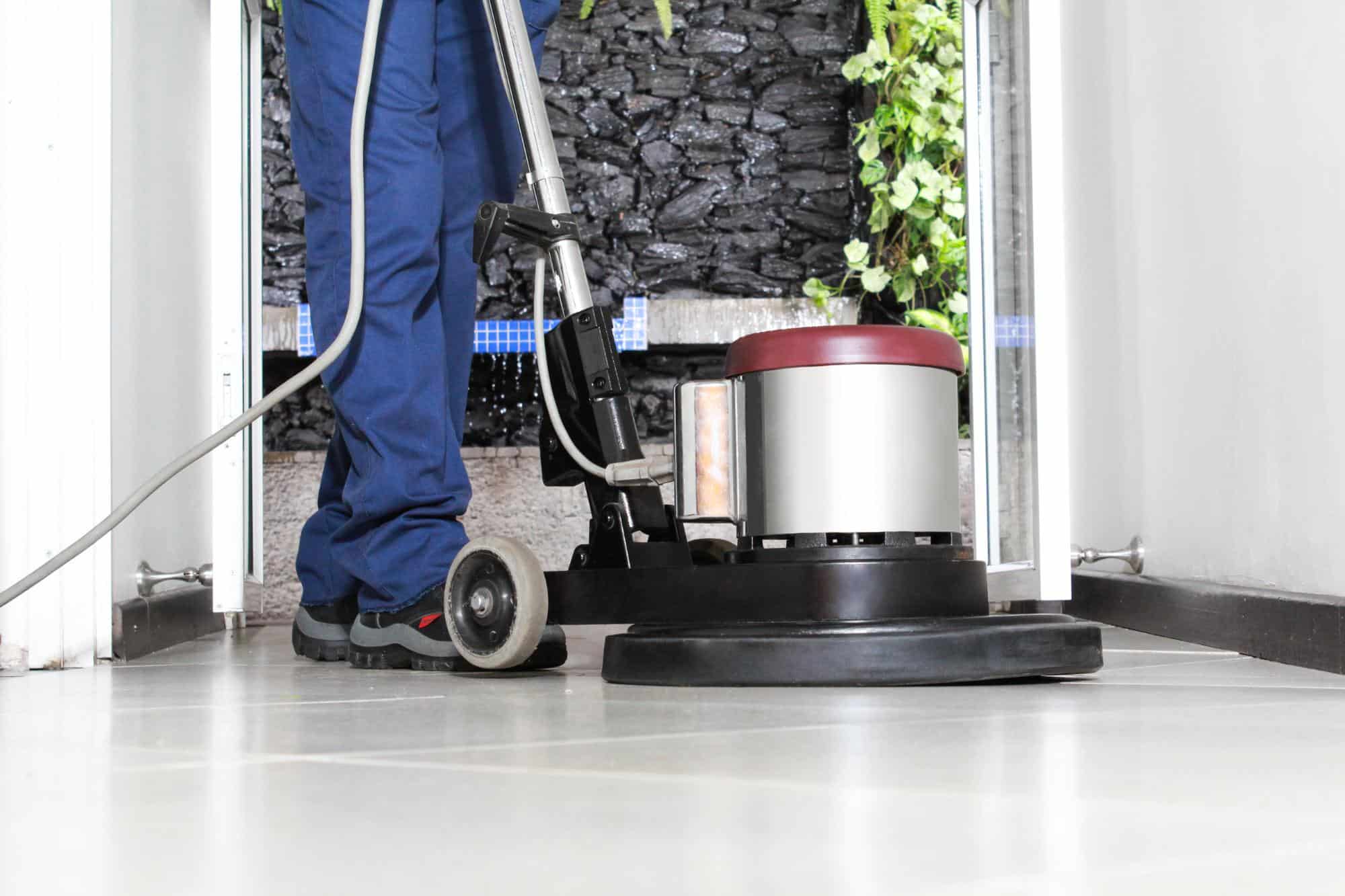
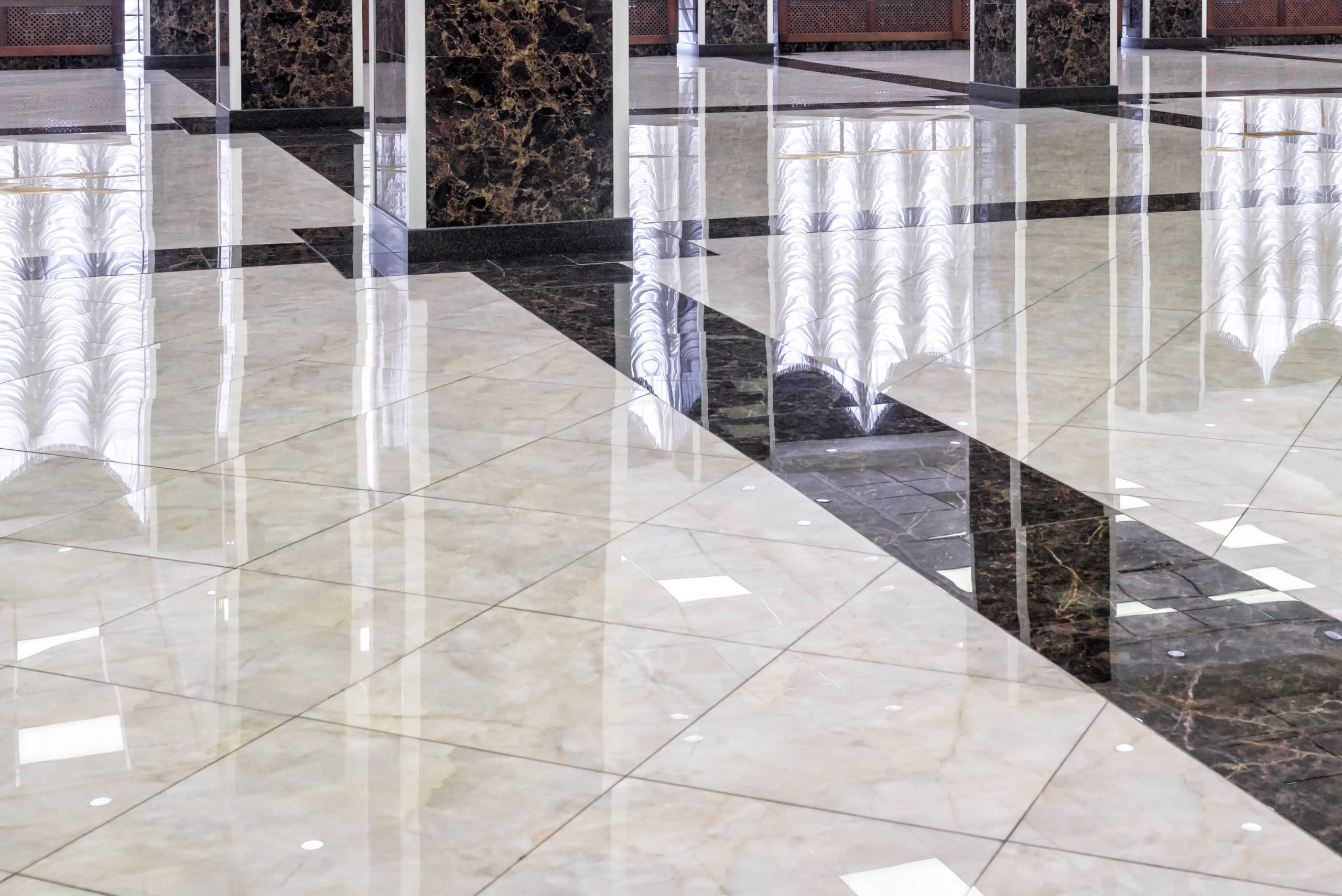
Polishing works at the surface level. It uses progressively finer abrasives — typically diamond-impregnated pads — to smooth out microscopic scratches, remove light surface dullness, and bring back the natural sheen of the stone aggregate in your floor. Done right, the result is a floor that reflects light cleanly and feels smooth underfoot.
What it does not do is alter the structure of the floor beneath that surface. Polishing cannot fill a crack, replace missing aggregate, lift a deep stain that has soaked into the binder, or level an uneven surface. If those problems exist, they’ll still be there after polishing — because the polish was never designed to address them.
How the Polishing Process Works on Terrazzo
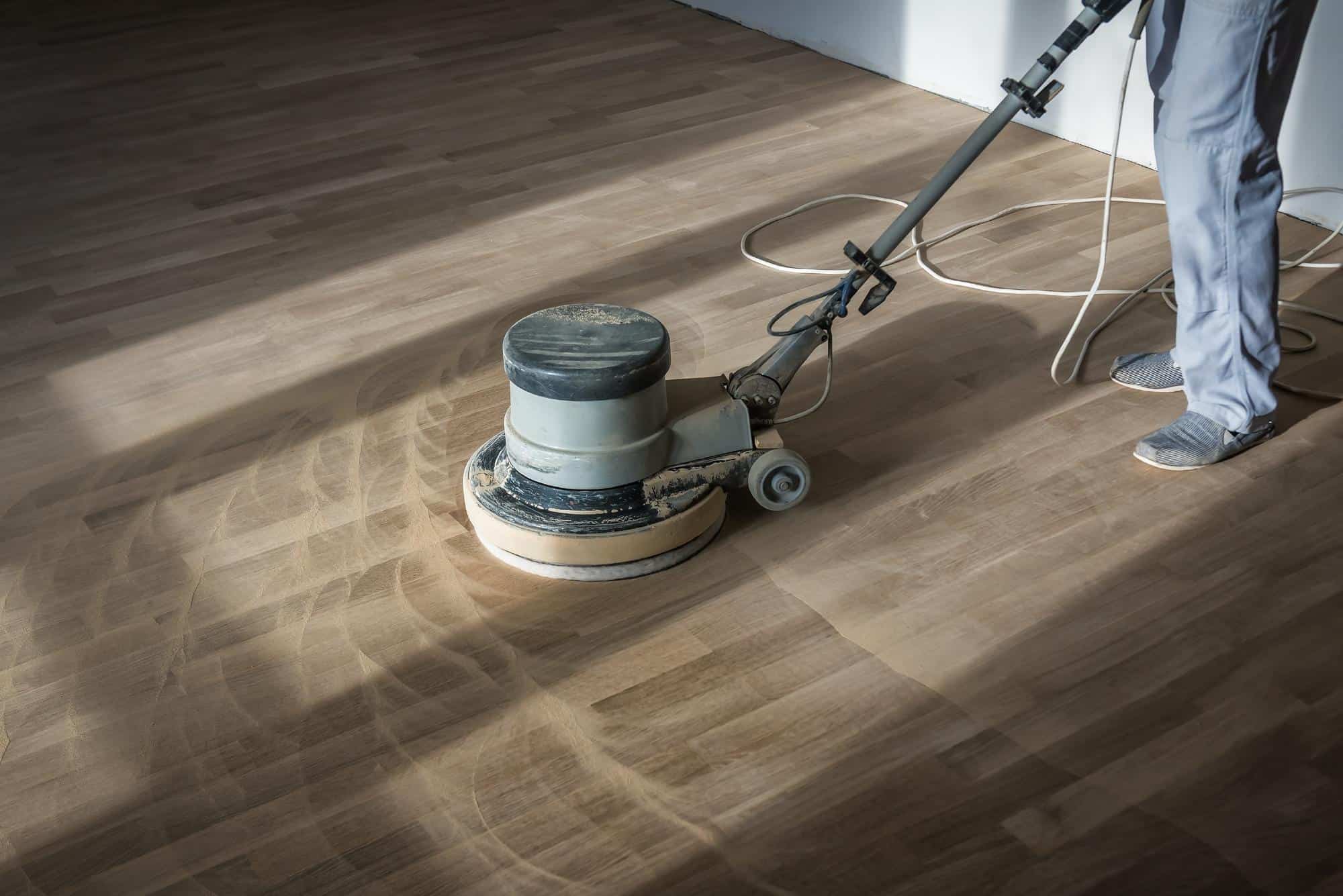
Terrazzo floors are made up of 50 to 70 percent aggregate — marble chips, granite, glass, or other hard materials — held together by a cement or epoxy binder. Because the aggregate itself is extremely hard, the surface can be ground and polished to a high shine using diamond abrasives, much the same way a lapidary polishes a gemstone.
The process typically starts with a coarser grit to remove surface scratches and light etching, then works progressively through finer grits until the desired finish is achieved. Depending on the condition of the floor and the finish you want — a satin matte or a high-gloss mirror shine — the number of passes varies. A penetrating sealer is often applied at the end to protect the finish from staining and daily wear.
This is meaningfully different from applying a topical floor finish or wax. Wax sits on top of the stone and will yellow, peel, and require stripping over time. True polishing works the stone itself, which is why a properly polished terrazzo floor in a residential setting can hold its finish for eight to ten years before needing attention again. In high-traffic commercial settings — lobbies, hallways, retail spaces — that timeline shortens, but the principle is the same: you’re restoring the stone, not coating it.
There’s a method called crystallization or vitrification that some companies use as an alternative to diamond polishing. It uses an acid-based product to create a surface shine. Most stone restoration professionals consider it an inferior approach — it doesn’t interact with the stone the same way, and the results tend to be less predictable and less durable. If you’re comparing quotes, it’s worth asking which method a company uses.
Natural Stone Floor Care: What Polish Can and Can't Fix
This is where the expectation gap lives, and it’s worth being direct about it.
Polish can fix: dullness, light surface scratches, minor scuff marks, and a loss of sheen from everyday foot traffic. If your terrazzo floor looks flat and tired but is structurally intact, polishing is likely the right call.
Polish cannot fix: cracks, chips, holes where aggregate has come loose, deep stains that have penetrated the binder, surface unevenness, or any structural damage to the floor itself. These issues require repair work — filling cracks with color-matched material, hand-chiseling damaged areas and re-packing them with matching aggregate and binder, or diamond grinding to level the surface — before polishing is even on the table. Polishing comes after those steps, not instead of them.
This matters because the two services are often conflated — by homeowners, by building managers, and honestly by some of the companies offering them. When someone says “I had it polished and the cracks are still there,” what usually happened is that the scope of work was polishing only, and the underlying damage was never part of the conversation. That’s not always the provider’s fault, but it’s a preventable disappointment when the assessment is done properly upfront.
In Manhattan’s pre-war building stock especially, this situation comes up constantly. A lobby floor that’s been in service since the 1940s may look like it just needs a shine — but underneath that dullness, there are often hairline cracks from decades of thermal cycling, chips from heavy foot traffic, and staining from years of de-icing salt tracked in from the sidewalk every winter. A good assessment looks at all of it before a single machine touches the floor.
If your floor falls into this category, the next step isn’t polishing — it’s a full terrazzo floor restoration, which we cover in detail on our Terrazzo Floor Restoration & Repair page.
How to Polish Terrazzo — and When to Call a Professional
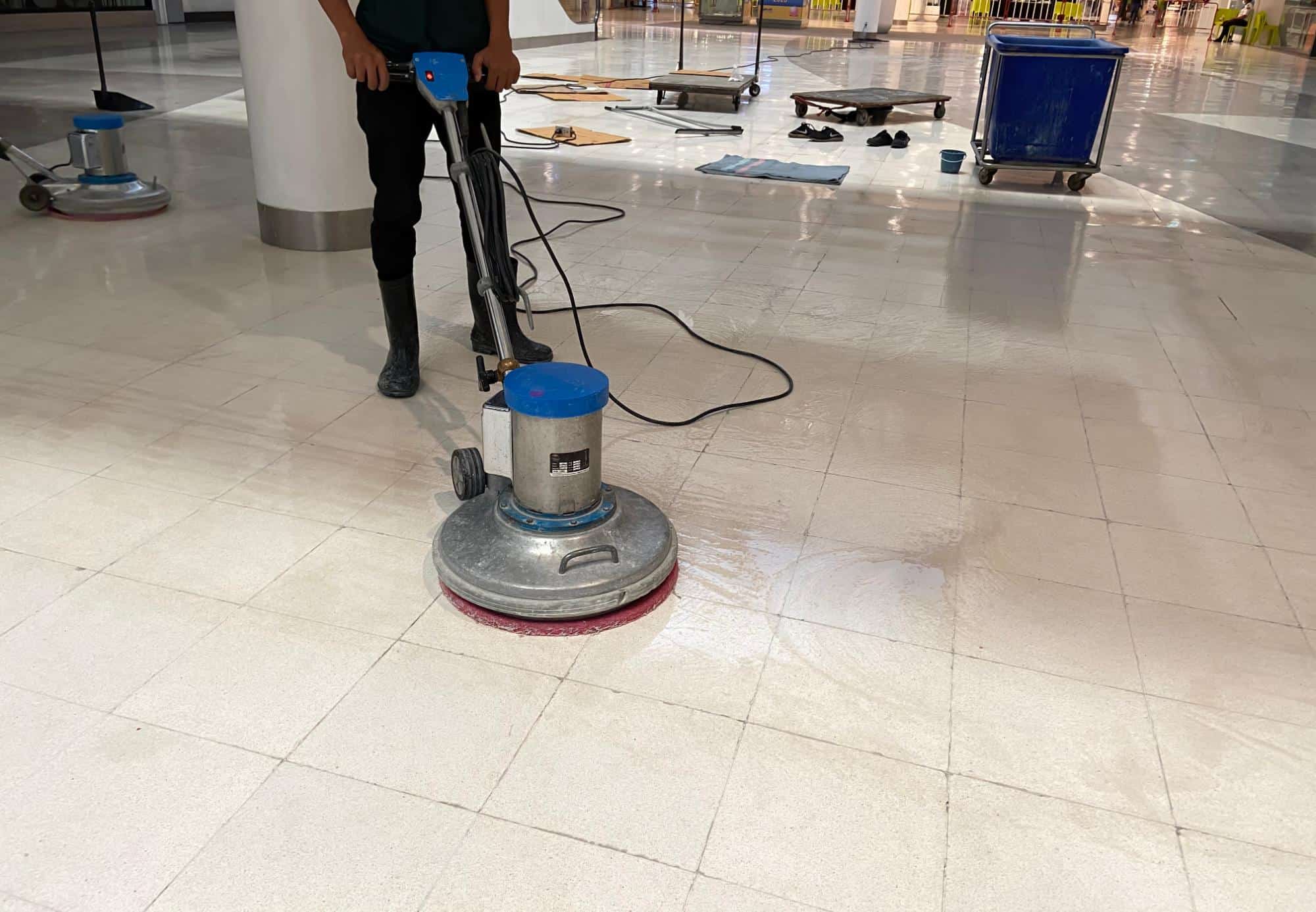
Consumer-grade terrazzo polishing kits exist, and some property owners try them. The results are usually underwhelming. The diamond pads available in hardware stores don’t replicate the progressive grit sequence used by professional equipment, and without the right planetary grinder — a machine that applies consistent, even pressure across the surface — you’re likely to create uneven results or miss areas entirely.
For a floor that genuinely only needs light polishing and is in otherwise good condition, we can typically complete the work in a day. For anything more involved, the timeline and scope expand from there.
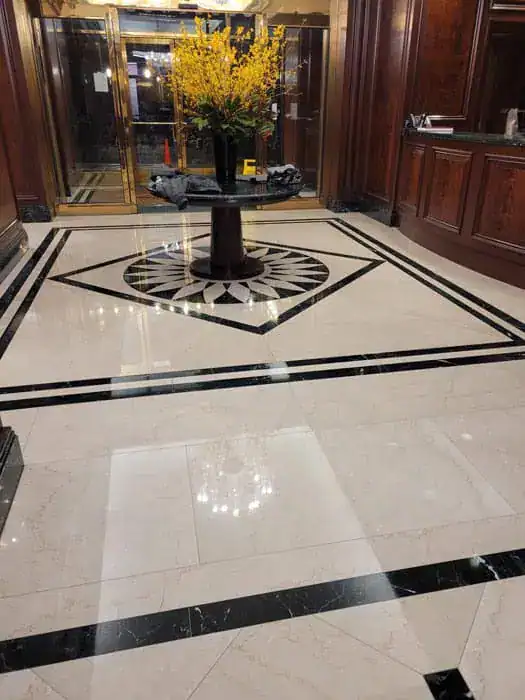
Why New York County Terrazzo Floors Need More Than Just Polishing
New York County is a particular case. The density of foot traffic here — even in residential buildings — is unlike most other markets. A lobby floor in a 20-unit co-op on the Upper West Side sees more daily foot traffic than a comparable floor in a suburban home would see in a week. That accelerates surface wear significantly.
Add to that the seasonal damage that comes with a New York City winter. From November through March, de-icing salt and sand are tracked in from sidewalks on the soles of shoes, and that material is abrasive. It scratches terrazzo surfaces and, over time, works its way into the binder. By spring, many lobby floors that looked fine in October are visibly dulled and scratched.
Then there’s the pre-war building factor. A significant portion of New York County’s residential and commercial building stock dates from the 1920s through the 1960s — exactly the era when terrazzo was at the height of its popularity. These floors are original, often beautiful, and frequently in need of more than a surface polish. Hairline cracks from thermal cycling, missing chips, and decades of accumulated wear are common findings on a first inspection.
We’ve also seen a fair number of cases where terrazzo floors in New York County apartments and lobbies were covered over with carpet or vinyl at some point — sometimes in the 1970s or 1980s — and discovered during a renovation. Those floors typically need full restoration before polishing is even a consideration, since they’ve often been sealed off from maintenance for decades.
The point isn’t that polishing is the wrong service — it’s that the right service depends on what your floor actually needs, and that requires an honest look before any work begins.
Terrazzo Floor Restoration Cost: What Drives the Price in New York County
This is one of the most common questions we get, and the honest answer is that the cost depends on factors that can only be assessed in person.
The size of the area is the most obvious variable — a small residential entryway and a 4,000-square-foot commercial lobby are very different projects. But condition matters just as much as size. A floor that needs repair work before polishing — crack filling, aggregate replacement, surface grinding to remove unevenness — requires more labor and materials than a floor that’s structurally sound and just needs a polish. The finish level you’re after also plays a role: a high-gloss mirror finish requires more passes and more time than a satin finish.
In New York County specifically, labor costs reflect the local market. Our area is expensive to operate in, and any quote that seems unusually low relative to others is worth scrutinizing — it may mean steps are being skipped, or that the scope of work is narrower than you realize.
What we recommend, and what we do for every project, is a proper on-site assessment before any pricing conversation. That means looking at the actual condition of the floor, understanding what repair work (if any) needs to happen before polishing, and being clear about what the finished result will look like. A quote built on a real inspection is a quote you can trust. One built on a phone description or a photo is a guess.
We offer free estimates, and we’ll tell you honestly whether your floor needs polishing, restoration, or something in between. That’s not a sales pitch — it’s just the only way to give you a number that means anything.
Getting an Honest Assessment for Your Terrazzo Floor
Terrazzo floor polish is a genuinely effective service when it’s the right service for the floor in front of you. The problem isn’t polishing — it’s going into a job without a clear picture of what the floor actually needs.
If your floor is dull and scratched but structurally intact, polishing will make a real difference. If it has cracks, chips, deep staining, or hasn’t been touched in decades, you’re likely looking at restoration first. Knowing which situation you’re in before anyone starts work is what separates a good outcome from a disappointing one.
We work with homeowners, condo boards, and commercial property managers across New York County. If you’re not sure what your floor needs, reach out — we’ll take a look, give you a straight answer, and go from there.