Summary:
If you’ve noticed your stone floor looking flat, cloudy, or just beaten down, you’re not imagining it. And if you’ve already tried cleaning it yourself, there’s a real chance you’ve made it worse — not because you did anything careless, but because most common cleaners are exactly the wrong thing to use on limestone, flagstone, or slate.
These three stone types show up constantly in New York County buildings, and they each behave differently under foot traffic, urban grime, and the wrong products. Knowing which material you have — and what it actually needs — is the difference between a floor that looks restored and one that looks ruined. Here’s how to tell them apart and what proper restoration looks like for each.
Limestone Restoration: What Makes It Different From Other Stone
Limestone is softer than most people expect. It sits at a 3 on the Mohs hardness scale — significantly softer than granite, which runs 6 to 7. That softness is part of why it looks so beautiful in older New York County buildings, but it’s also why it damages easily.
Scratches, dull patches, and those faint white marks you see near the kitchen or bathroom? Those are almost certainly etch marks, not stains. Etching happens because limestone is composed primarily of calcium carbonate, and calcium carbonate reacts chemically with acid. That includes lemon juice, wine, vinegar-based cleaners, and a lot of products marketed as “all-purpose” or even “stone-safe.” The reaction is immediate and it happens at the surface of the stone itself — which is why wiping it up quickly doesn’t prevent the damage.
How Does Professional Limestone Restoration Actually Fix Etching and Dullness?
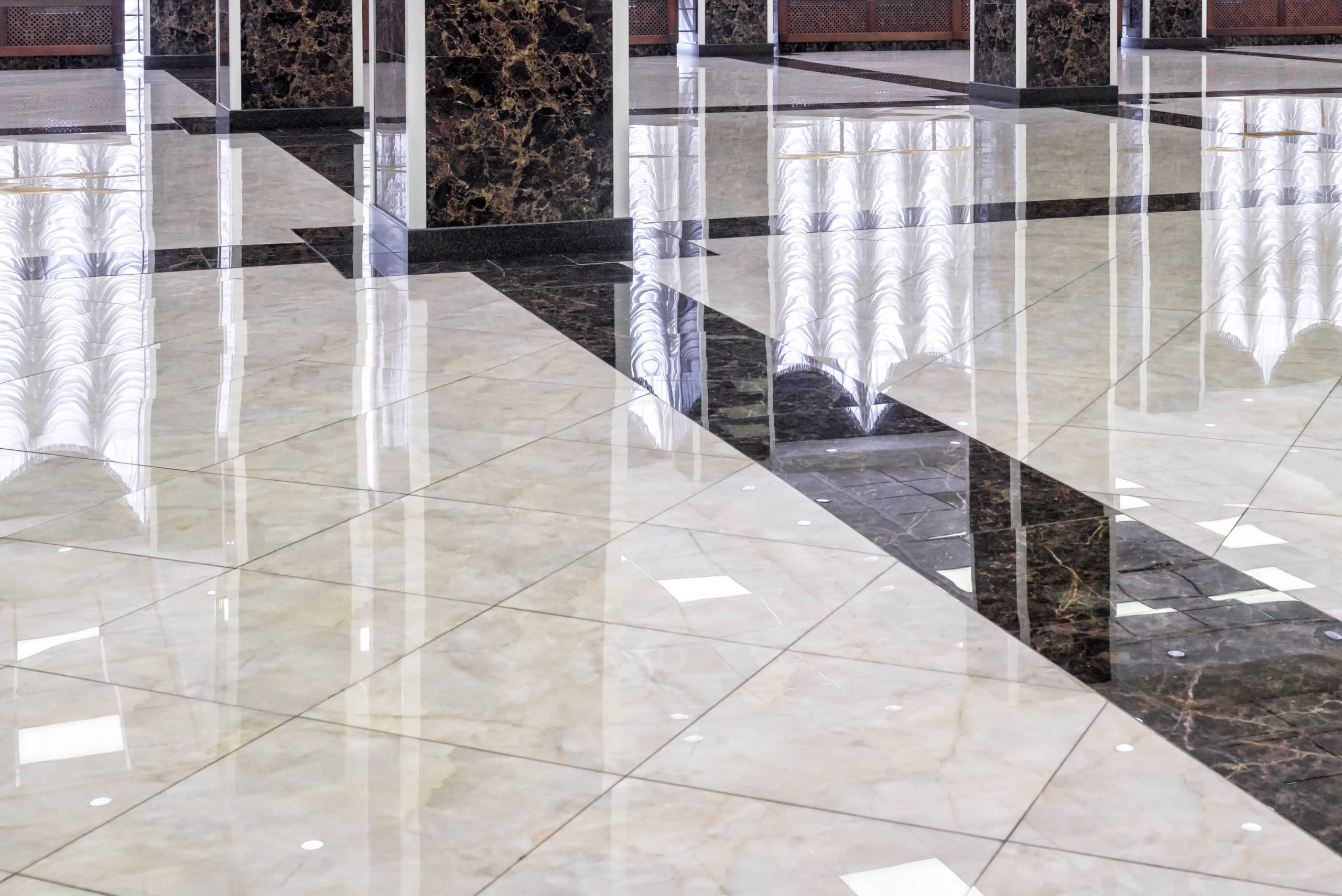
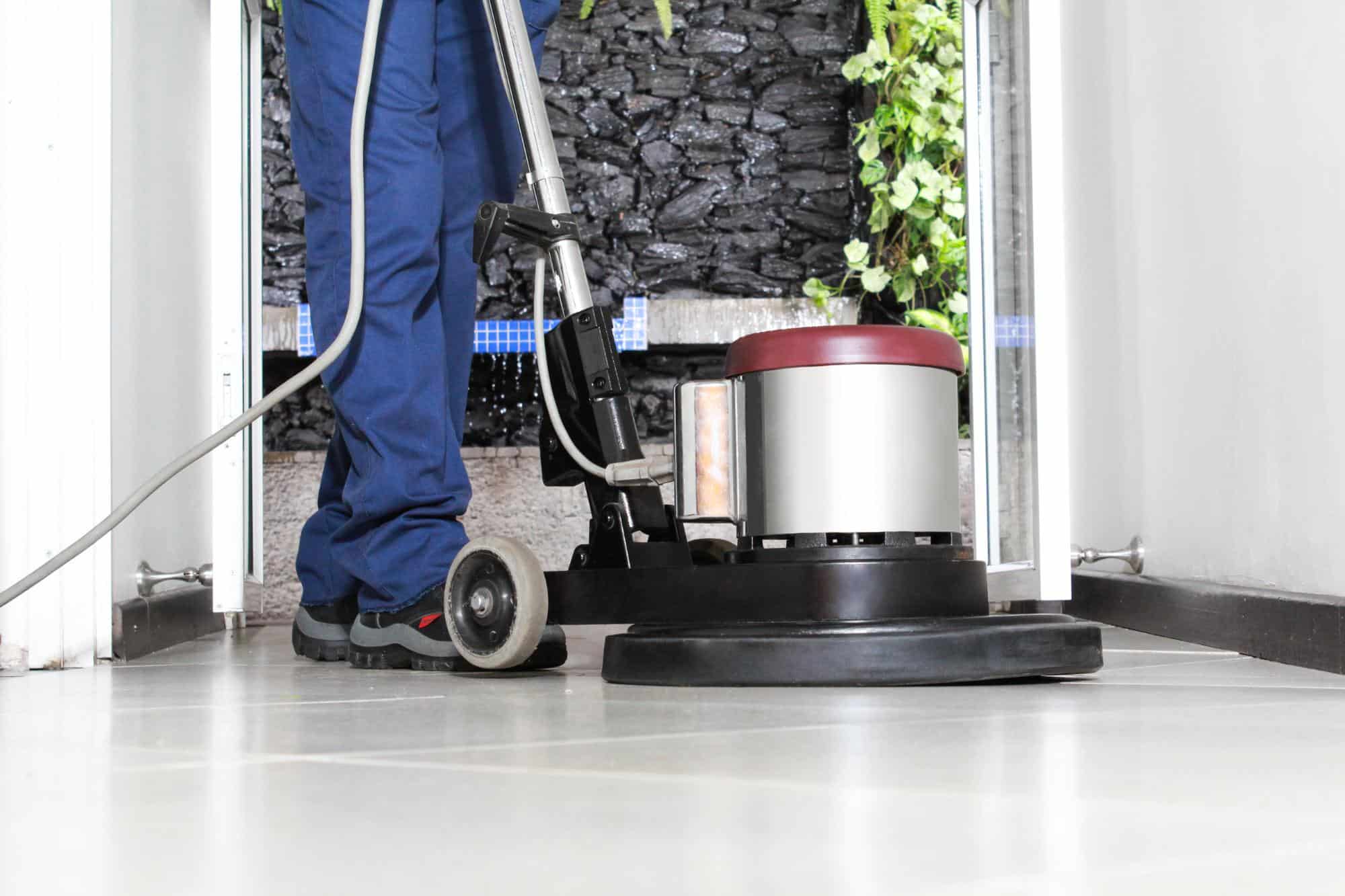
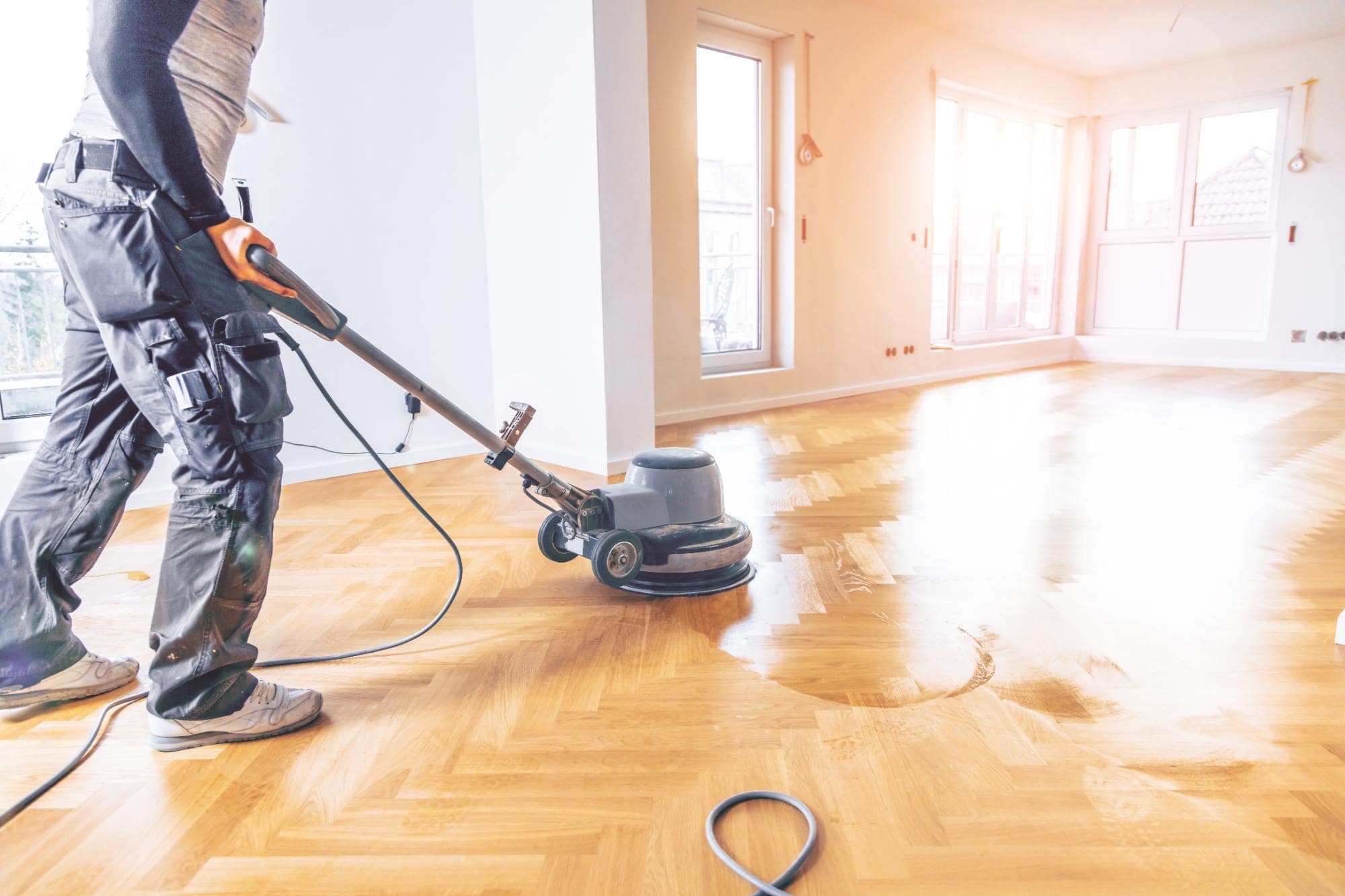
The short answer is that professional restoration physically removes the damaged layer of stone and rebuilds the finish from the surface up. It’s not a coating or a product you apply on top — it’s a process that works through the stone itself using diamond abrasive pads at progressively finer grits.
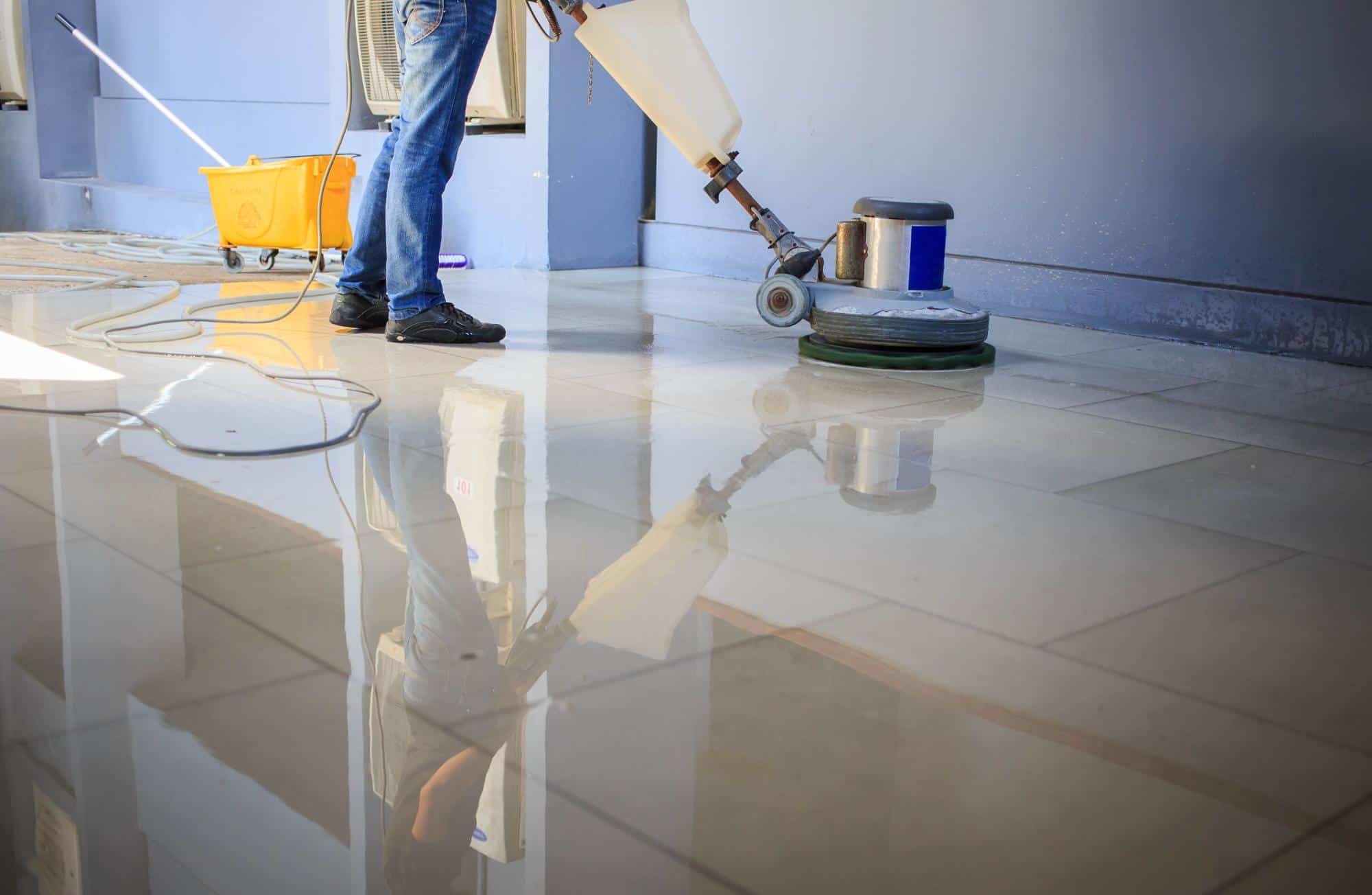
The sequence matters. We start with a thorough cleaning using pH-neutral products that won’t react with the calcium carbonate in the stone. From there, honing begins — diamond pads work through increasingly fine grits to remove scratches, etch marks, and surface wear. Coarser grits address deeper damage; finer grits refine the surface toward whatever finish level you want. A 400-grit pad leaves a smooth, matte appearance. Work up toward 3,000 grit and you’re approaching a mirror-like polish.
For limestone specifically, we also use a process called crystallization — a chemical and mechanical treatment that reacts with the calcium in the stone to create a hard, reflective surface layer. It’s particularly effective on lobby and hallway floors that take heavy daily use, and it’s one of the reasons professionally restored limestone can look better than it did when it was first installed.
The final step is sealing. Limestone is porous, which means it absorbs liquids readily. A penetrating impregnator sealer goes below the surface and protects against staining and moisture without changing the appearance of the stone. It won’t prevent acid etching — that’s a chemical reaction, not a surface stain — but it significantly extends the life of the restored finish and makes day-to-day maintenance much easier.
One thing worth knowing: applying two coats of sealer rather than one makes a meaningful difference on high-porosity stones like limestone. It’s a small step that most contractors skip, and it’s the kind of detail that shows up in the long-term performance of the floor.
Why DIY Limestone Restoration Usually Makes Things Worse
It’s worth addressing this directly, because a lot of people come to us after trying to fix the problem themselves first. According to professional restoration industry data, 85% of DIY limestone cleaning attempts cause additional chemical etching — precisely because the products used are too acidic for calcium-based stone.
The frustrating part is that the damage from a DIY attempt often looks worse than the original problem. You might start with a few dull patches and end up with a much larger etched area, or uneven finish across the whole floor. At that point, the restoration scope gets bigger and the process takes longer.
The other issue is that limestone in older New York County buildings has often accumulated decades of wax buildup, cleaning product residue, and embedded grime in the grout lines. Consumer-grade products don’t touch that layer — they just sit on top of it or, worse, react with the stone underneath. Professional-grade products like those from Miracle Sealants and StoneTech are formulated specifically for natural stone chemistry and aren’t available in hardware stores for a reason.
If your floor has visible etch marks, scratches, or has lost its finish, the most cost-effective path is usually to have us assess it before doing anything else. An in-person look at the stone takes the guesswork out of it — and in most cases, what looks like a replacement-level problem turns out to be a restoration job.
Flagstone Restoration and Slate Floor Restoration: Different Materials, Different Processes
Flagstone and slate come up constantly in New York County — flagstone on brownstone stoops and garden terraces, slate in pre-war foyers and building entries. Both are natural stone, and both show up on the same restoration company service lists as limestone. But the restoration approach for each is genuinely different, and treating them like interchangeable materials is where a lot of contractors go wrong.
Understanding what you actually have is the first step. The good news is that a trained eye can identify the material quickly during an in-person assessment — you don’t need to dig up old building records.
Flagstone Restoration: What It Involves and What to Expect
Flagstone isn’t a single stone type — it’s a category. The term covers any flat, sedimentary stone used for flooring or paving, which in New York County typically means bluestone, brownstone, sandstone, or quartzite. You’ll find it on stoops, garden terraces, and courtyard entries throughout neighborhoods like the West Village, Harlem, and Hamilton Heights, and it’s common in the outdoor and semi-outdoor spaces of older townhouses throughout the county.
Because flagstone is sedimentary and naturally textured, it doesn’t polish to a high gloss the way limestone does — and trying to do so would destroy the character of the surface. Flagstone restoration is about cleaning, consolidating, and protecting the stone, not transforming its finish.
Deep cleaning removes the embedded urban grime, pollution deposits, and biological growth (moss, algae) that accumulate on exterior and semi-exterior surfaces in a city environment. If the surface has begun to scale or erode, consolidation treatments can stabilize it. Damaged joints between flagstone pieces are repointed to prevent water infiltration, which is one of the main causes of long-term deterioration in New York County’s freeze-thaw climate.
Sealing is critical for flagstone because of its high porosity. The right sealer for bluestone or sandstone is different from what you’d use on limestone — it needs to allow the stone to breathe while blocking moisture and staining agents. Get the chemistry wrong and you can trap moisture under the surface, which accelerates the very damage you were trying to prevent.
For New York County property owners managing brownstone stoops or garden terraces, flagstone restoration is also often the only permissible option in NYC Landmarks Preservation Commission historic districts. Replacing original flagstone on a landmarked building typically requires LPC review; restoring it does not. That distinction matters more than most people realize when they’re weighing their options.
Slate Floor Restoration: Why Slate Needs a Completely Different Approach
Slate is metamorphic — it formed under heat and pressure, which gives it a layered, naturally cleft surface that’s unlike anything else. That texture is what makes slate distinctive, and it’s also what makes it easy to damage with the wrong restoration approach.
The most important thing to understand about slate is that it cannot and should not be polished to a mirror finish. Grinding a slate floor flat destroys the natural cleft surface that defines the material. What slate needs is deep cleaning to remove buildup and restore its natural color, targeted crack repair where the layered structure has begun to separate or chip, and sealing with a product that enhances the stone’s natural appearance rather than coating over it.
Color enhancement is a significant part of slate restoration. Slate that looks dull, faded, or gray often just needs the right sealer — one that brings the natural color back to the surface the way wet stone looks after rain. The transformation can be dramatic without any grinding or polishing at all.
Slate foyers and entry halls are common in New York County’s pre-war co-op and condo stock, particularly in buildings from the 1920s and 1930s on the Upper West Side, Upper East Side, and Central Park West. These floors have been in service for 80 to 100 years, and the ones that have survived in good condition have done so because they were maintained correctly — cleaned with appropriate products, sealed periodically, and never subjected to abrasive treatments that would compromise the surface.
When we assess a slate floor, we’re looking at the condition of the cleft surface, whether any tiles have begun to delaminate, the state of the grout joints, and what kind of finish you want to achieve. The process from there is gentler and more targeted than limestone restoration — but the results, when done right, are just as significant.
Choosing the Right Stone Restoration Company in New York County
The common thread across limestone, flagstone, and slate is that the material has to be identified correctly before any work begins. A contractor who approaches all three the same way will get it wrong on at least two of them — and in some cases, the damage they cause is harder to fix than the original problem.
New York County’s building stock is genuinely different from most markets. The density of pre-war co-ops and condos, the prevalence of LPC historic districts, the volume of foot traffic through building lobbies, and the specific wear patterns that come from a New York County winter all shape what proper restoration looks like here. That context matters when you’re deciding who to trust with a floor that may be older than most of the people in the building.
If you’re not sure what material you have, or you’re not sure whether your floor can be restored or needs to be replaced, the right first step is an in-person assessment. Diamond Stone Restorations Corp offers free estimates, and we’d rather spend twenty minutes looking at your stone and giving you an honest answer than have you make a costly decision based on a phone conversation.