Summary:
Most people assume that when tile looks bad enough, replacement is the only option. Grout that’s gone black, marble that’s lost its shine, ceramic that looks dull no matter how many times you clean it — it all feels like a dead end. But that assumption costs a lot of people a lot of money they didn’t need to spend. Professional tile restoration can reverse damage that looks permanent, at a fraction of what full replacement runs. This guide walks you through how the process actually works, when restoration is the right call, and what it looks like in practice — especially if you’re dealing with the specific challenges that come with New York County properties.
What Is Tile Restoration and What Does It Actually Fix?
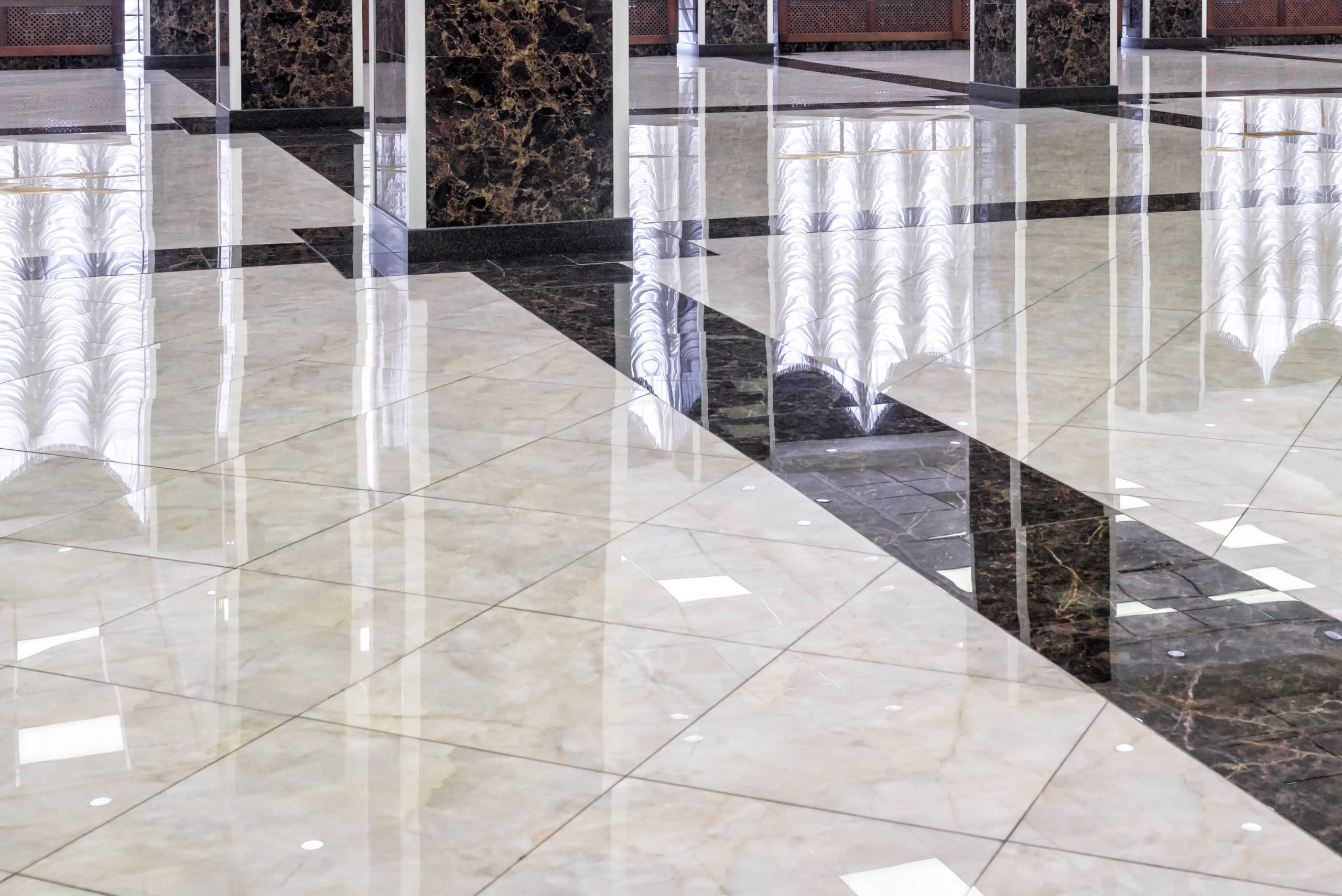
Tile restoration is a multi-step process that brings worn, stained, or damaged tile back to a usable — and often better-than-original — condition. It’s not just a deep clean. Depending on the surface and the damage, it can involve grinding down surface imperfections, honing to remove scratches and etching, polishing to restore shine, repairing cracked or chipped areas, and sealing to protect the surface going forward.
The result isn’t a patch job. Done properly, restored tile looks genuinely renewed — not covered up. And for natural stone surfaces like marble or terrazzo, restoration can actually produce a finish that exceeds what the surface looked like when it was first installed.

When Tile Can Be Restored Instead of Replaced
The short answer: more often than you’d think. Most tile that looks like it needs replacing is actually a strong candidate for restoration. The surface itself — the tile body — is usually fine. What’s failing is the finish, the grout, or the sealer. Those are all fixable without touching the tile underneath.
Grout that has gone gray, brown, or black is one of the most common triggers for calling a tile company. It looks terrible, it resists every consumer cleaner you throw at it, and it makes an otherwise decent floor look neglected. But discolored grout doesn’t mean the floor is done. Professional cleaning combined with grout recoloring or color sealing can transform it completely — without removing a single tile.
Dull or etched marble is another situation where replacement gets considered when it shouldn’t be. Marble etches when it comes into contact with acidic substances — citrus, vinegar, certain cleaning products. The surface looks foggy or scratched, but the damage is typically only a few microns deep. Honing and polishing removes it. The marble itself is perfectly intact.
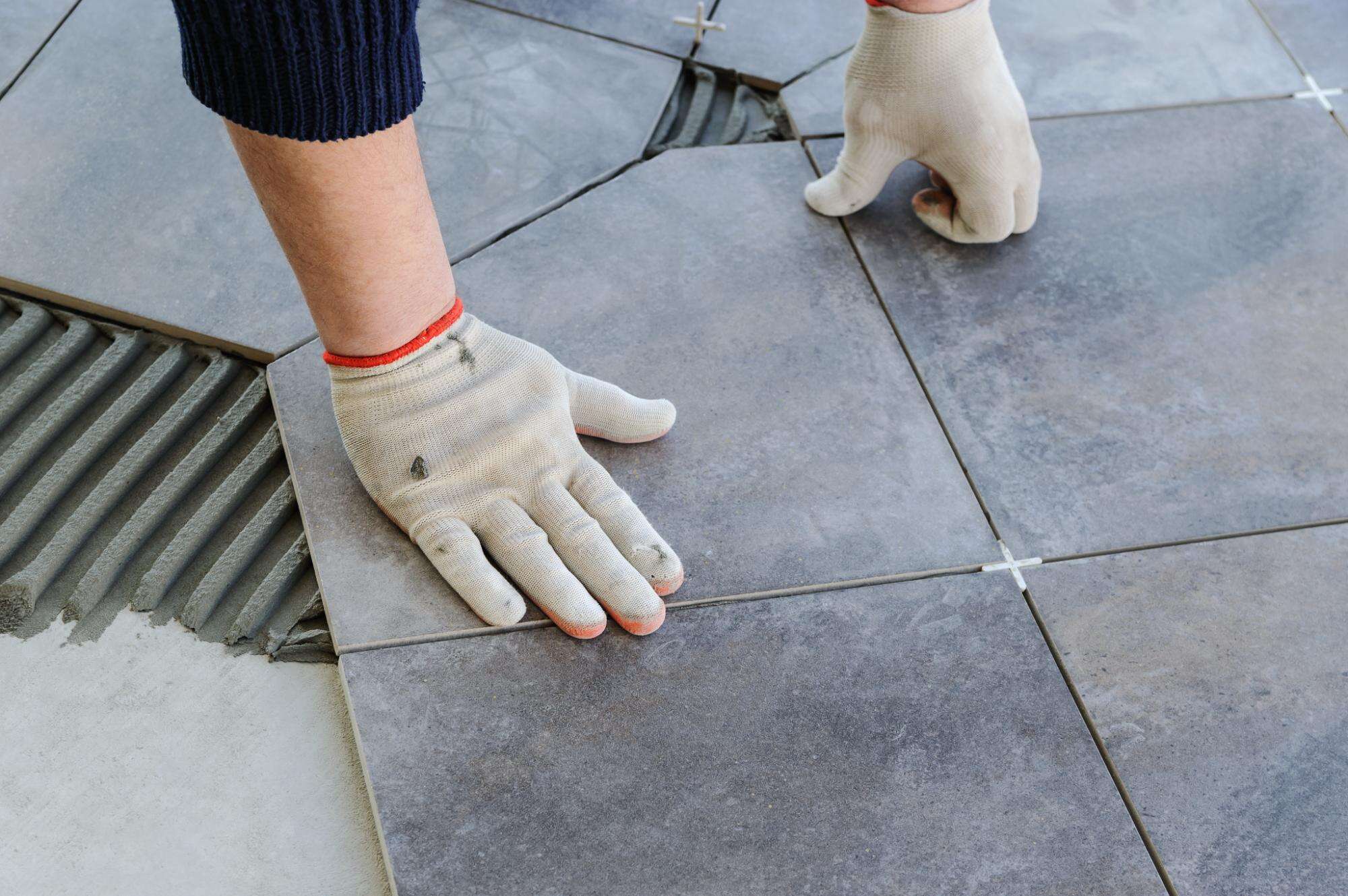
Surface staining on ceramic or porcelain tile is similar. If the tile body hasn’t cracked and the grout hasn’t crumbled away entirely, there’s almost always a restoration path. The cases where replacement is genuinely necessary are narrower than most people realize: structural tile failure, widespread cracking that goes through the body of the tile, severe subfloor damage from water intrusion, or tile that’s physically coming loose from the substrate in large sections. Short of those conditions, restoration is worth evaluating seriously before committing to a full tear-out.
One thing worth knowing: the assessment matters enormously. Different types of damage require different approaches, and a technician who knows the difference between surface etching and deeper structural wear will give you a much more accurate picture of what’s actually possible.
Why New York County's Building Stock Makes This Decision Especially Important
New York County has a building stock unlike anywhere else in the country. A significant portion of New York County’s residential buildings were constructed before 1960, and many of those pre-war co-ops and apartment buildings still have their original marble lobby floors, terrazzo hallways, and artisan tile bathrooms. These surfaces aren’t just old — they’re irreplaceable. The specific marble cuts, terrazzo blends, and tile patterns used in 1930s and 1940s construction simply aren’t manufactured anymore.
This changes the restoration-versus-replacement calculation entirely. If you damage or remove original terrazzo from a pre-war building, you’re not replacing it with something equivalent — you’re replacing it with something modern that will never quite match. The character of the space changes. For co-op and condo buildings where the lobby and common areas are part of what owners and renters are paying for, that matters.
We’ve worked on New York County buildings where the primary reason for restoration wasn’t even cost — it was that replacement wasn’t a viable option. When the material can’t be sourced and the aesthetic can’t be replicated, restoration isn’t just the smarter financial choice. It’s the only choice that actually preserves what’s there.
For individual apartment owners in New York County, the same logic applies to pre-war bathrooms. Original hexagonal floor tile, subway tile with period-appropriate trim, marble thresholds — these details are part of what makes a New York County apartment feel authentic. Restoring them rather than replacing them with modern equivalents protects both the character and the resale value of the unit.
Beyond the pre-war stock, New York County’s commercial properties — restaurant floors, hotel lobbies, office building entrances — face a different version of the same problem. High foot traffic wears stone and tile faster than in residential settings, and the visual standard expected in those spaces is high. Restoration keeps those surfaces performing and looking the way they need to without the extended downtime that full replacement requires.
Professional Tile Cleaning and Sealing: The Step Most Property Owners Skip
Even when tile looks fine on the surface, the grout almost certainly isn’t protected the way it should be. Grout is porous. Without a proper sealer, it absorbs moisture, bacteria, and staining agents continuously — which is why it gets so dark over time and why consumer cleaners only work temporarily.
Professional tile cleaning and sealing addresses both sides of the problem. The cleaning removes what’s already embedded in the surface. The sealing creates a barrier that prevents the same buildup from happening again. Together, they extend the life of the floor and dramatically reduce the maintenance effort required to keep it looking clean.

What Professional Tile Cleaning Actually Involves
There’s a meaningful difference between what professional tile cleaning achieves and what a consumer cleaner or even a steam mop does. Professional tile cleaning uses commercial-grade equipment and chemistry that penetrates the grout at a depth that retail products can’t reach. The cleaning isn’t just surface-level — it extracts embedded dirt, bacteria, and staining agents from within the grout itself.
The process typically starts with a thorough assessment of the surface condition. Different tile types — ceramic, porcelain, natural stone, terrazzo — respond differently to cleaning agents, and using the wrong chemistry on the wrong surface can cause damage. A technician who knows the difference between how marble responds versus how a glazed ceramic tile responds will approach each surface accordingly.
After cleaning, the surface is dried and inspected before any sealing or finishing work begins. This step matters more than most people realize. Sealing over a surface that hasn’t been properly cleaned just locks the contamination in — which is exactly what happens when property owners apply consumer sealers without professional preparation first.
For grout specifically, professional cleaning often reveals that the original color is significantly lighter than what’s been visible for years. Grout that looks permanently gray or brown is frequently just deeply soiled — not discolored or stained beyond recovery. Seeing the actual grout color again, after years of buildup, is one of the more striking results of a professional cleaning.
How Long Does Professional Tile Sealing Actually Last?
This is the question that matters most to anyone who’s had tile sealed before and felt like it didn’t hold. The honest answer is that it depends heavily on the quality of the sealer used and whether the surface was properly prepared before application.
Consumer-grade sealers — the kind available at hardware stores — are water-based and penetrate the surface only shallowly. They provide some protection for a few months, but they degrade quickly under regular foot traffic and cleaning. That’s why surfaces that were “sealed” by a previous owner or a less specialized contractor often don’t seem sealed at all after a year or two.
Professional-grade sealers are a different category of product. There are two main types we use in professional restoration: penetrating sealers, which absorb into the stone or grout and create an invisible barrier that repels water and stains while allowing the surface to breathe naturally; and topical sealers, which form a protective coating on top of the surface that adds both protection and sheen. The right choice depends on the tile type, the location, the usage pattern, and the desired finish.
Properly applied professional sealers on a well-prepared surface can maintain their protection for years — not months. For most residential applications in New York County, professionally restored and sealed stone and tile surfaces can hold their appearance for five to ten years before requiring another full restoration, depending on usage and how well the surface is maintained in between.
After sealing, surfaces typically need twelve to twenty-four hours to fully cure before returning to normal use. That’s a small inconvenience relative to the protection it provides. For a New York County apartment bathroom or kitchen, or a building lobby that needs to look sharp every day, that kind of durability is what makes professional sealing worth the investment rather than a recurring expense.
Making the Right Call on Tile Restoration in New York County
The decision between restoring tile and replacing it comes down to one honest assessment: what’s actually failing, and can it be fixed without starting over? In most cases — especially in New York County’s older building stock — the answer is yes. The tile itself is sound. The finish, the grout, and the sealer are what need attention.
Restoration costs a fraction of replacement, takes days instead of weeks, and in the right hands, produces results that can exceed the original finish. For pre-war surfaces that can’t be replicated, it’s often the only path that actually preserves what’s there.
If you’re not sure which direction makes sense for your floor, the best starting point is a professional assessment. We’ve been working with New York County homeowners, building managers, and commercial property owners since 2007. Reach out to Diamond Stone Restorations Corp for a free quote and get a straight answer about what your surface actually needs.