Summary:
Understanding Terrazzo Restoration Options: Polishing vs Honing
Terrazzo restoration isn’t a one-size-fits-all solution. The approach you choose depends on your floor’s current condition, your aesthetic goals, and your long-term maintenance strategy.
Polishing creates a high-gloss, reflective finish that brings out the rich colors and patterns in your terrazzo. Honing, on the other hand, produces a matte or satin finish that’s more subtle and forgiving of everyday wear.
Both processes start with grinding away surface damage, but they diverge in the final steps that determine your floor’s appearance and performance characteristics.
The Financial Reality of Terrazzo Polishing in NYC
On average, restoring a terrazzo floor can cost anything from $2 to $5 per square foot, but polishing typically sits at the higher end of this range due to the additional steps required to achieve that mirror-like finish.
Here’s where the math gets interesting for NYC property managers. Diamond polished floors that are polished all the way up to a high shine last from eight to ten years under normal use and rarely need to be completely redone. After eight to ten years the floors need only to be done with polishing grits. This means your initial investment pays dividends through reduced maintenance frequency.
Polishing brings out the stone’s natural brilliance, and requires less maintenance and cost compared to waxing. For commercial buildings where appearance directly impacts tenant satisfaction and property value, this enhanced aesthetic can justify the higher upfront cost.
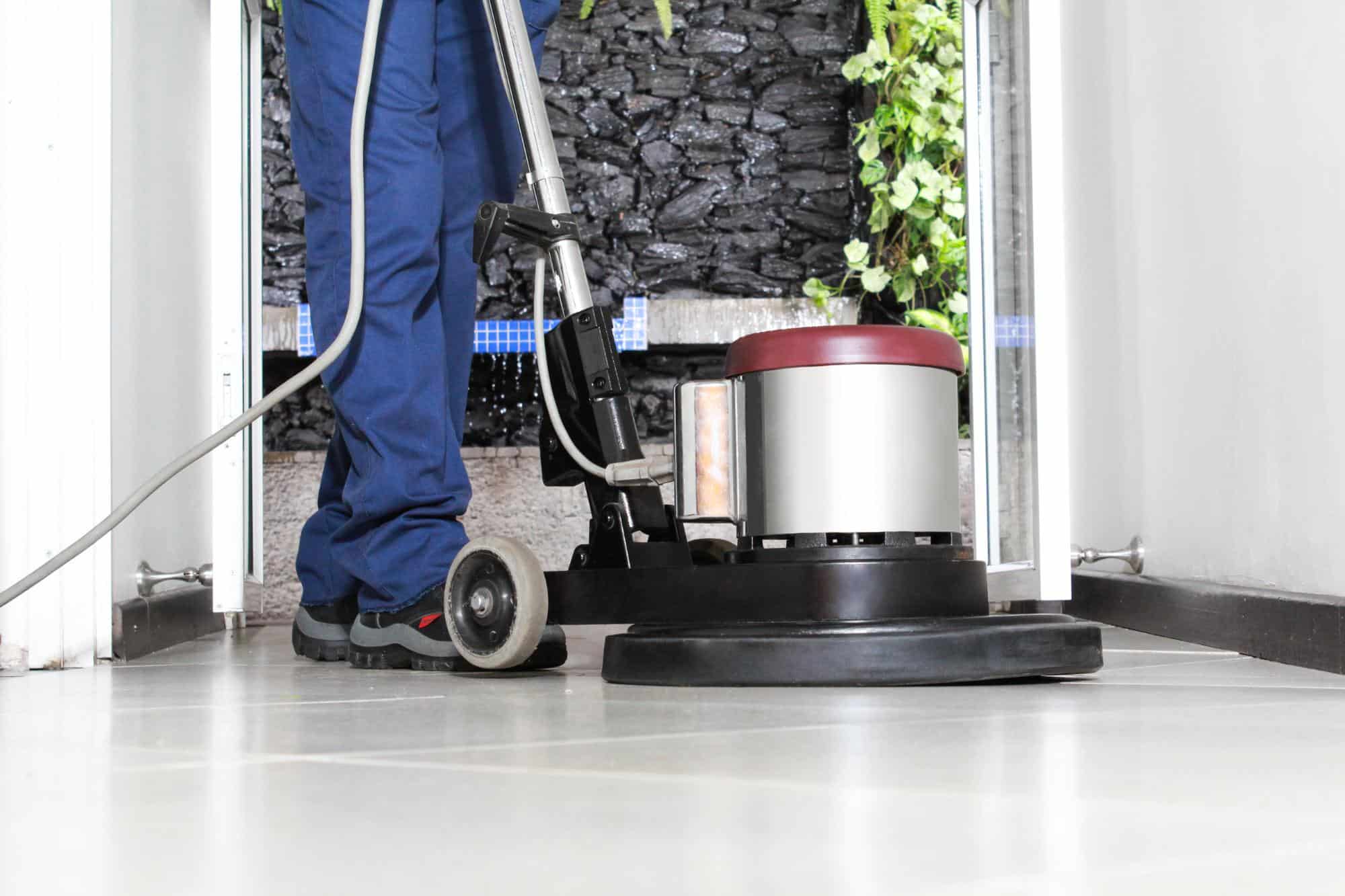
The process involves progressively finer diamond abrasives that create an increasingly smooth surface. Each step removes microscopic scratches left by the previous grit, ultimately producing a surface so smooth it reflects light uniformly. This isn’t just about looks—the smoother surface resists dirt accumulation and makes routine cleaning more effective.
When Honing Makes More Financial Sense
On average, restoring a terrazzo floor can cost anything from $2 to $5 per square foot, but polishing typically sits at the higher end of this range due to the additional steps required to achieve that mirror-like finish.
Here’s where the math gets interesting for NYC property managers. Diamond polished floors that are polished all the way up to a high shine last from eight to ten years under normal use and rarely need to be completely redone. After eight to ten years the floors need only to be done with polishing grits. This means your initial investment pays dividends through reduced maintenance frequency.
Polishing brings out the stone’s natural brilliance, and requires less maintenance and cost compared to waxing. For commercial buildings where appearance directly impacts tenant satisfaction and property value, this enhanced aesthetic can justify the higher upfront cost.
The process involves progressively finer diamond abrasives that create an increasingly smooth surface. Each step removes microscopic scratches left by the previous grit, ultimately producing a surface so smooth it reflects light uniformly. This isn’t just about looks—the smoother surface resists dirt accumulation and makes routine cleaning more effective.
Long-Term Value Analysis: Maintenance and Longevity Factors
The real test of any restoration investment isn’t the initial cost—it’s what happens over the next decade. Both polishing and honing can deliver exceptional longevity when properly executed, but they require different maintenance approaches.
With proper maintenance, a terrazzo floor can last the lifetime of any building. This isn’t marketing hyperbole—it’s backed by real-world evidence from buildings across NYC where century-old terrazzo still performs beautifully.
The key is matching your restoration choice to your building’s specific usage patterns and maintenance capabilities.
Breaking the Strip-and-Wax Cycle: The Hidden Cost Savings
Here’s where many property managers discover the true value of proper terrazzo restoration. Waxed surfaces collect dirt, fade, yellow over time and require a perpetual cycle of stripping and re-waxing. We offer solutions that break the cycle of stripping and waxing, saving you thousands in annual maintenance costs, while achieving better results.
Both polishing and honing eliminate the need for topical coatings when done correctly. No more stripping and waxing! Just a quick sweep and a damp mop. This simplification of your maintenance routine translates to immediate labor savings and eliminates the ongoing cost of stripping chemicals and floor wax.
Consider a typical commercial building in Manhattan with 5,000 square feet of terrazzo. Traditional strip-and-wax maintenance might cost $3,000-$5,000 annually when you factor in labor, materials, and building disruption. Proper restoration eliminates this recurring expense entirely.
The environmental benefits matter too, especially for buildings pursuing LEED certification or other green building standards. Choosing to restore terrazzo floors is an eco-friendly option. By restoring instead of replacing, you reduce waste and minimize the environmental impact of harsh chemical strippers and synthetic waxes.
Performance Characteristics That Affect Your Bottom Line
The finish you choose affects more than appearance—it impacts safety, maintenance efficiency, and tenant satisfaction. Diamond-polished terrazzo floors offer a non-slip surface, easily meeting the OSHA standards for wet and dry slip resistance. Diamond-polished floors are incredibly flat and smooth, providing the maximum contact patch between a shoe or foot and the floor.
This safety advantage matters in NYC’s liability-conscious environment. Slip-and-fall incidents can cost property owners far more than any restoration project. The superior slip resistance of properly restored terrazzo provides both safety benefits and potential insurance advantages.
Polished terrazzo has a high gloss finish that reflects more natural light than a honed finish stone. The color within the terrazzo tends to look richer, darker and enhanced when polished. In buildings where natural light is limited, this reflective quality can reduce artificial lighting needs and create a more welcoming environment for tenants.
Honed surfaces, while less reflective, offer their own advantages. The matte finish doesn’t show water spots or fingerprints as readily as polished surfaces, which can be crucial in areas with heavy foot traffic or limited maintenance access. The choice often comes down to whether you prioritize maximum visual impact or minimum maintenance visibility.
Making the Right Investment Decision for Your NYC Property
The choice between polishing and honing isn’t about right or wrong—it’s about matching the restoration approach to your specific situation and priorities. When factoring its durability and low maintenance costs over a span of 40 years, it is the most cost-effective flooring system for commercial buildings.
Both options deliver exceptional value when executed by experienced professionals who understand terrazzo’s unique requirements. The key is working with a restoration team that can assess your floors’ current condition, understand your building’s usage patterns, and recommend the approach that best serves your long-term interests.
Whether you choose the dramatic elegance of polishing or the practical durability of honing, you’re making an investment that will serve your building for decades. For expert guidance on terrazzo restoration in NYC and Astoria, we combine technical expertise with transparent communication to help you make the best decision for your property.