Summary:
You’ve scrubbed it. You’ve tried the sprays, the steam mop, the grout pen. And it still looks gray. Or brown. Or like something you’d rather not think about too hard. Here’s the thing — that’s not a cleaning problem. That’s a sealing problem. Grout is porous by nature, which means it absorbs whatever lands on it: moisture, soap scum, cooking grease, city grime. Once it’s in there, surface cleaning barely makes a dent. What actually works is sealing the grout before it becomes a lost cause — and doing it right the first time.
Grout Cleaning and Sealing: Why the Order Matters More Than the Product
Most people think grout sealing is just about buying the right product and applying it. It’s not. The single most important step happens before any sealer touches your floor — and it’s the step that almost every DIY attempt skips or rushes through.
Grout has to be deeply cleaned before it’s sealed. Not surface-wiped. Not mopped. Professionally cleaned, with equipment and solutions that pull embedded contaminants out of the pore structure of the grout itself. If you seal over dirty grout, you’re not protecting it — you’re locking the dirt in permanently. That’s not a recoverable situation without stripping the sealer entirely and starting over.
This is the core reason professional grout cleaning and sealing produces results that last, and why a hardware-store sealer applied on a Saturday afternoon usually looks fine for a few months and then fails. The process matters more than the product.
What Does Professional Grout Cleaning Actually Involve?
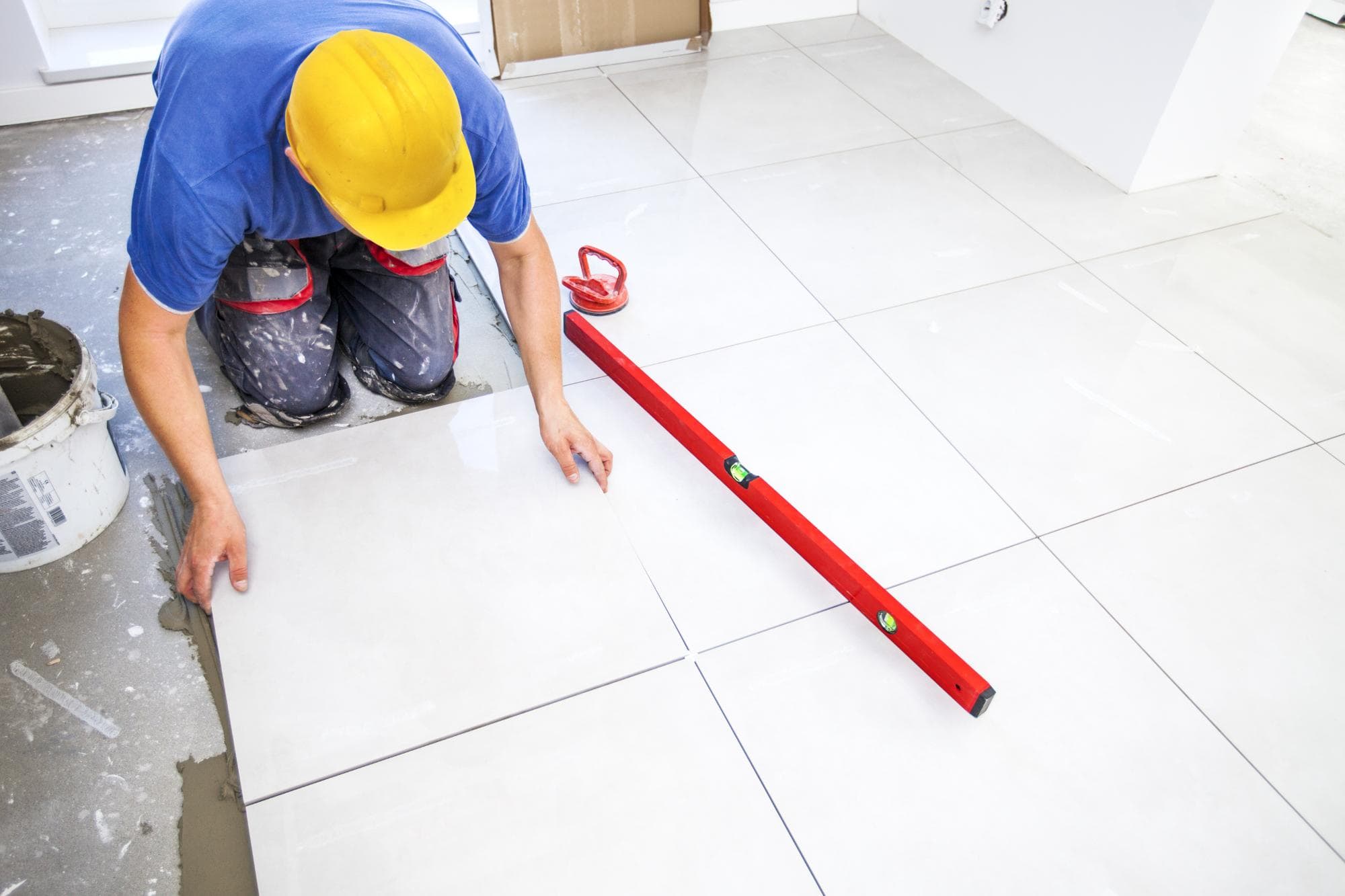
When we assess a surface before sealing, the first thing we’re looking at is what’s actually in the grout — not just what’s on it. Soap scum, mineral deposits, mold spores, and years of accumulated grime can be embedded deep in the grout’s porous structure. A standard mop or household scrub brush isn’t designed to reach that level. Professional cleaning uses specialized equipment and pH-balanced solutions that break down contaminants at the source, pulling them out rather than just redistributing them across the surface.
After cleaning, the grout has to dry completely — at least 24 hours — before any sealer is applied. Sealing over damp grout is another common mistake that leads to clouding, poor adhesion, and early sealer failure. This waiting period is non-negotiable, and it’s part of why a proper grout sealing job takes more than an afternoon.
Once the surface is clean and fully dry, we apply a penetrating sealer — not a topical coating that sits on the surface and peels over time, but a formula that soaks into the grout’s structure and bonds from within. The sealer needs proper dwell time to penetrate fully, and any excess has to be removed carefully to prevent residue or haze on the tile surface. When it’s done correctly, the result is a grout line that repels moisture and stains at the structural level, not just the surface.
For New York County apartments specifically, this matters in ways that go beyond aesthetics. A pre-war bathroom that’s never been professionally sealed — and there are hundreds of thousands of them throughout the county — has been absorbing moisture, bacteria, and grime for decades. The grout may look permanently stained because, in a sense, it is. But deep cleaning followed by proper sealing can reverse a significant amount of that damage and stop the cycle going forward.
Slate Cleaning and Sealing: A Different Surface That Needs a Different Approach
Slate is one of those surfaces that catches people off guard. It looks durable — and it is — but it’s also highly porous and layered in a way that makes it absorb sealers, cleaners, and moisture differently than ceramic or porcelain tile. Apply the wrong product to slate and you can cause permanent discoloration, surface damage, or a haze that’s nearly impossible to remove without professional intervention.
Slate cleaning and sealing requires pH-neutral cleaners that won’t etch the stone’s surface, and penetrating sealers specifically formulated for natural stone — not the same product you’d use on a ceramic bathroom floor. The sealer needs to soak in without pooling, and the application technique has to account for slate’s uneven surface texture, which can trap excess sealer in the recessed areas between the stone’s natural ridges.
We work with slate regularly throughout New York County, where it appears in everything from entryway floors in pre-war co-ops to kitchen backsplashes in renovated brownstones. The approach is always the same: assess the specific stone, clean it with the right chemistry, and seal it with a product that protects without altering the appearance. Slate has a natural, matte character that most owners want to preserve. A good penetrating sealer does exactly that — it protects the stone without adding sheen or changing the color.
If you have slate in your home or building and you’re not sure whether it’s been sealed or when it was last done, the water bead test is a simple starting point. Drop a small amount of water on the surface. If it beads up and sits on top, the seal is intact. If it absorbs into the stone within a minute or two, it’s time to reseal.
Tile Cleaning and Sealing in New York County's Unique Building Environment
New York County is not a typical market for tile and grout maintenance. The building stock here — much of it pre-war, densely occupied, and subjected to conditions that would accelerate wear anywhere — creates a set of challenges that most general cleaning guides don’t account for.
Foot traffic in a New York County apartment lobby is a different thing entirely from foot traffic in a suburban home. Urban pollution, winter salt tracking from sidewalks, and the humidity swings between a steam-heated January and a humid August all work against tile and grout in ways that shorten the resealing cycle and make professional-grade products a practical necessity rather than an upgrade.
Why Unsealed Grout in New York County Apartment Buildings Is a Liability, Not Just an Eyesore
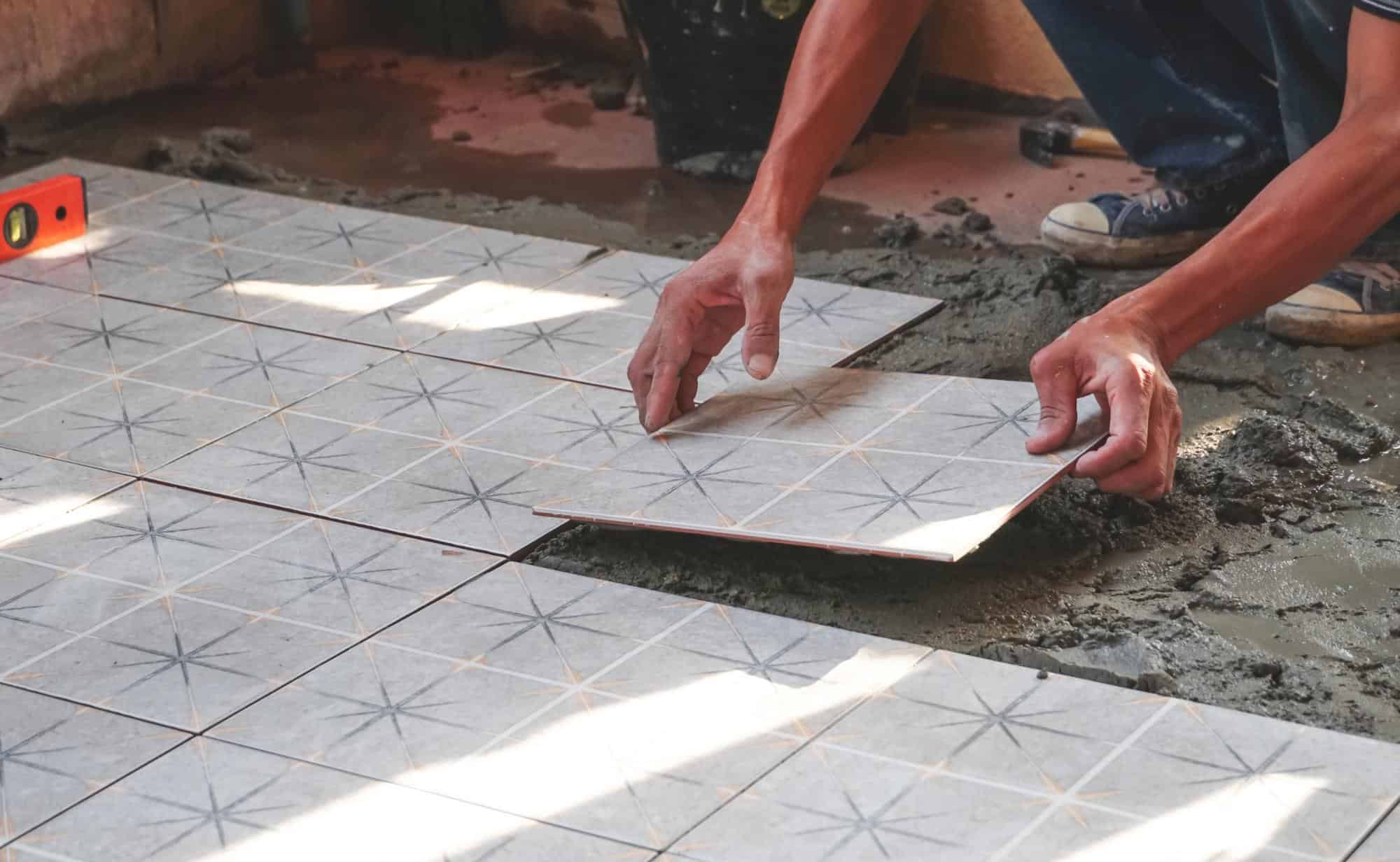
In a single-family home, failing grout is mostly an aesthetic problem — until water damage sets in. In a New York County apartment building, the stakes are different. When grout in a bathroom or kitchen floor fails and water starts seeping through, it doesn’t just affect the unit it originated in. It can work its way into the subfloor, into walls, and into the ceiling of the apartment below.
In a building with hundreds of units, that kind of water migration can trigger mold growth in inaccessible wall cavities, damage to shared structural elements, and disputes between tenants, owners, and building management that get expensive fast. This is why property managers and building supers throughout New York County treat grout sealing as preventive maintenance rather than cosmetic work. A properly sealed bathroom floor in a 5th-floor unit is a form of protection for the 4th-floor ceiling.
We work with both individual apartment owners and building management companies across New York County. The scope is different — a single bathroom versus a full building’s worth of common areas and unit bathrooms — but the process and the standard of work are the same. Commercial-grade penetrating sealers, thorough cleaning before application, and a result that actually holds up under real New York County conditions.
For building owners and managers specifically, tile cleaning and sealing across common areas — lobby floors, corridor tile, laundry room surfaces — is also a visible signal to residents that the building is maintained. In a competitive rental market, that matters more than most operators realize.
How Often Does Grout Need to Be Sealed in High-Traffic New York County Spaces?
The honest answer is: it depends on where the tile is and how much use it gets. In a low-traffic bedroom or guest bathroom that rarely sees moisture, grout sealing every three years is a reasonable interval. In a kitchen floor, a master bathroom shower, or a building lobby that absorbs hundreds of footfalls a day, the cycle is shorter — closer to one to two years for high-use residential surfaces, and potentially more frequent for commercial spaces with heavy daily traffic.
The simplest way to know when it’s time is the water bead test. If water dropped onto the grout absorbs quickly rather than beading on the surface, the sealer has worn down and the grout is exposed. At that point, the question isn’t whether to reseal — it’s how much cleaning will be needed before you can.
One thing worth understanding about New York County’s specific conditions: the combination of urban grime, humidity cycling between seasons, and winter salt tracking from sidewalks means grout here wears faster than it would in a less demanding environment. A resealing interval that works in a quieter market may not hold up the same way in a building near a busy street or a high-traffic lobby in the county. When lobby flooring has more significant wear or surface damage, building lobby floor restoration may be appropriate alongside regular cleaning and sealing. We factor that in when we assess a surface and give you an honest read on what the maintenance schedule should look like going forward.
Consumer-grade water-based sealers from hardware stores tend to wear off significantly faster than commercial-grade penetrating formulas — sometimes in as little as six months under normal residential use. Part of what you’re paying for with professional service is a sealer that’s actually rated for the conditions your tile lives in, applied correctly over a properly cleaned surface.
Ready to Stop Fighting Your Grout? Here's What to Do Next
If you’ve been scrubbing the same grout lines for months and getting nowhere, it’s not a reflection of how hard you’re working. It’s a sign that the grout was never properly sealed — or that the seal wore off and nobody caught it in time. The fix is straightforward when it’s done right: deep cleaning first, the correct sealer for your specific tile and grout type, applied with the patience and technique the job actually requires.
New York County’s buildings demand more from their surfaces than most, and they deserve maintenance that matches. Whether you’re dealing with a single bathroom in a pre-war apartment, a slate entryway in a co-op, or a lobby floor that takes a beating every day, the approach is the same — material-specific, process-driven, and built to last.
If you want a straight answer on what your tile and grout actually needs, Diamond Stone Restorations Corp offers free estimates with no pressure. Reach out, describe what you’re working with, and we’ll take it from there.