
Summary:
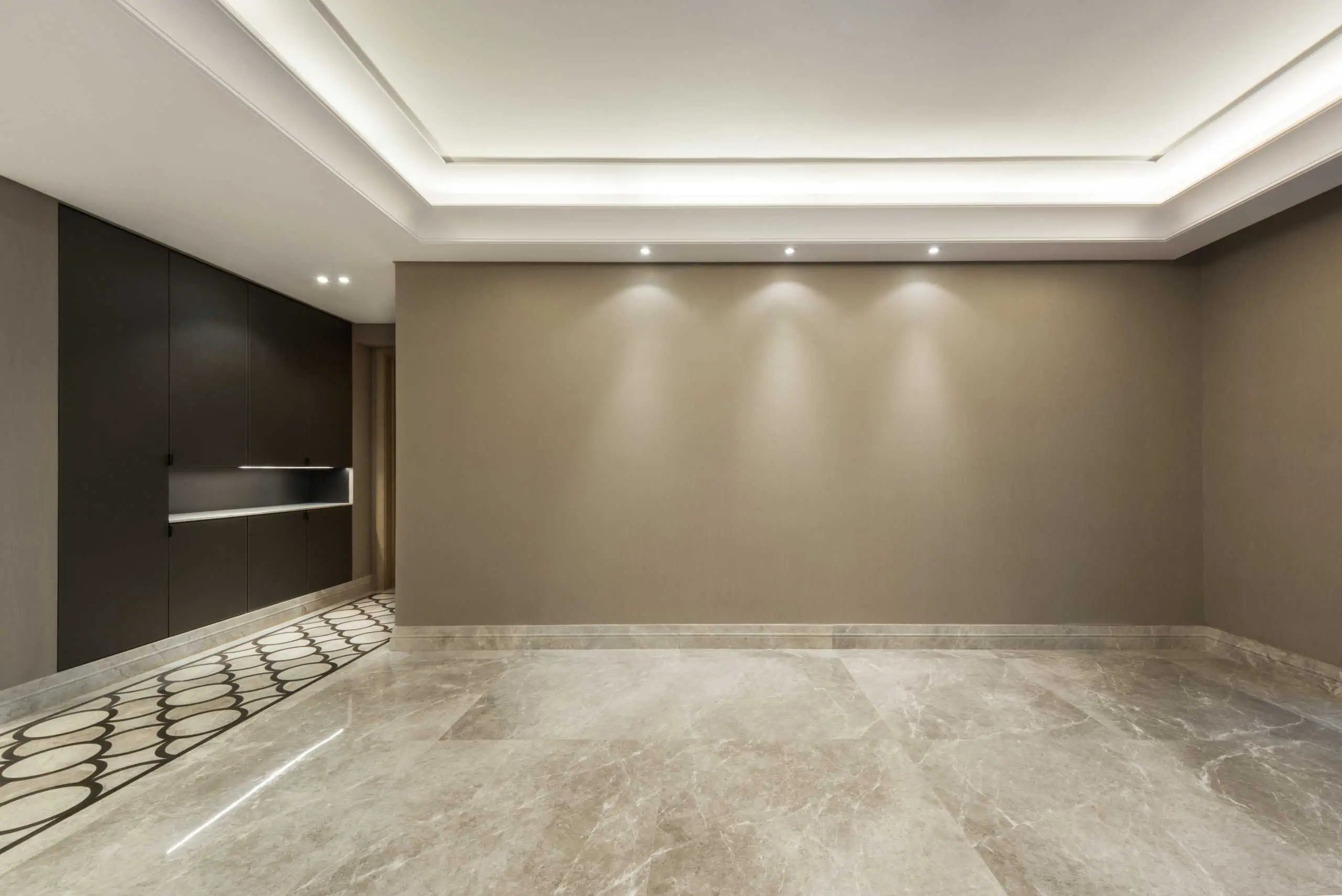
By the time March rolls around in Manhattan, a lot of building managers are staring at a lobby floor that looks nothing like it did in October. The marble is dull. There’s a white haze that won’t mop off. The shine is gone. And the instinct is usually to blame the cleaning crew.
But the cleaning crew isn’t the problem. Road salt is. And it’s been doing its damage quietly, one boot at a time, since November.
This guide explains exactly what’s happening to your marble — and what you can do about it before this winter makes it worse.
Marble Restoration Cost: Why Prevention Costs Less Than You Think
Marble restoration in New York County typically runs between $4 and $18 per square foot, depending on the condition of the surface and the scope of the work. That’s manageable for most commercial budgets.
Compare that to full marble replacement — which in Manhattan can run $80 to $300 or more per square foot once you factor in demolition, fabrication, and labor — and the math becomes very clear, very fast.
The catch is that restoration costs go up the longer you wait. A floor that needs professional sealing in October is a very different job than a floor that needs diamond grinding and full refinishing in April. Catching the problem early — ideally before the salt season even begins — is where the real savings are.

How Road Salt Actually Damages Marble — The Chemistry Behind the Deterioration
Marble is calcium carbonate. That’s the key fact that explains almost everything about how it behaves and why it’s so vulnerable to road salt.
When chloride-based de-icing chemicals — the kind used on sidewalks all over New York County from November through March — get tracked into a building lobby, they don’t just sit on the surface. They work their way into the stone’s pores. As they dry and recrystallize, they expand. That expansion puts physical pressure on the marble from the inside, a process called subflorescence. Over time, it causes pitting, spalling, and a rough, cratered surface texture that no amount of mopping will fix.
The damage tends to be worst in the walking path directly inside the entrance — the exact spot where every tenant, delivery person, and visitor crosses multiple times a day. In a busy Manhattan office building or residential co-op, that’s hundreds of people per day, each one tracking in a fresh dose of salt residue on the soles of their shoes.
What makes this especially frustrating is that the damage is invisible for most of the winter. In November and December, the floor might still look acceptable. By January, there’s a subtle dullness. By March, the surface has lost its reflectivity entirely, and the pitting is visible under normal lighting.
There’s also a secondary problem that most building managers don’t know about: the cleaning products their maintenance staff uses every day. Most commercial floor cleaners are not pH-neutral. Marble reacts badly to anything acidic or strongly alkaline. So while the janitorial team is doing their job, they may be unknowingly accelerating the etching process with every pass of the mop.
The practical takeaway is that standard building maintenance, however diligent, is not enough to protect a marble lobby floor through a New York City winter. The salt is too aggressive, the traffic is too heavy, and the chemistry is working against you.
What De-Icing Products Are Actually Safe Near Marble Floors?
This is a question worth asking before every winter season, because not all de-icing salts cause the same level of damage — and some are significantly worse than others.
Sodium chloride (standard rock salt) is the most widely used de-icer in New York County and the one the Department of Sanitation deploys in enormous quantities across the five boroughs each winter. It bleaches and discolors stone over time, and it contributes to subflorescence. Calcium chloride is even more damaging — it’s highly hygroscopic, meaning it actively attracts moisture, which accelerates the crystallization pressure cycle inside the stone.
Potassium chloride and magnesium chloride are somewhat less destructive, but they’re still not harmless. The safest approach for any building with marble, terrazzo, or limestone lobby floors is to use a sand-based traction product on the sidewalk rather than chemical de-icers wherever possible, and to install high-quality, absorbent entry matting that captures salt residue before it reaches the stone.
Here’s the reality that makes this complicated for New York County building owners and managers: New York City requires property owners to treat icy sidewalks within a specific window after snowfall. You don’t have a choice about whether to use de-icing products. The legal obligation is there. What you can control is how well your lobby floor is protected when the salt inevitably comes inside.
That’s where a href=”https://dsr-corp.com/services/marble-polishing/”>professional marble cleaning and sealing becomes less of a maintenance expense and more of a practical necessity. A properly applied penetrating sealer — the kind that works from within the stone rather than sitting on top of it — creates a barrier that slows the absorption of moisture and salt compounds. It won’t make your floor invincible, but it gives you a meaningful head start on a season that would otherwise do real damage.
The window to get that protection in place is October. Once the salt season starts, you’re in reactive mode. And reactive mode, in this context, always costs more.
Stone Floor Sealing: What the Process Actually Looks Like
A lot of people assume sealing is just spraying something on a floor and letting it dry. Professional stone floor sealing is a more deliberate process than that, and the difference between doing it right and doing it wrong shows up quickly in a high-traffic Manhattan lobby.
The right sealer for a commercial marble floor is a penetrating, or impregnating, sealer — one that absorbs into the stone and protects from within rather than forming a film on the surface. Topical coatings can peel, yellow, and trap moisture beneath them. A penetrating sealer doesn’t change the appearance of the stone; it just makes the stone more resistant to what the winter is going to throw at it.

Professional Marble Cleaning Before Sealing: Why the Order Matters
Sealing a dirty or damaged marble floor is one of the most common mistakes in stone maintenance. If there’s salt residue, etching, or surface contamination still present when the sealer goes down, you’re locking that damage in rather than protecting against future damage.
Professional marble cleaning — the kind that actually prepares a floor for sealing — is categorically different from what a janitorial crew does on a daily basis. It starts with a thorough assessment of the floor’s condition: identifying where the etching is concentrated, where the salt haze is heaviest, and whether there are any areas that need repair before cleaning begins.
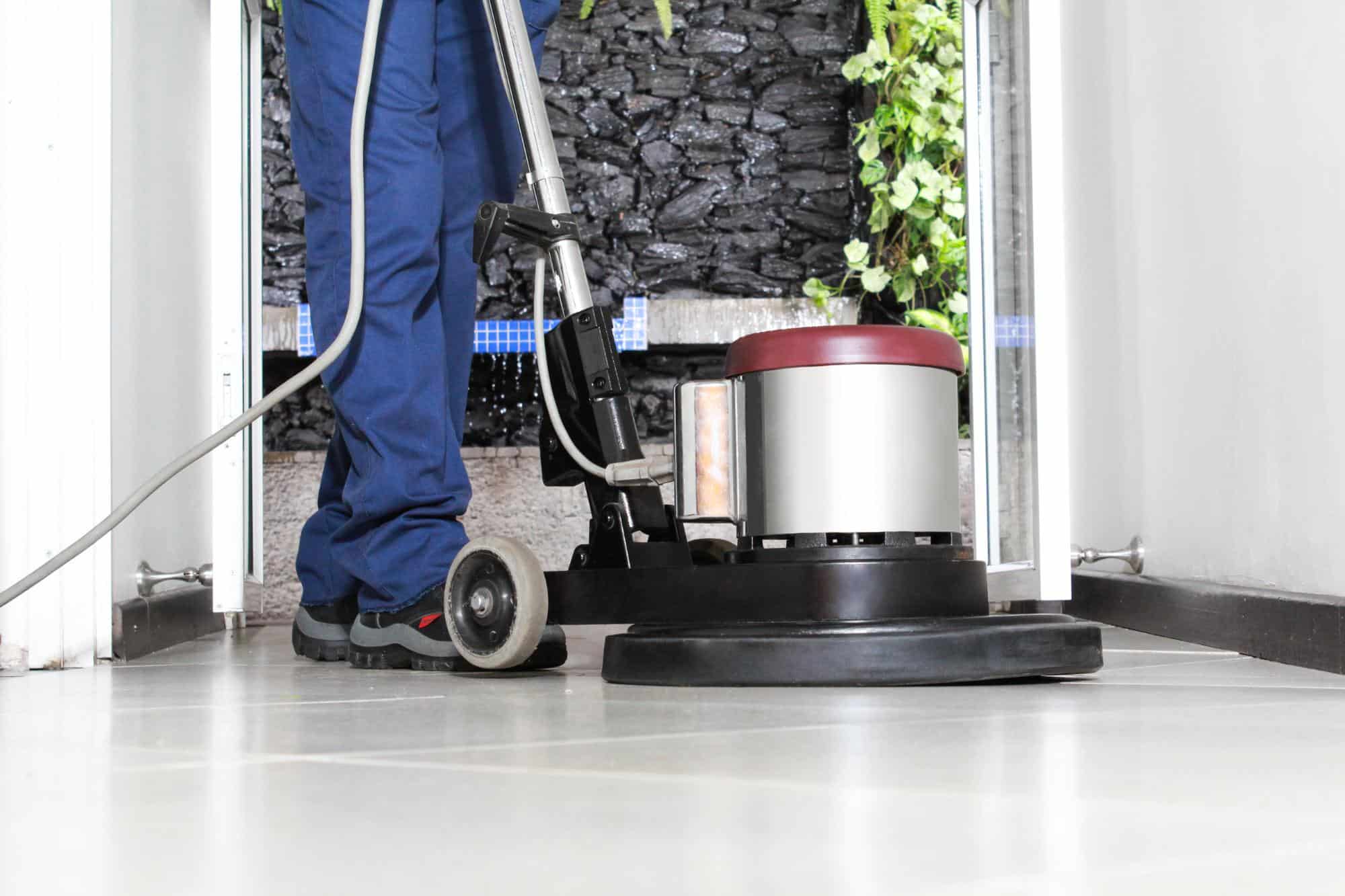
From there, the cleaning process uses pH-neutral, stone-specific products that remove contamination without introducing new chemical damage. In cases where the marble has already sustained significant etching or surface dullness from a previous winter, cleaning alone isn’t enough. That’s where diamond honing and polishing come in — a wet-sanding process that uses progressively finer abrasive pads to remove the damaged surface layer and restore the stone’s natural reflectivity.
The wet process is important for two reasons: it controls dust, which matters in an occupied commercial building, and it prevents heat buildup that can cause additional damage to the stone. Once the surface is clean and restored to an appropriate condition, the penetrating sealer goes down. Applied correctly, it needs time to absorb and cure before the floor sees foot traffic again.
For commercial lobbies in New York County, scheduling this work during off-hours or over a weekend is usually the practical approach — and it’s something worth discussing with your contractor before booking. For most commercial lobby floors, professional re-sealing should happen annually at minimum. High-traffic buildings — office towers, hotels, large residential co-ops — may need it every six months.
When Does a Manhattan Lobby Floor Need Restoration Instead of Sealing?
This is the question that comes up most often, and it’s a fair one — because the answer affects both the scope of the work and the budget required.
Sealing is a protective treatment. It works best on a marble surface that is in reasonably good condition: maybe a little dull, maybe showing early signs of wear, but not deeply etched or visibly pitted. If your lobby floor still has most of its original surface integrity and you’re scheduling service before the salt season begins, professional cleaning and sealing is likely the right call.
Restoration is what’s needed when the damage has already gone deeper. Signs that a floor has crossed that line include visible pitting or cratering in the walking path, a surface that no longer reflects light even after cleaning, white haze that doesn’t respond to cleaning, and etching that you can feel underfoot — a roughness or unevenness that wasn’t there before.
At that point, the surface layer of the marble needs to be physically removed and refinished using diamond abrasives before sealing will do anything useful. Most Manhattan lobby floors we see in the spring fall somewhere between those two scenarios. A full winter of salt exposure, combined with daily cleaning using the wrong products, tends to produce a floor that needs more than sealing but less than a full restoration.
An assessment at the start of the process — looking at the floor’s actual condition before deciding on a scope of work — is the only reliable way to know what you’re dealing with. If you’ve had a company come in before and the results didn’t last, it’s worth asking whether the surface was properly prepared before the sealer went down, and whether a penetrating sealer was used or a topical coating. Those two factors account for most of the cases where a client feels like they paid for something that didn’t hold up.
How to Protect Your New York County Lobby Marble Floor Before Winter Hits
The core takeaway is simple: the best time to protect a marble lobby floor in New York County is before the damage starts, not after. October is the window. Once the salt season is underway, you’re managing a problem that’s actively getting worse with every snowfall.
Professional marble cleaning and sealing — done correctly, with the right products and proper surface preparation — gives your floor a meaningful layer of protection against the chemical and physical damage that a New York City winter delivers. It’s not a permanent solution, but it’s a smart, cost-effective one that keeps a small maintenance expense from turning into a large restoration job.
If your lobby floor is showing signs of wear from last winter, or if you want to get ahead of this one, we at Diamond Stone Restorations Corp offer free estimates and flexible scheduling built around your building’s operations. Reach out and we’ll take a look at what your floor actually needs.