Summary:
You’ve scrubbed. You’ve sprayed. You’ve tried the baking soda trick, the bleach pen, the steam mop your neighbor swears by. And yet the grout still looks gray — or worse, it looks like it’s been that color for decades. If that sounds familiar, you’re not dealing with a cleaning problem. You’re dealing with a material problem, and that distinction changes everything.
This guide walks through what professional tile and grout cleaning actually involves, why apartments and commercial buildings in New York County have specific challenges that generic cleaning can’t solve, and how to know when it’s genuinely worth calling someone in.
Steam Clean Tile Floors: What Professionals Do That You Can't Replicate at Home
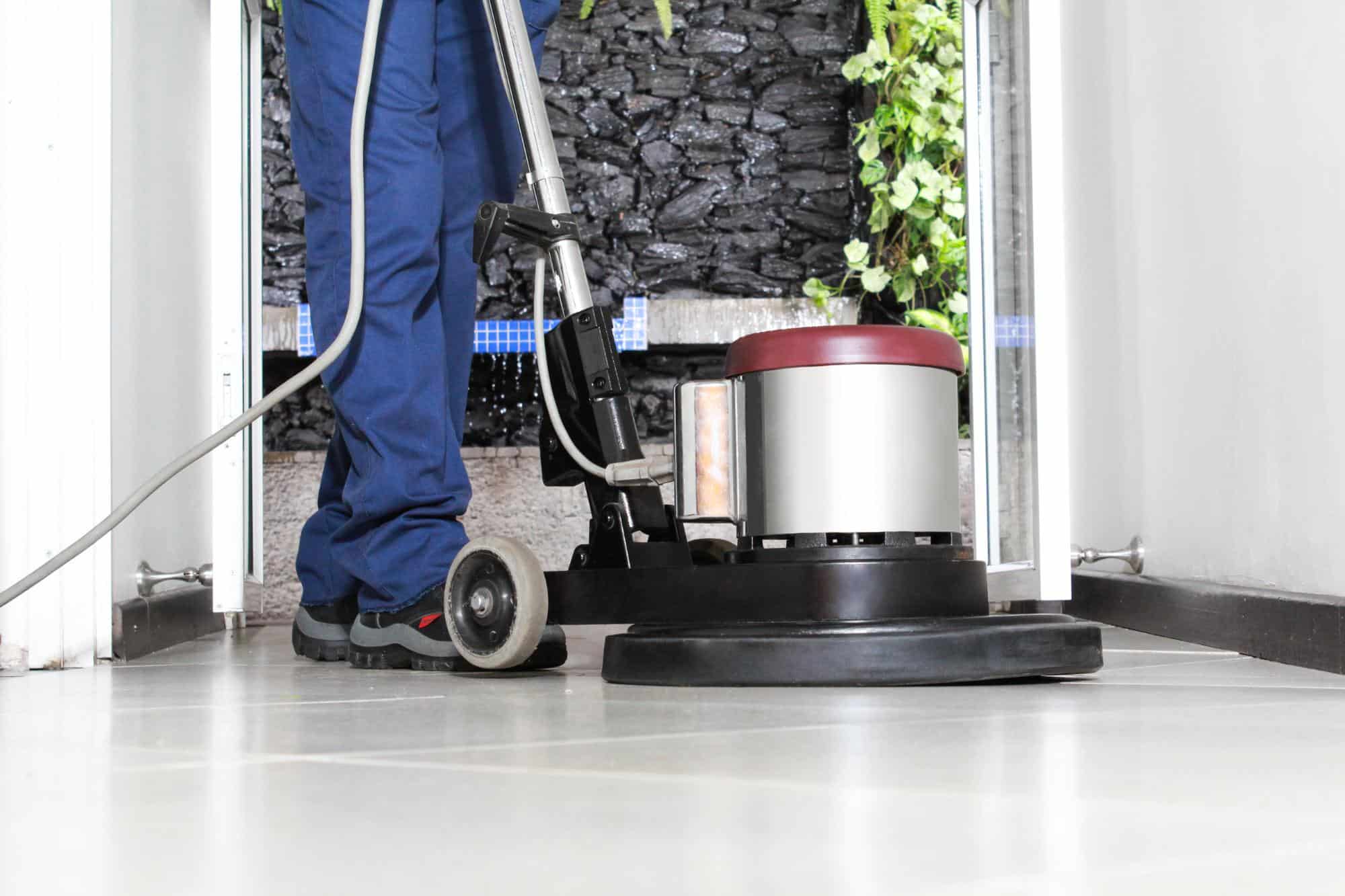
Consumer steam mops work by applying heat and moisture to a surface. Professional steam cleaning equipment does something fundamentally different — it generates temperatures and pressures that penetrate grout lines, loosen hardened mineral deposits, and extract the debris that’s been accumulating since the last time anyone did a real deep clean.
The extraction is the part that matters. Without it, you’re just moving grime around.
For tile floors in New York County — where hard water deposits calcium and mineral buildup faster than in most other U.S. markets — this distinction is especially important. A steam mop leaves that mineral film behind. A professional extraction system pulls it out.
Why Mopping Actually Makes Grout Dirtier Over Time
This is the part most people don’t expect to hear: regular mopping is one of the reasons your grout looks the way it does. Grout is porous. When you mop a tile floor, dirty water doesn’t just sit on top of the grout — it gets absorbed into it.
Each pass of the mop deposits a thin layer of suspended grime into the grout’s surface. Over months and years, those layers compound. The grout darkens. You mop again. It darkens more. It’s not a cleaning failure on your part — it’s just physics.
Porous materials behave this way, and no amount of elbow grease with a household mop changes that. The only way to reverse it is to use equipment that can actually draw that embedded contamination back out.
Professional cleaning systems — the kind we use in commercial and residential restoration work — use a combination of heat, agitation, and extraction pressure to do exactly that. The agitation works the cleaning solution into the grout’s surface; the extraction pulls the loosened material out. What comes out is often noticeably darker than what went in, which tells you something about what’s been sitting in there.
In New York County specifically, this matters more than it might in a suburban home. The water supply, while clean and safe to drink, is harder than average — meaning it carries more dissolved minerals. Every time you mop with tap water, you’re introducing those minerals to your grout. Over time, that contributes to the chalky white film that appears on darker grout and the general dullness that develops on lighter tile.
Professional cleaning addresses both the embedded grime and the mineral buildup in a single process. If your grout has reached the point where it’s harboring mold or mildew — which is extremely common in New York County apartment bathrooms given the humidity and limited ventilation — surface cleaning won’t touch it. Mold grows below the surface of grout, and getting rid of it requires the kind of treatment depth that professional equipment can reach and household products cannot.
Cleaning Grout in the Shower: Why This Room Is the Hardest to Get Right
Shower grout takes more abuse than any other tile surface in an apartment. It’s exposed to heat, steam, soap residue, body oils, hard water, and limited airflow — often daily. That combination creates conditions where mold and mildew don’t just grow on the surface but establish themselves inside the grout.
The black spots you see aren’t just a stain. They’re biological growth, and they come back after bleach spray because bleach addresses the surface color without eliminating the root cause.
This is a common frustration in New York County apartments, particularly in older pre-war buildings where bathroom ventilation is minimal and the original ceramic tile has been in place for decades. The grout in those bathrooms has absorbed years of moisture, soap scum, and hard water minerals. By the time it looks visibly dark or stained, it’s typically well past what any consumer product can fix.
Professional shower grout cleaning involves a few things that DIY can’t replicate. First, the right chemistry — not bleach, which breaks down grout material and sealants over time, but formulated cleaners designed to lift biological growth without degrading the grout itself. Second, the right agitation — working the cleaning solution into the grout lines with professional-grade tools rather than a toothbrush. Third, hot water extraction to pull the loosened contamination out rather than leaving it to resettle.
After a thorough professional clean, tile sealing the grout is what actually changes the long-term picture. Sealed grout is far less porous, which means it resists moisture absorption, mold growth, and staining. The difference between sealed and unsealed shower grout — in terms of how long it stays clean and how easy it is to maintain — is significant. One professional service with sealing can protect shower grout for years, which is a different outcome entirely from spraying bleach every few weeks and hoping for the best.
For natural stone tile in showers — marble, travertine, or similar materials found in many New York County luxury apartments and renovated co-ops — the stakes are even higher. Acidic cleaners that work perfectly well on ceramic will permanently etch natural stone. That damage is not reversible. It’s one of the strongest arguments for hiring someone who understands the material they’re working with before they start.
Bathroom Tile Cleaning in New York County: What's Different About These Buildings
New York County’s housing stock is unlike almost anywhere else. Pre-war buildings from the early 1900s through the 1940s often have original hexagonal mosaic tile, subway tile, marble thresholds, and terrazzo in common areas — materials that require a completely different approach than the ceramic and porcelain tile installed in newer construction.
Using the wrong product on any of these surfaces doesn’t just fail to clean them. It damages them, sometimes permanently.
Beyond the materials, there’s the density factor. Building lobbies and hallways in New York County high-rises experience foot traffic volumes that most markets would classify as commercial-grade. That level of use accelerates the accumulation of dirt, grit, and wear in tile and grout — and it means that what works for a suburban kitchen floor once a year may need to happen more frequently, and more thoroughly, in a New York County building.

Natural Stone Tile in New York County Apartments: Why Material Expertise Matters
Not all tile is the same, and not all cleaning methods are safe for every surface. This is where a lot of well-intentioned cleaning goes wrong — and where the difference between a specialist and a general cleaner becomes very real.
Marble, travertine, limestone, and terrazzo are calcium-based stones. They’re beautiful, they’re common in New York County’s older and higher-end buildings, and they’re chemically reactive to acid. Vinegar, citrus-based cleaners, and many off-the-shelf tile sprays are acidic. When those products contact natural stone, they cause etching — a dull, frosted damage to the surface that cannot be cleaned away because it’s not a stain. It’s physical degradation of the stone itself.
This is not a rare problem. It happens when building maintenance staff use the wrong product on a lobby floor. It happens when a homeowner reaches for a popular tile cleaner without checking whether it’s safe for stone. And it happens when a cleaning company that primarily handles carpet or vinyl applies the same products to a marble bathroom floor because they don’t know the difference.
Material-specific expertise means knowing that ceramic and porcelain tile tolerate a much wider range of cleaning chemistry than natural stone. It means understanding that terrazzo — a composite of marble chips, glass, and cement that’s common in New York County building lobbies — requires diamond honing and polishing, not scrubbing. It means using stone-safe products and techniques that clean the surface without compromising the material underneath.
For property managers and co-op boards overseeing buildings with original stone or terrazzo in common areas, this distinction is especially important. Replacing a lobby floor in New York County is an expensive, disruptive project. Maintaining it correctly — with the right cleaning approach and periodic professional restoration — is a fraction of that cost and extends the life of the surface significantly.
We work with marble, terrazzo, ceramic, porcelain, travertine, and natural stone tile across residential apartments, commercial buildings, and building common areas throughout New York County. The approach changes based on what we’re working with, because it has to.
Should You Clean It or Replace It? What Restoration Can Actually Achieve
This is the question most people are really asking when they search for professional tile and grout cleaning. The grout looks dark, the tile looks dull, and the bathroom or kitchen feels dingy no matter how often you clean it. At some point, the thought crosses your mind: maybe it’s just time to retile.
Before you go down that road, it’s worth understanding what professional cleaning and restoration can actually reverse — because in most cases, surfaces that look beyond saving are not.
Discolored grout — the kind that’s gone from white or light gray to dark brown or black — is almost always a cleaning and sealing problem, not a replacement problem. Professional deep cleaning extracts the embedded grime that changed the color in the first place. If the grout itself is structurally sound (not crumbling, not missing sections), a thorough professional clean followed by sealing will typically restore the original color or come very close to it. The transformation in before-and-after results is often striking enough that people assume the grout was replaced when it wasn’t.
Dull, hazy tile — particularly natural stone that’s lost its polish — is a restoration problem. Diamond honing and polishing can bring marble and terrazzo back to a mirror-like finish without removing or replacing the material. This is work that requires professional equipment and expertise, but it’s a fundamentally different cost than retiling.
Retiling a New York County bathroom is a significant project. The cost of materials, labor, and the disruption to a small apartment adds up quickly. Professional restoration — cleaning, sealing, and where needed, honing and polishing — can deliver a result that looks like new tile at a fraction of that investment. It’s also faster, less disruptive, and doesn’t require you to vacate your space for days.
Our approach at Diamond Stone Restorations Corp has always been built around restoration over replacement. Not because replacement is never necessary — sometimes it is — but because in the majority of cases we see across New York County, the surface can be brought back. It just needs the right process applied by someone who understands the material.
We’ve restored 40-year-old floors in six-story commercial buildings, brought pre-war apartment tile back to its original appearance, and handled marble lobby floors that building managers had written off as too far gone. The work speaks for itself, which is why over a decade of serving New York County has built the reputation we rely on.
How to Know If Professional Tile and Grout Cleaning Is Right for You
If your grout hasn’t responded to repeated DIY cleaning, if your shower tile has recurring mold that bleach only temporarily masks, or if you have natural stone surfaces that you’re not confident cleaning yourself — professional service is worth it. Not because it’s a luxury, but because the alternative is either living with the problem or eventually replacing surfaces that didn’t need to be replaced.
New York County’s buildings, materials, and conditions are specific enough that who you hire matters as much as whether you hire someone. A specialist who understands the difference between ceramic and natural stone, who deep-cleans before sealing, and who has handled everything from co-op bathrooms to commercial lobbies is a different service than a general cleaner with a steam mop.
If you’re ready to see what your tile actually looks like under years of buildup, reach out to Diamond Stone Restorations Corp for a free quote. We serve residential and commercial clients throughout New York County — and we’ll tell you honestly what the process can achieve before any work begins.