
Summary:
Most people don’t think about finish levels until they’re standing in their lobby or bathroom staring at a result they didn’t expect. The marble looks different — maybe too shiny, maybe too flat — and now they’re wondering if they can fix it. The short answer: yes, but it means starting over.
That’s the part no one tells you upfront. Marble polishing and sealing aren’t just maintenance tasks — they’re a sequence of permanent decisions. Get the finish level right before work begins, and the results last. Get it wrong, and you’re paying twice. This guide walks you through what actually matters, so you don’t have to learn it the hard way.
What Marble Tile Contractors Actually Do During Polishing and Sealing
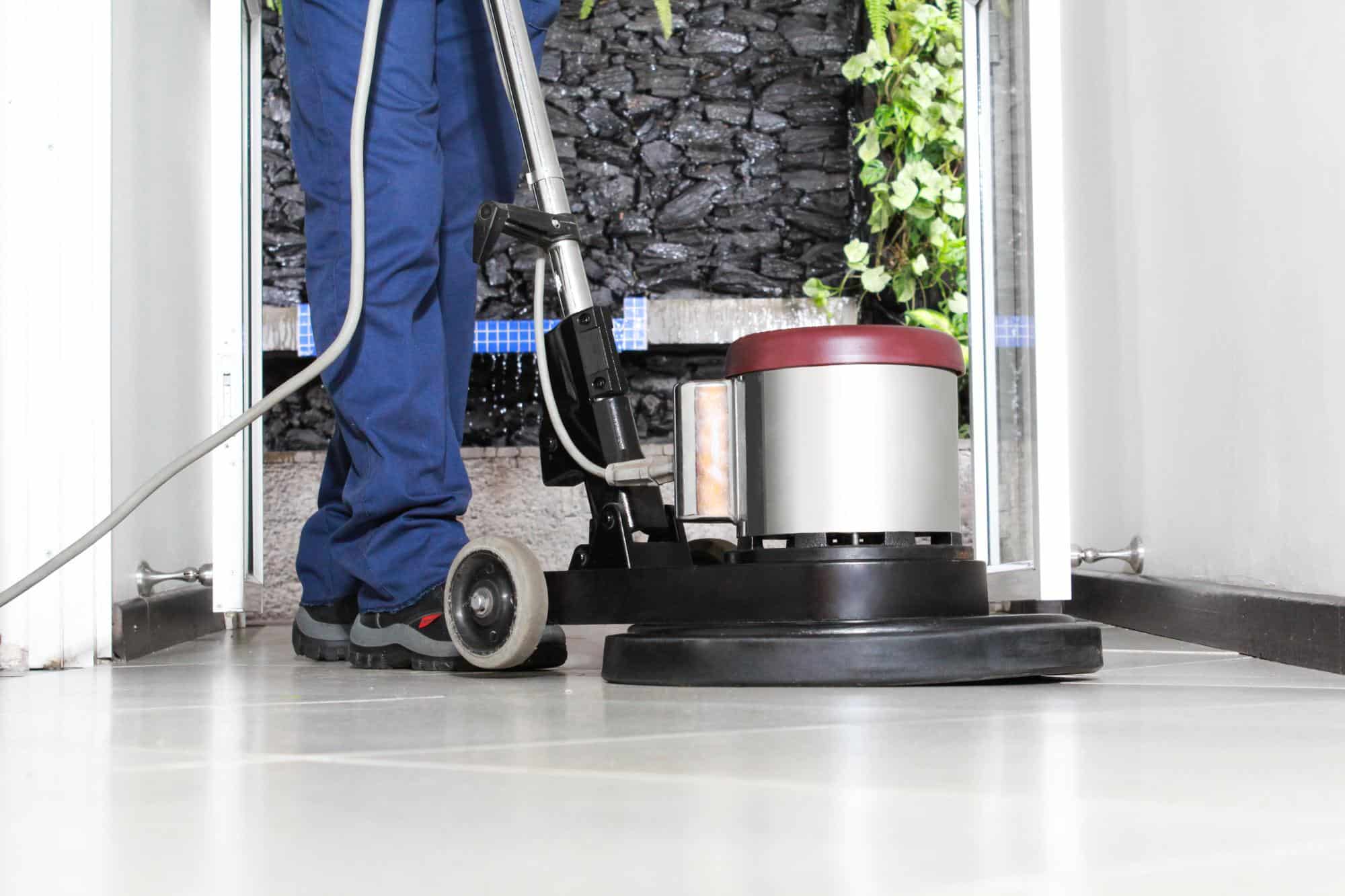
When we talk about polishing, we’re describing a physical process — not a cleaning. Diamond abrasive pads are worked across the surface in a specific sequence of grits, starting coarse to remove damage and progressing finer to build the sheen. Each grit stage removes the marks left by the one before it.
By the time we reach the highest grit, the stone is smooth, reflective, and free of the scratches and etch marks that made it look dull. Sealing comes after. Once the surface is polished and completely dry, a penetrating sealer is applied to fill the stone’s open pores — protecting against liquid absorption and staining.
These two steps are connected. The finish level you choose during polishing determines which sealer is appropriate, how often resealing is needed, and how the surface will behave over time.

Cultured Marble Restoration: Why It's Not the Same Process
Cultured marble is one of the most misunderstood surfaces in restoration work. It looks like natural marble, especially in older New York County apartments and bathrooms built in the 1970s through 1990s, but it’s a completely different material. Cultured marble is a man-made composite — polyester resin mixed with crushed limestone and coated with a gel layer on top.
That gel coat is what gives it its sheen, and it’s also what gets damaged over time. The reason this matters is that cultured marble restoration requires an entirely different approach from natural stone. You cannot run diamond polishing pads across a cultured marble surface the way you would across Carrara or Calacatta marble. The diamond abrasives will cut through the gel coat rather than refine it, causing damage that’s far more difficult to reverse.
Proper cultured marble restoration involves gel coat repair and buffing — techniques specific to that composite structure. We see this come up regularly in New York County buildings, particularly in co-op and condo bathrooms where the original vanities and shower surrounds were installed decades ago. A homeowner notices the surface looks dull or scratched, calls a restoration company, and if that company doesn’t recognize what they’re working with, the wrong process gets applied.
The result is a surface that looks worse than when they started. If you’re not sure whether your marble is natural or cultured, a quick test helps: natural marble will feel cool to the touch and have visible veining that runs through the stone. Cultured marble tends to have a slightly warmer, more uniform appearance, and the pattern doesn’t continue through the material if you look at an edge or chip.
When in doubt, ask before any work begins. We assess every surface before touching it — that’s not optional, it’s how we protect the material and your investment.
How to Choose a Marble Sealing Company That Gets the Finish Right
The finish level conversation should happen before any equipment comes out. If a marble sealing company shows up, starts working, and asks what you want at the end — that’s a problem. By then, the polishing sequence has already been run. Changing course means going back to square one.
There are three primary finish outcomes in marble polishing: honed, polished, and satin. Honed marble stops at a lower grit — typically in the 400 to 800 range — producing a smooth, matte surface with no mirror reflection. Polished marble continues through grits up to 3000 or beyond, creating the high-gloss, reflective surface most people picture when they think of marble. Satin sits between the two — more sheen than honed, less mirror than polished.
Each finish has real trade-offs that affect daily life. Polished marble is marginally more stain-resistant because the polishing process partially closes the stone’s pores. But it also shows every etch mark, scratch, and water spot more clearly. A single splash of lemon juice or wine on a high-polish surface will leave a visible dull patch. On honed marble, the same etch barely registers — the matte surface already absorbs small variations without broadcasting them.
For a New York County kitchen countertop or a busy building lobby, honed is often the more practical choice for exactly this reason. Honed marble is slightly more porous than polished, which means it absorbs liquids a little faster and needs resealing more frequently — roughly every 12 months versus every 18 months for polished surfaces. That’s a meaningful difference for building managers maintaining common areas in high-traffic properties, but it’s manageable with a regular maintenance schedule.
The sealer itself also has to match the finish. A penetrating impregnating sealer — the kind that soaks into the stone’s pores rather than sitting on top — is the right choice for honed marble. It protects without changing the matte appearance. Apply a topical sealer to a honed surface and you’ve changed the finish you paid for. This is the kind of detail that separates a specialist from someone who polishes floors as a side service.
When evaluating a marble sealing company, ask them directly: what finish options do you offer, and how does your sealing process change based on the finish? If they can’t answer that clearly, keep looking.
Marble Polishing and Sealing in New York County: What Makes This Market Different
New York County isn’t a typical market for stone restoration. The combination of pre-war building stock, high-density foot traffic, co-op board requirements, and the sheer volume of marble installed in lobbies, corridors, and apartments across the county creates conditions that most other markets simply don’t have.
A marble floor in a private home in the suburbs might need professional polishing every three to five years. That same material in a New York County lobby, taking foot traffic from dozens of residents daily — plus tracked-in road salt and grit from NYC sidewalks every winter — may need attention every one to two years. The environment accelerates wear in ways that make regular maintenance not just cosmetic, but necessary for protecting the surface long-term.

Pre-War Marble in New York County Buildings: What Restoration Actually Involves
A significant portion of New York County’s residential buildings were constructed between 1900 and 1940. Many of them feature original marble in lobbies, staircases, elevator banks, and apartment entryways — surfaces that are, in many cases, irreplaceable. You can’t walk into a showroom and order a matching slab of 1920s Italian marble. What’s there is what’s there, and it deserves to be treated accordingly.
Restoring pre-war marble requires a careful assessment before any work begins. The stone may have decades of buildup from improper cleaning products, layers of wax, or damage from previous restoration attempts using the wrong technique. Some surfaces have lippage — uneven tile edges — that needs to be addressed through grinding before honing and polishing can produce a flat, even result. Others have deep etch marks or staining that requires specific chemical treatment before the diamond polishing sequence can begin.
We work in New York County buildings regularly, and the logistics matter as much as the technique. Building access, elevator usage windows, noise restrictions, and the need to protect surrounding surfaces and common areas are all part of the job. Our water-fed diamond polishing systems with built-in vacuum collection capture virtually all dust and debris during the process — which isn’t just about cleanliness, it’s about being a responsible contractor in a shared building environment. Residents on adjacent floors shouldn’t know the work is happening.
For building managers and property management companies, this is the standard they should be holding restoration contractors to. If a company can’t explain their dust containment process, or if they’re planning to work without protecting the building’s common areas, that’s a conversation worth having before they start.
Common Questions About Marble Polishing and Sealing — Answered Honestly
**Does sealing prevent etching?** This is probably the most widespread misconception in marble care. Standard penetrating sealers protect against staining — they slow down liquid absorption and give you time to wipe up a spill before it soaks in. They do not prevent etching. Etching is a chemical reaction between the marble’s calcium carbonate and acids — lemon juice, vinegar, wine, many household cleaners. That reaction happens at the surface level regardless of whether the stone is sealed. Only specialized anti-etch treatments address this, and they’re a separate conversation from standard sealing.
**How long does marble polishing and sealing take?** It depends on the scope. A bathroom vanity or small countertop can often be completed in a few hours. A lobby floor or large kitchen requires more time — the diamond polishing sequence can’t be rushed without compromising the finish. We assess each project individually and give you a realistic timeline before work begins, not after.
**How much does marble polishing and sealing cost in New York County?** Professional marble polishing in New York County typically runs $10 to $25 per square foot depending on the condition of the surface and the finish level involved. A kitchen countertop that needs sanding, polishing, and sealing generally falls in the $1,500 to $3,000 range. A hone and seal for a matte finish typically runs $900 to $1,800. These are market ranges — your specific project will depend on what the surface actually needs, which is why we start with a free assessment rather than a flat quote.
**How often does marble need to be resealed?** Honed marble should be resealed approximately every 12 months under normal residential use. Polished marble holds up a bit longer — closer to 18 months. High-traffic commercial surfaces, like lobby floors in New York County buildings, may need attention more frequently. We’ll tell you exactly what to expect for your specific surface and use case when we assess the project.
**Can you change the finish after the fact?** Yes, but it’s not a minor adjustment. Converting a polished finish to honed means restarting the diamond polishing sequence from a lower grit — essentially redoing the job. This is why we have the finish level conversation before any work begins. It’s not a formality. It’s the decision that determines everything that follows.
Ready to Get Your Marble Polished and Sealed the Right Way?
The finish level decision isn’t aesthetic preference alone — it’s a technical choice that affects how your marble wears, how visible damage will be, how often it needs resealing, and what kind of sealer is appropriate. Getting it right the first time saves you from the cost and frustration of starting over.
In New York County, where original marble surfaces are often irreplaceable and building environments add real complexity to the work, this matters more than it does almost anywhere else. The right contractor doesn’t just show up with equipment — we assess the surface, walk you through your options, and agree on the outcome before a single pad touches the stone.
If your marble is looking dull, etched, or just not what it used to be, Diamond Stone Restorations Corp offers a free quote to start. No pressure, no guesswork — just a clear look at what your surface needs and what the result will actually look like.
]