Summary:
You’ve probably walked past your marble floors a hundred times this fall and thought, “I really need to do something about that.” The dullness. The faint scratches near the entryway. The cloudy ring on the kitchen counter that’s been there since last Thanksgiving. The holidays have a way of turning a vague intention into an actual deadline — and if you’re in New York County, that deadline comes fast. Between Thanksgiving dinners, holiday parties, and New Year’s gatherings, your marble is about to see more foot traffic, more food, and more wine than it has all year. Here’s how to get ahead of it.
Marble Cleaning and Sealing: What to Do in the First Two Weeks
The first thing to do — before anything else — is figure out where your marble actually stands. There’s a simple test for the sealing question: pour a small amount of water on the surface and watch what happens. If it beads up, your sealant is still doing its job. If it soaks in or darkens the stone within a few minutes, you’re overdue for resealing.
In New York County, especially with hard water and busy kitchens, that answer is often “overdue.” Weeks five and six before your first holiday gathering are the right time to assess and schedule. Not because it takes that long to complete the work, but because professional restoration in the New York County area books out quickly in October and November. The homeowners who wait until two weeks before Thanksgiving are usually the ones who can’t get an appointment.

What Professional Marble Cleaning and Sealing Actually Does
This is where a lot of people get tripped up. They’ve tried a marble spray from the hardware store, or a polish they found online, and the results were underwhelming — or worse, left a hazy film on the surface. The problem isn’t that they didn’t try hard enough. It’s that consumer-grade products are fundamentally different from professional-grade ones.
The sealers available at most hardware stores are topical coatings. They sit on the surface of the marble rather than bonding with it. They wear off relatively quickly, especially in high-traffic areas or kitchens where the surface is wiped down daily.
A professional-grade penetrating sealer works differently — it absorbs into the stone’s pores and chemically bonds with the marble itself, creating a barrier that resists water, oil, and the acidic spills that are essentially guaranteed during holiday cooking. We apply two coats of sealer as our standard — not one, which is what most companies do. That extra coat matters, especially on kitchen countertops and bathroom marble that sees daily use.
Our proprietary Safe Marble Solution is food-contact certified, which means you can prep food on a sealed countertop without any concern about what’s in the sealer. That’s not something you can say about every product on the market.
Professional cleaning before sealing also removes the mineral deposits and embedded grime that regular mopping leaves behind — particularly relevant in New York County, where hard water is a persistent issue. The local water supply has enough mineral content that bathroom marble and kitchen countertops develop a hazy buildup over time that no amount of wiping will clear. Deep cleaning before sealing means the sealer bonds to clean stone, not to a layer of mineral residue.
The cleaning and sealing process itself is typically completed in a single visit. For most New York County homes, we’re talking about a few hours of work, not a multi-day disruption. After sealing, the surface needs time to cure before it sees heavy use — usually 24 hours — so timing matters. Booking in weeks five or six gives you plenty of buffer before the first guests arrive.
What the Holidays Actually Do to Unsealed Marble
It’s worth being specific about the risk, because “marble is delicate” is the kind of vague warning that’s easy to dismiss. Here’s what actually happens during a typical New York County holiday gathering on unsealed or under-sealed marble.
Wine is one of the most common culprits. Red wine is acidic enough to etch marble on contact — meaning it doesn’t just stain, it chemically reacts with the calcium carbonate in the stone and leaves a dull, slightly rough mark that no cleaner will remove. The same goes for lemon juice, vinegar-based dressings, tomato sauce, and sparkling water, which is mildly acidic. If you’re making mulled wine or a citrus punch, your marble countertop is at real risk.
On the floor side, the issue is grit and salt. From November through March, New York County streets are treated with de-icing chemicals and road salt. That material gets tracked inside on shoes and boots, and it’s genuinely damaging to polished marble — salt is mildly acidic, and the fine grit acts as an abrasive that scratches the surface with every step. A busy holiday party in a New York County home can do real damage to an unsealed marble floor in a single evening.
The fix for all of this isn’t complicated, but it does require timing. A properly sealed marble floor and properly sealed countertops going into the holidays are dramatically more resistant to all of the above. Etch marks can still occur on sealed marble, but the sealer slows the reaction and gives you a window to blot and clean before damage sets in. On unsealed marble, the reaction is immediate.
If you’ve already noticed etch marks — those white, dull rings or patches that don’t wipe off — that’s a different conversation. Sealing won’t fix them. That requires polishing.
Polishing Marble Countertops Before Guests Arrive
Etch marks are probably the most misunderstood problem in marble care. Most people assume they’re stains — something that a better cleaner will eventually lift. They’re not. An etch mark is physical damage to the stone’s surface, caused by an acid reacting with the marble and eating into the top layer. No cleaner touches it. No sealer covers it. The only way to remove an etch mark is to physically polish away the damaged layer and restore the surface beneath.
In New York County’s open-plan homes, marble countertops are front and center when guests are over. They’re where people gather, where food gets laid out, where drinks get poured. A countertop covered in dull rings and cloudy patches is hard to ignore. Polishing before the holidays is the one step that actually fixes the problem — not masks it.
How Marble Polishing and Sealing Work Together
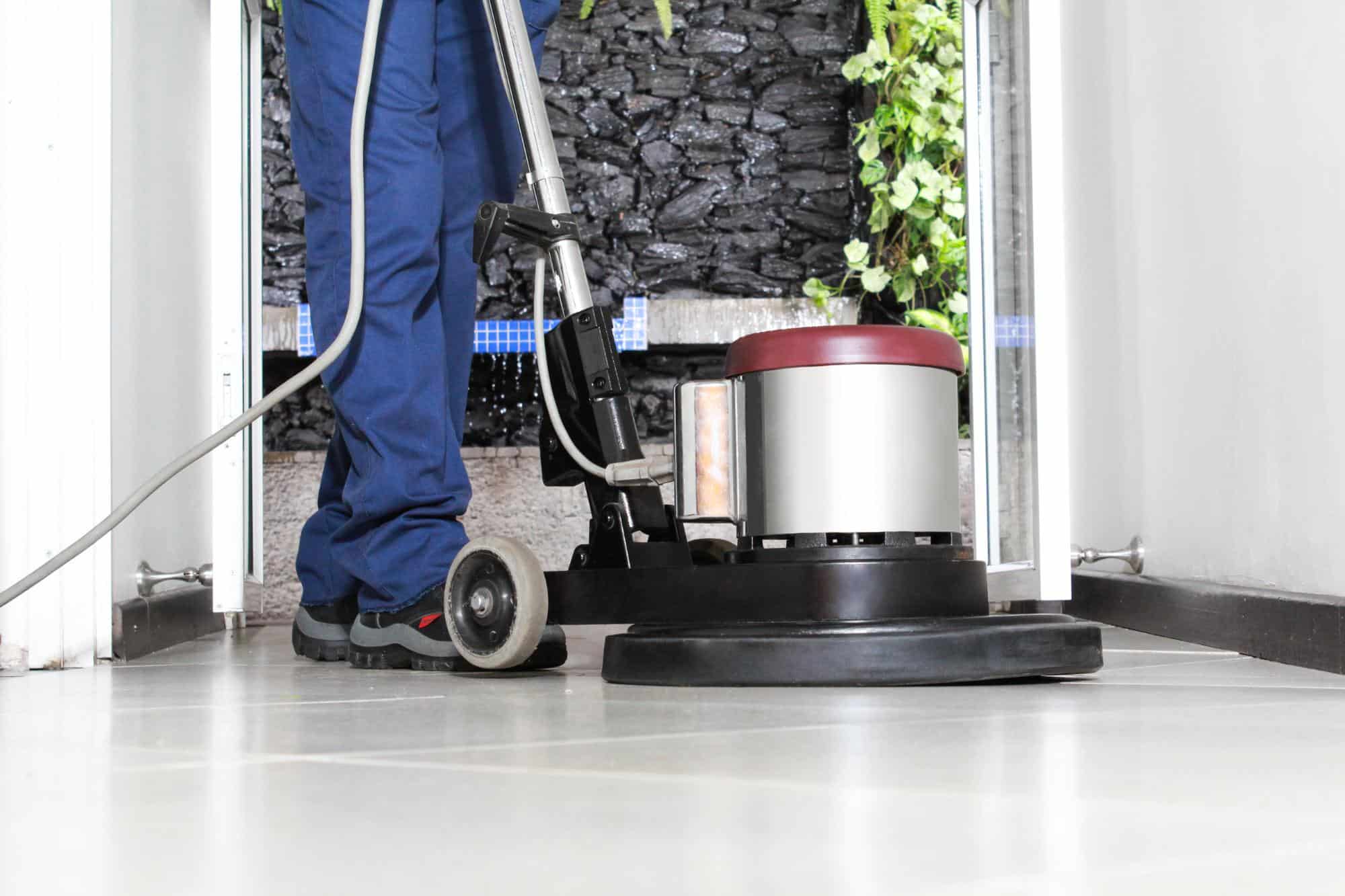
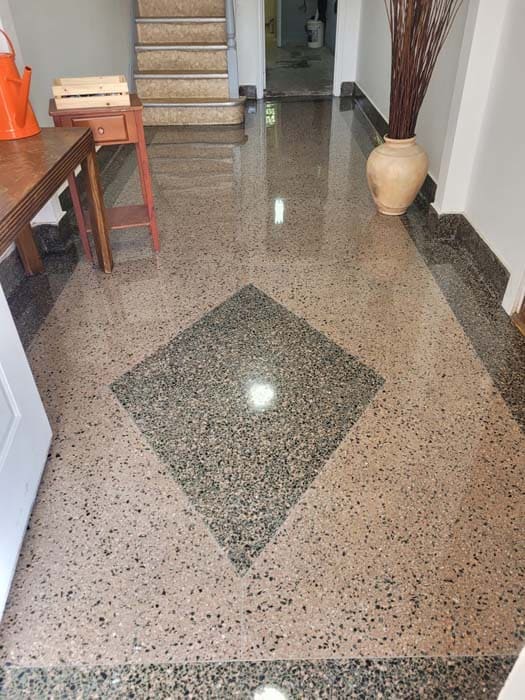
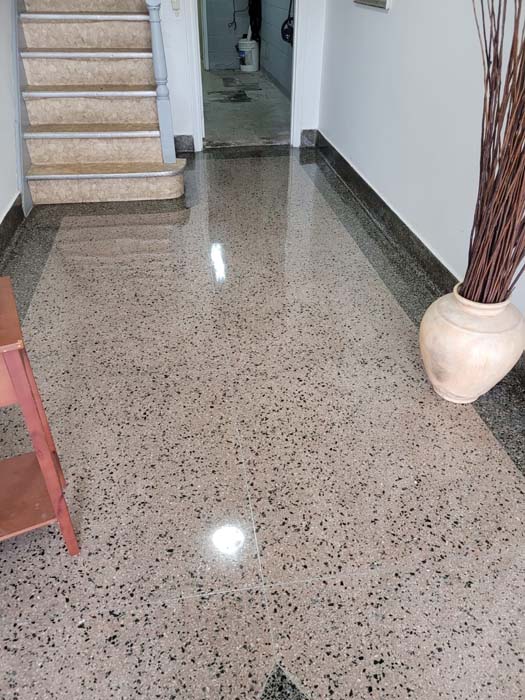
Polishing and sealing are two separate steps that accomplish different things, and they have to happen in the right order. a href=”https://dsr-corp.com/services/marble-polishing/”>Marble polishing comes first. It’s a multi-stage process using progressively finer diamond abrasive pads that physically remove the damaged surface layer of the marble and restore the reflective finish beneath. This is what brings back the mirror-like shine that dull or etched marble has lost. It’s also what removes light scratches from floors and the cloudy rings on countertops.
Once the surface is polished and clean, sealing locks in that result and protects it going forward. Think of polishing as restoring the marble to where it should be, and sealing as keeping it there. Doing one without the other is a missed opportunity — polishing without sealing leaves the restored surface exposed to the same damage that dulled it in the first place.
For countertops specifically, the timeline is important. Most professional polishing and sealing projects for a standard New York County kitchen or bathroom complete in a single day. The marble needs to cure after sealing before it’s back in full use, so scheduling this in weeks three or four before your first holiday event gives you comfortable margin. Weeks one or two before a major gathering is cutting it close, especially if your building has contractor access restrictions — which most New York County co-ops and condos do.
It’s also worth knowing what polishing can and can’t do. For light to moderate etch marks and surface scratches, polishing restores the marble fully. For deeper damage — gouges, cracks, or very heavy etching — the process may involve honing first (a coarser step that levels the surface) before polishing. Either way, the result is typically far better than most people expect. We’ve restored surfaces that homeowners were convinced needed to be replaced, and the difference is dramatic.
The Week-by-Week Marble Care Plan for New York County Homeowners
Here’s how the six weeks actually break down in practical terms for a New York County homeowner preparing for holiday entertaining.
**Weeks six and five:** Assessment and booking. Do the water bead test on your marble floors and countertops. If the water absorbs into the stone rather than beading on the surface, resealing is overdue. Look at your countertops in good light — any dull patches, rings, or areas where the shine is gone are etch marks that polishing will address. This is also when to contact us, because late October and early November is when the calendar starts filling up.
**Weeks four and three:** Professional work should happen now. Polishing first if needed, then sealing. Most residential projects complete in one to two days. Your building’s management office may require a certificate of insurance from any contractor working in the building — a standard requirement in New York County co-ops and condos — so confirming that paperwork is in order before scheduling saves time.
**Weeks two and one:** Maintenance and protection. After professional sealing, your marble is in the best shape it’s been in months. The job now is keeping it that way going into the holidays. Use a pH-neutral cleaner for any cleaning — not vinegar, not citrus-based sprays, not anything acidic. Put down entry mats at your front door to catch the salt and grit that New York County streets deposit on shoes from November onward. If you’re cooking with acidic ingredients, keep a clean cloth nearby and blot spills immediately rather than wiping, which spreads the liquid across more surface area.
**The final week:** A light cleaning with a damp mop or cloth is all your marble needs. If you’ve done the work in the weeks prior, you’re in good shape. The goal of this whole plan is to not be scrambling in the 48 hours before Thanksgiving trying to fix something that needed a professional six weeks ago.
Getting Your New York County Marble Ready Before the Holiday Rush
Marble floors and countertops in New York County homes take real punishment — hard water, winter salt, acidic spills, and heavy foot traffic are year-round realities. The holidays just compress all of that into a few high-stakes weeks. The homeowners who come out of the season with their marble in good condition are the ones who addressed it before the first guests arrived, not after.
If you’ve been putting this off, six weeks is genuinely enough time to do it right — but the window is narrower than it feels. Professional restoration books out, buildings have contractor access requirements, and sealing needs cure time before your marble sees holiday traffic.
We work with residential and commercial clients throughout New York County and the broader NYC area. If you’d like to talk through what your marble actually needs before the holidays, we offer free quotes and can assess your surfaces before recommending any work.