Summary:
Why Sealing Matters After Stone Restoration
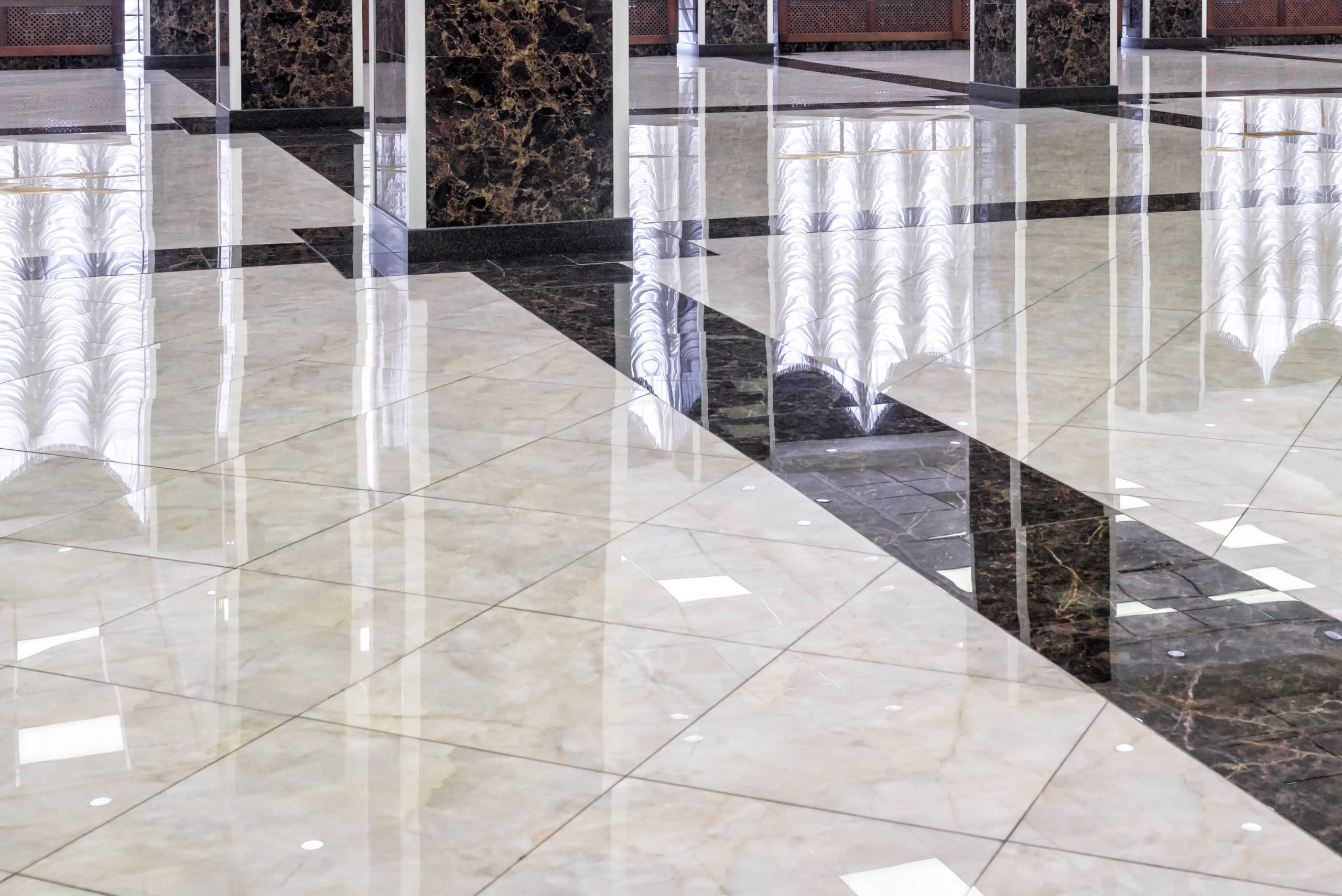
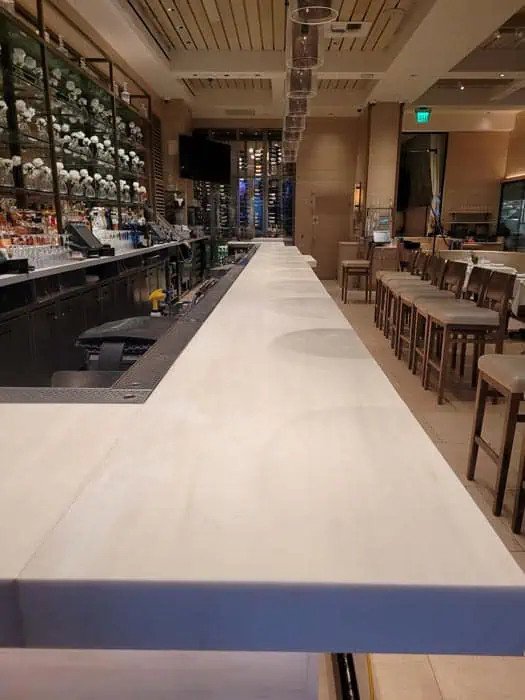
Once stone is cleaned, polished, and repaired, sealing helps protect that finish. Natural materials like marble, granite, and terrazzo are porous, which means they easily absorb spills, moisture, and grime. Without a protective sealant, the newly restored surface may stain or etch again, undoing the results of your stone restoration. In high-traffic areas of Manhattan or kitchens in Astoria homes, sealing acts as an invisible barrier that defends against everyday wear. Whether it’s marble restoration in a hotel lobby or granite restoration in a residential kitchen, sealing completes the process and makes your investment last.
Sealing Helps Prevent Stains and Etching
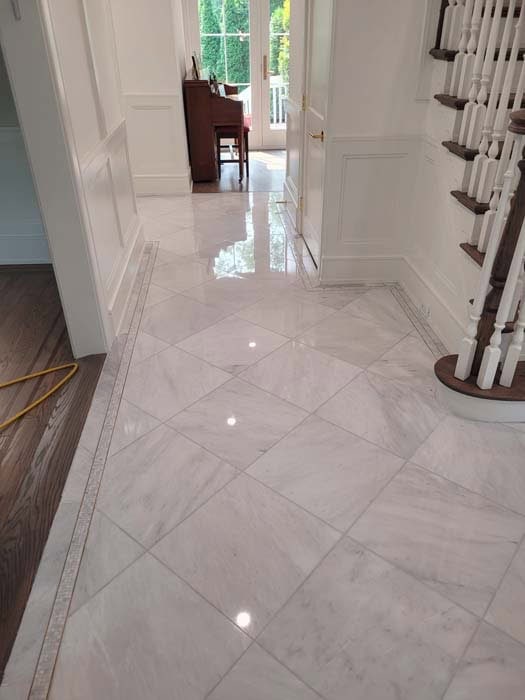
Marble and limestone are especially sensitive to acidic liquids like wine or citrus juice. An installed seal slows down absorption, giving you time to clean up spills before permanent damage occurs. It also resists water rings and soap buildup in bathrooms or showers.
Sealing Enhances Finish and Color
Besides protecting the surface, sealing also upgrades the natural tone and depth of stone. It gives restored marble a soft glow, brings out the richness of granite, and preserves the speckled beauty of terrazzo. Stone sealing supports long-term visual in both residential and commercial spaces.
How Often Should You Reseal After Restoration?
The ideal resealing schedule depends on the type of stone, its location, and the amount of use it receives. In general, sealing should be repeated every 12 to 24 months. Marble surfaces in high-traffic Manhattan office lobbies or commercial buildings may need sealing more frequently, sometimes every 6 to 12 months. Granite surfaces in Astoria homes may go longer between treatments due to their density. The more porous the stone and the more frequently it’s cleaned, the sooner resealing is needed. A simple water drop test (if water quickly darkens the stone) can also help indicate when it’s time to reseal.

Sealing Frequency Based on Stone Type
The recommended resealing frequency varies by stone type. Marble typically requires resealing every 6 to 12 months, while granite can usually go 1 to 2 years between treatments due to its lower porosity. Terrazzo should be resealed annually in high-use areas to maintain its structure. More porous stones like limestone and travertine also benefit from resealing every 6 to 12 months. For the best results, your stone care provider can recommend a resealing schedule based on your surface type, usage, and environment.
Pair Sealing with Routine Stone Maintenance
Sealing is most effective when combined with regular stone cleaning and occasional stone polishing. Avoid using harsh chemicals or acidic cleaners that can strip away the sealant. A consistent natural stone care routine, including proper mopping and wipe-downs, can prolong the time between resealing appointments and results of your stone restoration.
Protect Your Stone Investment with Timely Sealing
Sealing is important after stone restoration and how often it should be done retains your stone’s appearance and resistance to damage. Whether you’ve completed granite restoration in your kitchen or terrazzo restoration in a busy hallway, don’t skip this final step. If you’re unsure about your resealing schedule or need help with long-term stone maintenance in Manhattan or Astoria, contact Diamond Stone Restorations Corp today for professional care.