Summary:
Most people searching for tile floor sealing costs in New York County, NY hit the same wall: vague estimates, contractor sites with no numbers, and aggregator pages quoting national averages that don’t reflect what you’re actually going to pay in Manhattan. So let’s skip the runaround. This page gives you real price ranges broken down by tile type, room size, and project scope — along with honest context on when sealing makes sense, how long it lasts, and what happens if you put it off. By the end, you’ll know exactly what questions to ask and what a fair quote looks like.
What Does Tile Floor Sealing Cost in New York County, NY?
In New York County, NY, professional tile floor sealing typically runs between $1.75 and $6.25 per square foot, depending on the tile material, the condition of the grout, and whether cleaning is included before the seal goes down. That range is wide for a reason — a dense porcelain kitchen floor and a porous marble bathroom are completely different jobs, and pricing them the same would be misleading.
For most residential projects in New York County, a bathroom comes in around $200 to $300, and a kitchen floor lands closer to $300 to $400. Larger or more complex projects — think a pre-war lobby with original terrazzo, or a multi-room natural stone floor — can run from $400 to $500 or more. These aren’t ballpark guesses; they reflect what projects in this market actually cost.
How Tile Type Changes the Price: Marble vs. Ceramic vs. Porcelain
The single biggest variable in tile sealing cost isn’t the square footage — it’s what the tile is made of. In New York County, NY, where pre-war buildings are full of marble, slate, and terrazzo, that distinction matters more than it would in most other markets.
Natural stone tiles — marble, travertine, slate, limestone — are porous. They absorb moisture, staining agents, and grime at a rate that ceramic and porcelain simply don’t. That porosity means they need a penetrating sealer, not a surface coating, and they typically need resealing every two to three years in high-traffic spaces. The sealing process itself is also more involved: the surface has to be thoroughly cleaned and, in some cases, honed or polished before the sealer goes on. You can’t cut corners on prep with marble. If you seal over embedded dirt or soap scum, you lock it in permanently.
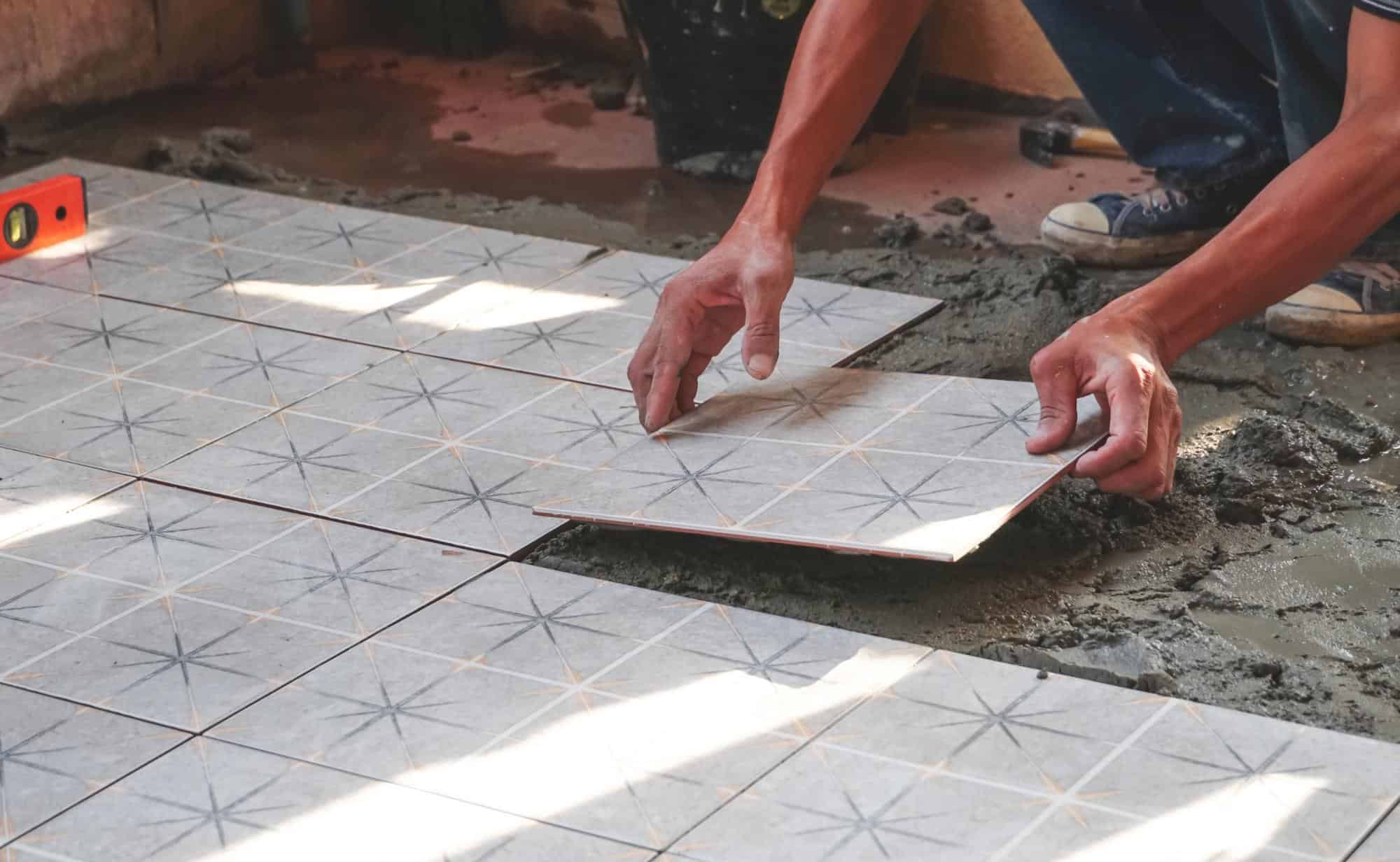
Ceramic tile sits in the middle. It’s less porous than natural stone, so it holds a seal longer — but the grout lines between ceramic tiles are still highly porous and almost always need sealing even when the tile itself doesn’t. This is a common point of confusion. The tile looks fine, the grout is dark and stained, and people assume the whole floor needs to be replaced. Usually, it doesn’t. A professional clean-and-seal job handles it.
Dense porcelain is the least porous of the three. The tile surface itself often doesn’t require sealing at all. But again — the grout does. Grout sealing alone runs roughly $0.30 to $0.50 per square foot in materials, with labor adding another $1 to $2 per square foot depending on the job. For a standard New York County, NY bathroom, that’s a relatively modest cost compared to what deferred maintenance leads to down the road.
Before anyone quotes you a price, they should be asking what kind of tile you have. If they don’t, that’s a signal worth noting.
Sealing vs. Replacing Tile in New York County, NY: The Cost Math That Changes the Conversation
Here’s the number most people don’t have when they’re deciding whether to reseal or replace: tile replacement in New York County, NY costs between $15 and $25 per square foot, once you factor in labor and materials. Professional tile sealing runs $2 to $4 per square foot for most projects. On a 200 square foot kitchen floor, that’s the difference between spending $400 to $800 versus $3,000 to $5,000.
That gap is why restoration-over-replacement isn’t just a marketing phrase — it’s a financially rational position, especially in a market where interior surfaces carry real dollar value. Manhattan real estate is expensive to maintain and even more expensive to renovate. When a floor can be cleaned, sealed, and restored to a condition that rivals its original state, replacement becomes hard to justify.
We’ve seen this play out repeatedly with building managers who come to us after getting a quote from a contractor recommending full tile removal. In several of those cases, what looked like a failing floor was actually a floor that hadn’t been sealed or properly maintained in years. The damage was cosmetic, not structural. A thorough professional cleaning followed by a penetrating sealer — the kind that absorbs below the surface rather than sitting on top of it — brought the floor back completely.
This matters especially for co-op and condo boards in New York County, NY, where lobby floors and common-area tile are shared assets that affect building-wide property values. Replacing a lobby floor is a major capital expenditure that requires board approval, contractor bids, and significant disruption to residents. Sealing and restoring that same floor is a maintenance line item. The cost difference is not marginal — it’s often a factor of ten or more. Building boards that understand this math tend to schedule regular sealing as a matter of policy, not as a reactive fix.
Marble Polishing Cost Per Square Foot in New York County, NY
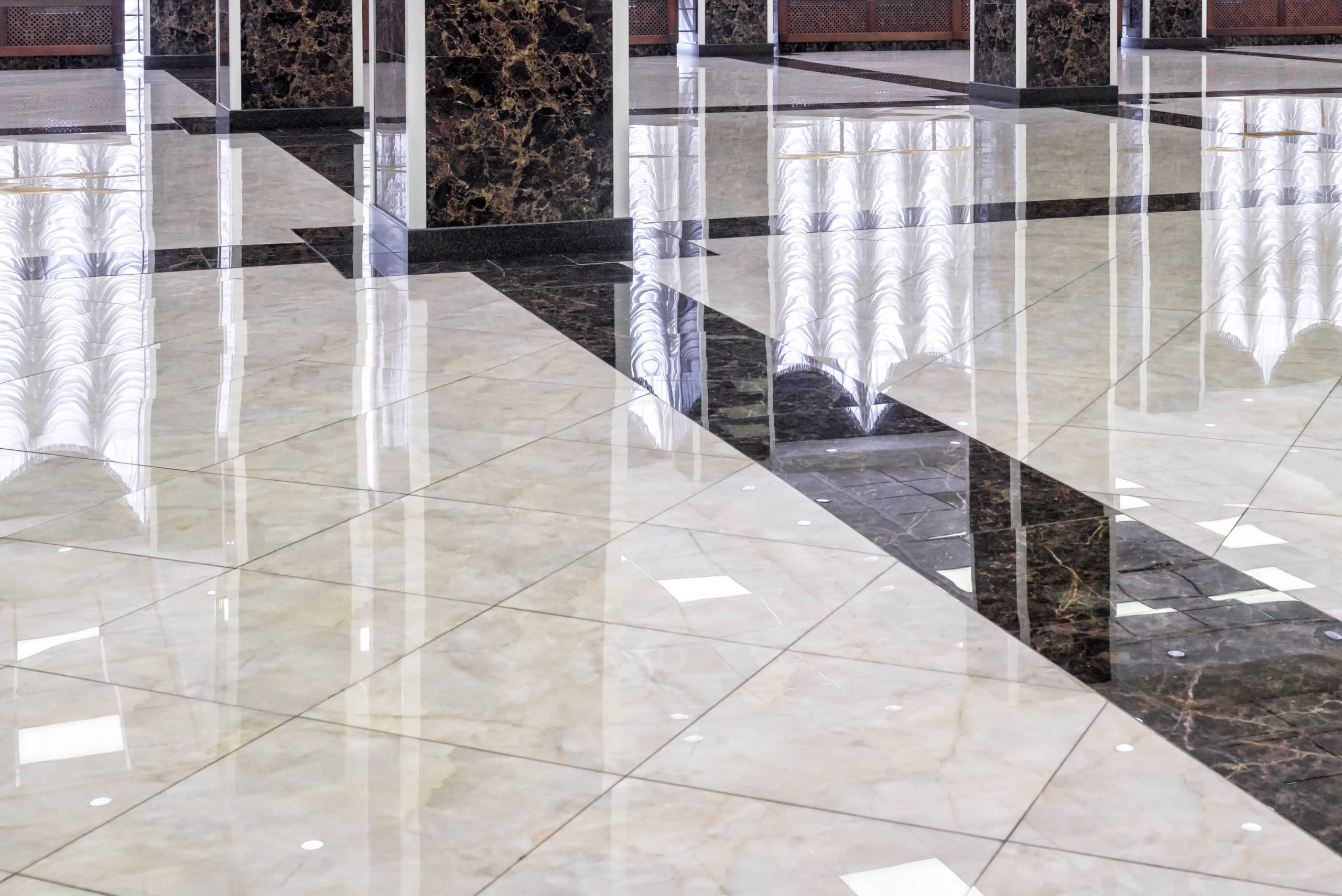
Marble polishing and marble sealing often go together — especially in New York County, NY, where marble floors in pre-war buildings have frequently been neglected for decades. Polishing removes the surface scratches, dullness, and etching that accumulate over time; sealing then protects the restored surface from moisture and staining going forward. Done together, they’re the most complete form of marble floor maintenance available.
In New York County, NY, the average cost for professional marble polishing runs between $1,047 and $1,130 for a typical project, based on data from over 1,700 completed jobs in the area. On a per-square-foot basis, marble floor restoration typically falls in the $1 to $3 range, while more intensive stone restoration work can run $5 to $15 per square foot depending on the condition of the surface and the scope of the process.
What's Included in a Professional Marble Polishing Service?
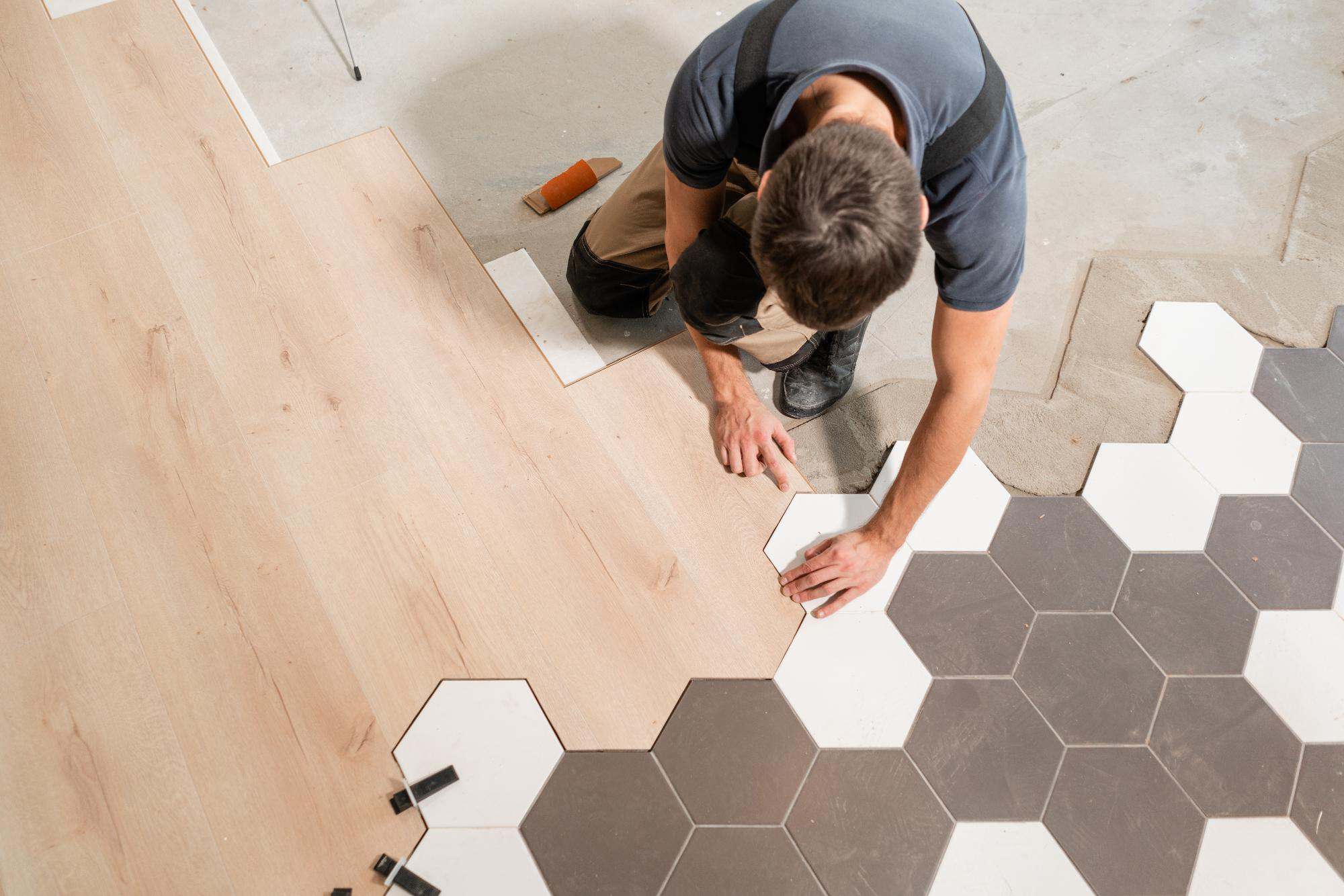
Marble polishing isn’t a single step — it’s a sequence, and the quality of the outcome depends on how carefully each stage is executed. The process typically starts with a thorough surface assessment to identify scratches, etching, staining, and any areas where the stone has been worn unevenly. That assessment determines which grit of diamond abrasive pad to start with, and how many stages of progressive polishing the floor needs before it reaches the finish level you want.
The polishing itself works by moving through increasingly fine diamond pads, each one removing the micro-scratches left by the previous stage. Done correctly, this produces a surface that reflects light evenly — what customers often describe as a mirror-like finish. Done incorrectly, or skipped in favor of a topical coating that mimics shine without actually restoring the stone, the result looks good for a few weeks and then fades.
After polishing, sealing is the final protective step. For marble, this means a penetrating sealer — one that absorbs into the stone rather than forming a film on top of it. Penetrating sealers last significantly longer than surface coatings and don’t yellow, peel, or trap debris underneath. In high-traffic areas like New York County, NY lobby floors or hotel corridors, that longevity is the difference between a seal that holds for three to five years and one that needs reapplication every twelve months.
Professional refinishing, when done with the right process and the right materials, can extend the functional life of a marble floor by up to 15 years. For a building that’s weighing restoration against replacement, that timeline reframes the entire cost conversation.
How Do You Know When Your Tile or Marble Actually Needs Resealing?
There’s a simple test that gives you a reliable answer in about thirty seconds. Pour a small amount of water onto the tile surface — about a tablespoon — and watch what happens. If the water beads up and sits on top, the seal is still intact. If it soaks in and darkens the tile or grout within a few minutes, the sealer has worn down and the surface is exposed.
That’s the water bead test, and it works on marble, natural stone, ceramic, and grout alike. For most high-traffic tile floors in New York County, NY — kitchens, bathrooms, building lobbies — resealing every one to three years is the standard maintenance window. Natural stone surfaces like marble and travertine tend toward the shorter end of that range because of their higher porosity. Lower-traffic areas can stretch to three to five years between professional sealings, but the water bead test is always a more reliable guide than a fixed schedule.
What happens if you skip resealing? Grout begins absorbing everything it contacts — water, cleaning chemicals, foot traffic grime, food residue in kitchens. Once grout is deeply stained, cleaning it becomes significantly more difficult and expensive. In bathrooms, unsealed grout is a direct pathway for moisture intrusion, which leads to mold growth behind tile and, eventually, substrate damage that turns a maintenance issue into a structural one. In New York County, NY co-op buildings, that kind of damage in a shared bathroom wall can affect neighboring units — a problem that’s orders of magnitude more expensive than a routine resealing appointment.
Sealing over dirty tile or grout locks in whatever is already embedded in the surface. This is the most common DIY mistake. Consumer-grade sealers applied without professional-grade cleaning beforehand produce results that disappoint — and in some cases, make the surface harder to properly restore later. Professional cleaning before sealing isn’t an upsell. It’s the step that makes the sealing actually work.
Getting a Fair Quote for Tile Sealing in New York County, NY
The short version: professional tile floor sealing in New York County, NY runs $1.75 to $6.25 per square foot depending on material and scope. Most residential bathroom and kitchen projects fall between $200 and $500. Marble polishing, when needed alongside sealing, averages $1,047 to $1,130 for a typical New York County, NY project. And in every case, sealing costs a fraction of what tile replacement costs — which in this market runs $15 to $25 per square foot.
If you’re a homeowner in New York County, NY trying to figure out whether your floors are worth restoring, or a property manager building a maintenance budget before the fall board review, those numbers give you a real starting point. The next step is a site assessment — because the condition of your specific tile and grout is what determines the actual scope of the job.
We at Diamond Stone Restorations Corp offer free estimates with no obligation, and we typically respond within 24 to 48 hours. If you’re not sure what your floors need, that’s exactly what the estimate is for.