Summary:
If you’ve been searching for marble restoration cost and finding numbers that feel disconnected from reality, that’s because most cost guides are built on national averages — figures pulled from markets in Virginia, the Midwest, or suburban areas where labor rates, building logistics, and material expectations are nothing like what you’ll encounter in New York County.
This guide is different. We’re based at 25-43 14th St in Astoria, right here in New York County, and we work in the exact buildings you’re thinking about — pre-war co-ops, mid-century lobbies, residential bathrooms, and commercial spaces throughout Queens and Manhattan. Here’s what marble restoration actually costs in this market, and what drives those numbers.
Marble Floor Restoration Cost: What New York County Homeowners and Property Managers Actually Pay
For most marble floor restoration projects in New York County and the broader NYC area, you’re looking at a range of $10 to $20 per square foot. That covers diamond honing, polishing, stain removal, and sealing — the full process that takes a worn, etched surface back to something close to its original condition.
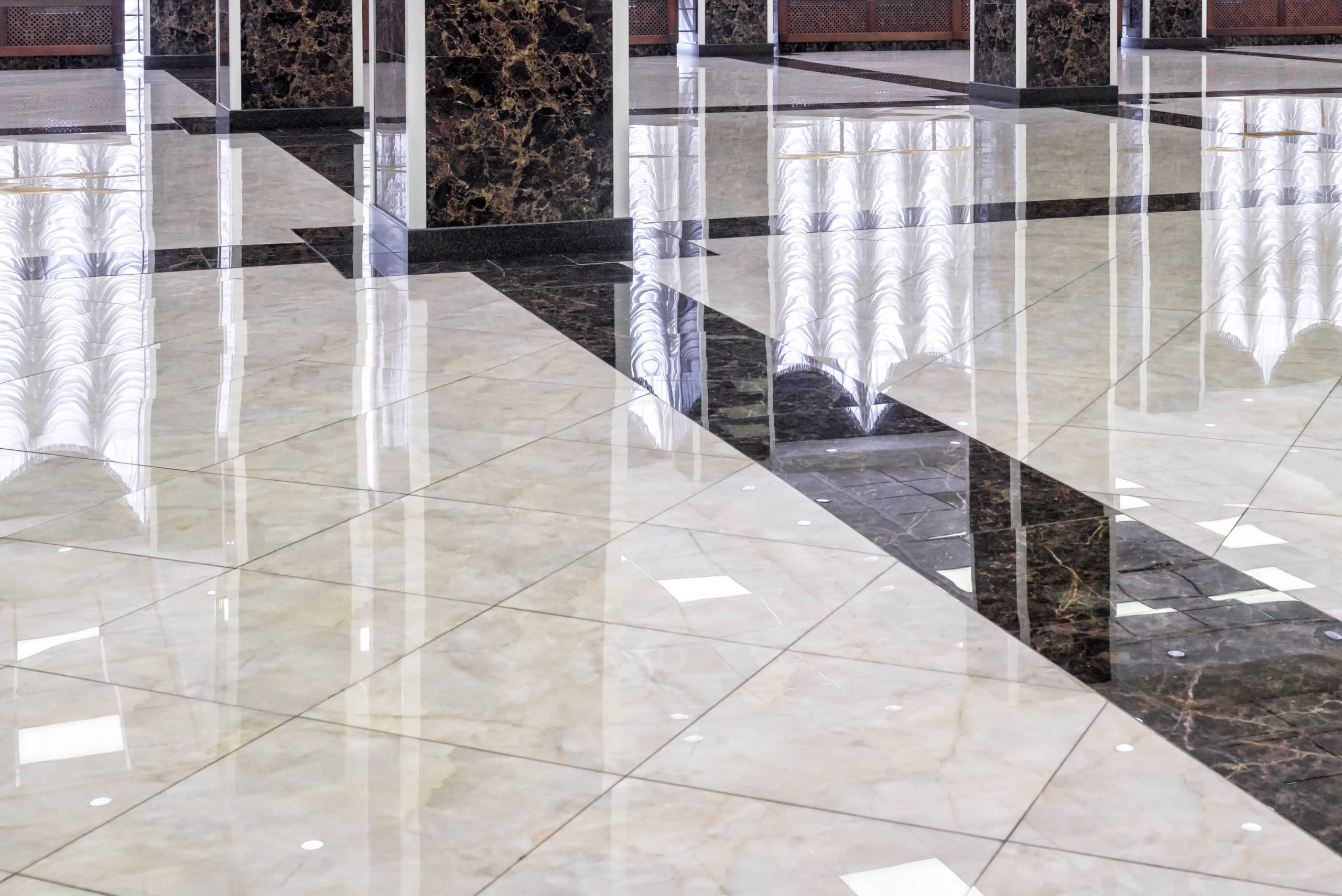
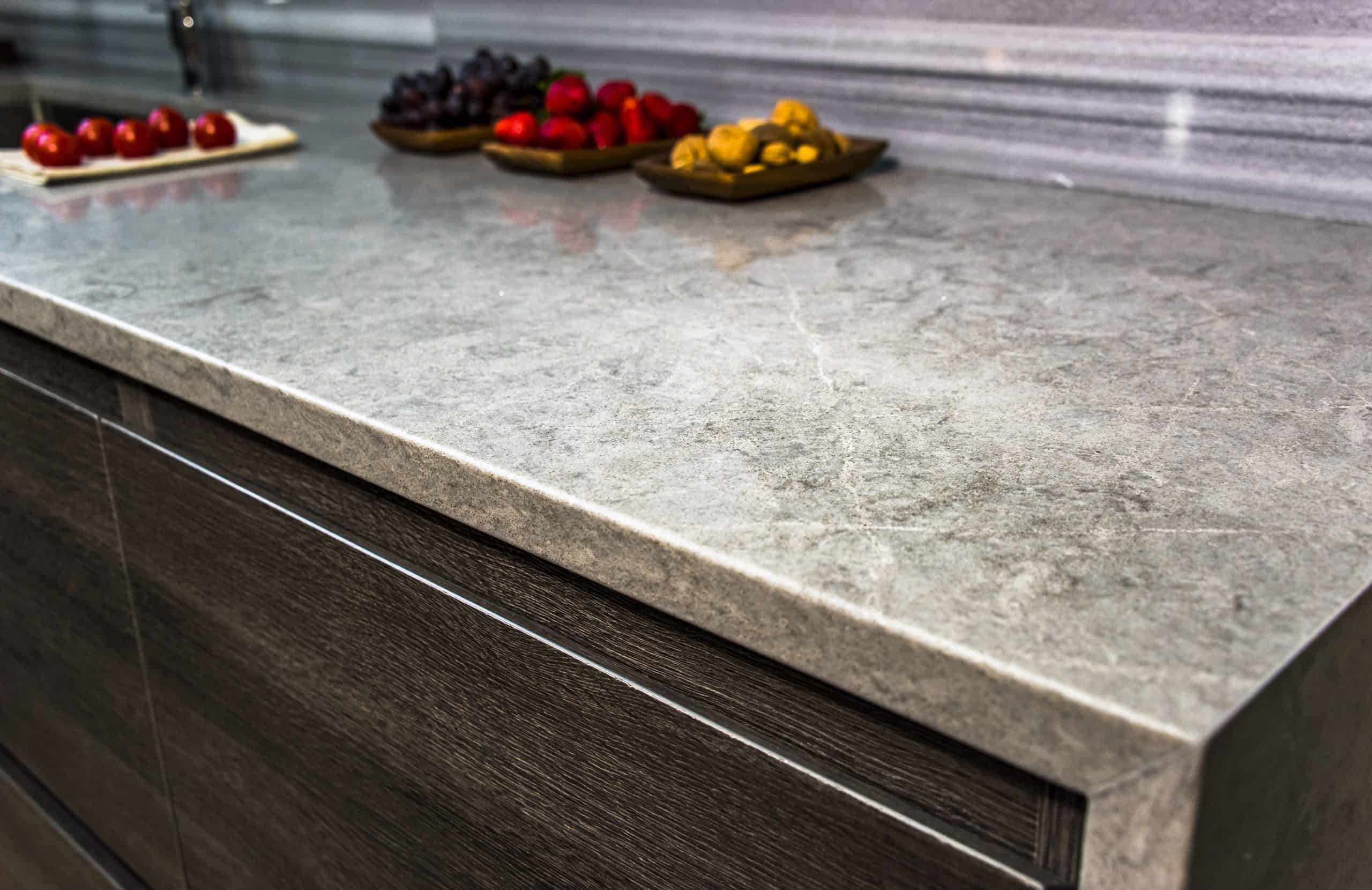
A 500-square-foot marble lobby, which is common in pre-war co-op buildings throughout New York County, typically runs between $5,000 and $10,000 for a complete restoration. Most residential projects are done in one to three days, and floors are walkable within hours of completion. Countertop restoration is scoped differently — expect $1,200 to $3,500 depending on size and condition.

Marble Polishing Cost Per Square Foot: Why New York County Runs Higher Than National Guides
The $5 to $15 per square foot figure you’ll find on Angi or HomeAdvisor reflects a national average. In New York County and across the NYC market, the realistic range sits at the upper end of that, and often beyond it. There are real reasons for this, and they’re worth understanding before you start comparing quotes.
Labor costs in New York County are meaningfully higher than in most other markets. But beyond that, working in occupied residential buildings adds complexity that suburban or single-family jobs simply don’t have. Elevator logistics, building protection requirements, co-op board scheduling constraints, and the need to work around residents during the day all factor into what a professional job actually takes. A contractor quoting you a suburban rate for a 30-unit co-op lobby in New York County is either cutting corners or hasn’t done this kind of work before.
Material condition is another major driver. Pre-war buildings throughout New York County were constructed between the 1920s and 1940s, which means many of their original marble lobby floors and terrazzo common areas are 70 to 100 years old. Decades of foot traffic, harsh cleaning chemicals, and deferred maintenance create a wider range of damage than you’d typically find in a newer building. The more severe the etching, staining, or surface wear, the more stages of diamond abrasive work required — and that affects cost.
Finish level matters too. Honing produces a smooth, matte surface that hides etch marks well and is often the right choice for high-traffic areas. Polishing continues to higher grits for a mirror-like, high-gloss finish. Most restorations begin with honing, and the client chooses from there. Opting for a full polish on a large floor will add to the cost compared to a standard honed finish.
Individual chip and crack repairs are typically scoped separately, running $250 to $750 per repair using color-matched resin that’s ground flush and polished to blend with the surrounding stone. Sealing treatments — which should be done after any restoration and repeated every one to two years — run $200 to $700 depending on the area.
Marble Restoration vs. Full Replacement: The Cost Comparison That Changes the Conversation
Full marble replacement — demolition, new stone fabrication, and installation — typically runs $50 to $150 per square foot when everything is factored in. That same 500-square-foot lobby that costs $5,000 to $10,000 to restore carries a replacement price tag of $25,000 to $75,000. The project takes weeks, not days, and your space is unusable the entire time.
For co-op boards in New York County, this comparison is especially significant. Replacing original marble lobby floors isn’t just expensive — it often requires sourcing stone that matches the original species, which may no longer be commercially available. The original material was installed when these buildings were built, sometimes using stone that isn’t quarried in the same way today. Restoration preserves what’s already there. Replacement doesn’t.
There’s also a value argument worth making. A well-executed restoration can increase a property’s perceived value considerably — and for co-op shareholders or owners preparing to sell, that return matters. Restoration extends the functional life of the stone by 10 to 15 years when done properly. It’s not a cosmetic patch; it rebuilds the surface integrity of the stone itself.
If you’ve been told your marble is too far gone to restore, get a second opinion. Deep etching, severe staining, and terrazzo that looks completely worn out are often surface-level issues. The damage looks permanent because it’s visible, but professional diamond abrasive restoration — the kind that works through multiple grit stages — addresses the actual surface, not just what’s sitting on top of it. We’ve restored floors in New York County that other contractors had written off.
Professional Marble Polishing in New York County: What the Process Actually Involves
Understanding what you’re paying for makes it easier to evaluate quotes and ask the right questions. Professional marble polishing isn’t cleaning — it’s a multi-stage abrasive process that physically reshapes the surface of the stone.
It starts with diamond-bonded abrasives progressing through increasingly finer grits: grinding to remove deep scratches and etching, honing to create a smooth and even surface, and polishing to build the level of gloss you want. After the abrasive work is complete, an impregnating sealer is applied — not a topical coating that sits on the surface and eventually yellows or peels, but a penetrating sealer that goes into the stone and protects from within.

What Makes Professional Marble Restoration Different From a Cleaning Service
This distinction matters more in New York County than almost anywhere else, because the line between cleaning companies and restoration specialists gets blurred constantly. A number of cleaning companies offer marble “polishing” as an add-on service. The problem is that cleaning — even thorough cleaning — cannot address etching, scratching, or surface wear. Those are physical changes to the stone, and they require physical correction.
Some cleaning operators use acid-based products or overly aggressive abrasives that damage marble rather than restore it. Marble is a calcium carbonate stone, which means it reacts chemically to acids — including many common household cleaners and some commercial products used by non-specialist contractors. Once acid etching occurs, the surface is dulled in a way that no amount of cleaning will fix. It requires abrasive restoration to correct.
This is one of the reasons New York County property managers and co-op boards sometimes spend years paying for cleaning services and getting progressively worse results. The cleaning isn’t making it worse, but it’s not addressing the actual problem either. If your marble lobby has been cleaned regularly and still looks dull, flat, or uneven, that’s not a cleaning problem — it’s a restoration problem.
We evaluate the stone type, the extent of the damage, and the appropriate process before we quote anything. That assessment matters because marble, terrazzo, granite, and limestone each respond differently to abrasive work. A process calibrated for granite can damage marble. Material-specific expertise isn’t a marketing phrase — it’s the difference between a floor that looks better and one that looks worse.
For New York County’s pre-war buildings, which often contain both marble and terrazzo in the same lobby — marble at the entry, terrazzo on the stairwell or common corridors — our expertise means a co-op board doesn’t need to hire separate contractors for each surface. We handle both, and we know how to approach each one correctly.
Frequently Asked Questions About Marble Restoration Cost in New York County
**How often does marble need to be restored or resealed?**
Sealing should be done every one to two years, depending on traffic and use. A full restoration — honing, polishing, and sealing — is typically needed every several years for high-traffic areas like building lobbies, and less frequently for lower-traffic spaces like residential bathrooms or countertops. In New York County’s co-op buildings, where lobby floors take constant foot traffic from dozens of units, annual sealing and periodic restoration cycles are a practical maintenance reality, not an upsell.
**Can severely damaged marble actually be restored?**
In most cases, yes. The damage that looks the most discouraging — deep etching, widespread dullness, visible scratches, staining that’s been there for years — is often surface-level in the technical sense. It looks permanent because it affects the appearance of the entire floor, but the stone itself is structurally intact. Multi-stage diamond abrasive restoration addresses these issues by physically resurfacing the stone rather than trying to clean or coat over the damage. We’ve seen floors in New York County buildings that looked beyond saving come back to their original condition.
**What should I ask a marble restoration contractor before hiring them?**
Ask whether they’re working with diamond abrasives or chemical treatments. Ask whether they’ll assess your specific stone type before starting. Ask whether they carry workers’ compensation insurance — in New York County and across New York State, contractors are required to hold a valid license from the NYC Department of Consumer Affairs, carry workers’ comp, and meet other consumer protection requirements. And ask for references from projects in similar buildings. A contractor who has worked in pre-war co-ops throughout New York County understands the logistics — elevator scheduling, building protection, working around residents — in a way that someone without that experience doesn’t.
**Does marble restoration work for terrazzo too?**
Yes, though the process differs. Terrazzo — the composite material made of marble chips, granite, quartz, or glass set in cement — requires its own restoration approach: grinding to remove surface damage, crack and chip repair, polishing, and sealing. Many of New York County’s older buildings have terrazzo in common areas alongside marble, and both can be restored in the same project scope.
**Will restoration increase my property’s value?**
A well-restored marble lobby or interior surface improves the perceived quality of a property meaningfully. For homeowners and co-op boards in New York County, where median home prices sit around $700,000, the condition of original architectural features like marble floors directly affects how buyers and appraisers perceive the property. Restoration at a fraction of replacement cost is one of the more efficient investments a property owner can make.
Getting a Marble Restoration Quote in New York County: What to Expect
The most useful thing you can do before committing to anything is get an honest, in-person assessment of your surfaces. Pricing for marble restoration varies based on square footage, condition, stone type, and the logistics of your specific building — and no cost guide, including this one, replaces eyes on the actual floor.
What you should expect from that process: a clear scope of work, a straightforward quote with no hidden fees, and a realistic picture of what restoration can and can’t accomplish for your specific surfaces. If a contractor can’t tell you what stone you have or why they’re recommending a particular approach, that’s worth paying attention to.
Diamond Stone Restorations Corp offers free estimates and works with both residential and commercial clients across New York County and Manhattan. Reach out to schedule yours — no pressure, just a real conversation about what your surfaces need.