
Summary:
You noticed a chip near the sink. Or a crack that appeared out of nowhere. Or a stain that no amount of scrubbing will touch. Whatever brought you here, you’re probably asking the same thing most New York County homeowners ask first: how much is this going to cost, and is it even worth fixing?
Those are fair questions — and they’re surprisingly hard to answer online, because most granite repair companies in New York County don’t publish prices. We do. Below, you’ll find real 2026 cost ranges broken down by damage type, a plain-language explanation of how the repair process works, and honest guidance on when repair makes sense and when it doesn’t.
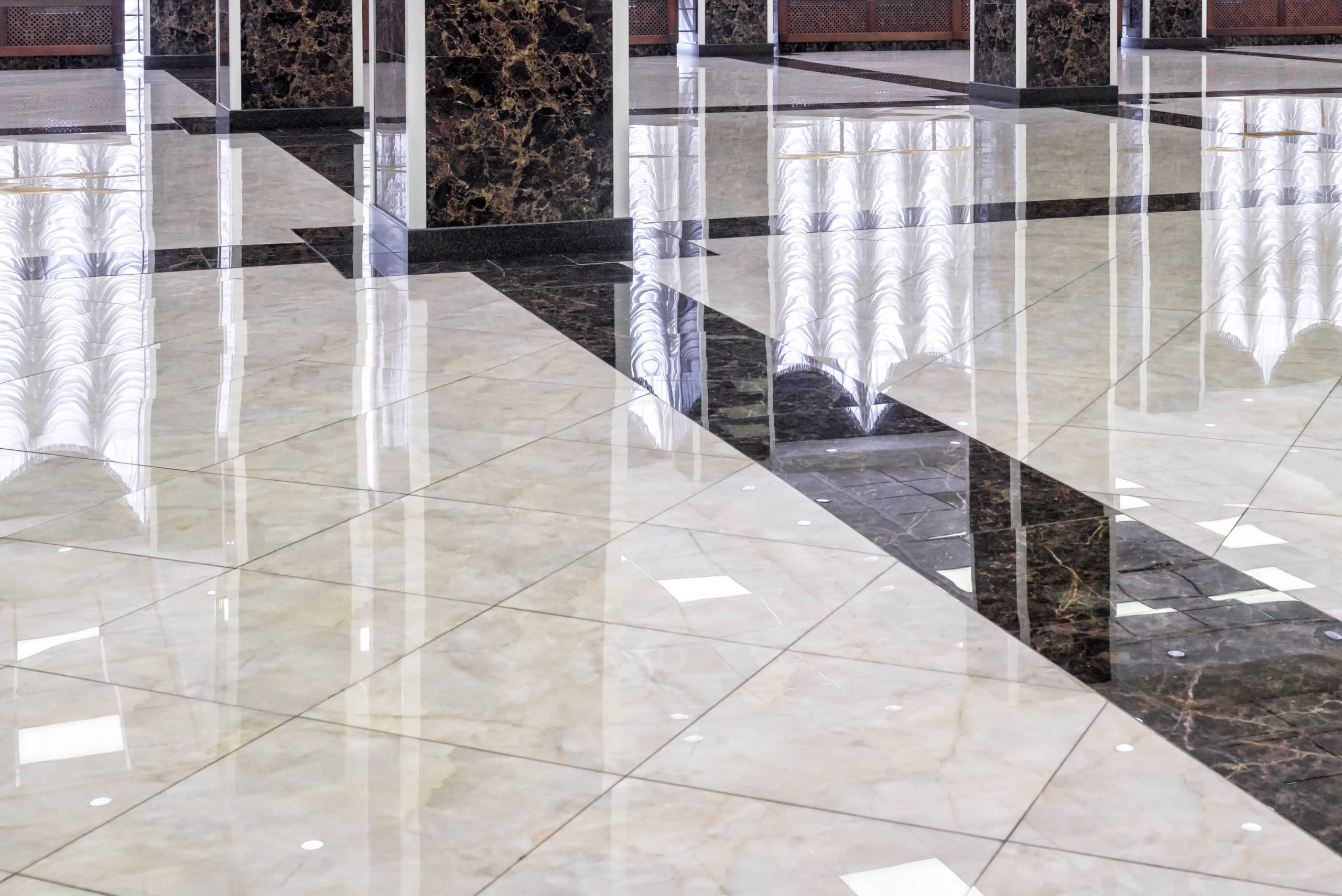
Granite Marble Restoration in New York County: What It Actually Costs in 2026
Here’s the number most people want before anything else: granite countertop repair in New York County typically runs between $200 and $1,000, depending on the type and extent of the damage. That range is wide because the work varies significantly — a small chip near an edge is a very different job from a hairline crack running toward the sink.
For polishing, honing, and sealing — the kind of work that brings a dull or scratched surface back to life — expect to pay somewhere in the $5 to $20 per square foot range. For more involved repair work, such as filling and color-matching chips or stabilizing cracks, costs typically fall between $10 and $60 per square foot depending on the severity. Smaller, straightforward fixes can sometimes come in as a flat fee in the $150 to $300 range.
Compare that to full replacement. A new granite countertop installation in a New York County kitchen runs $2,000 to $4,500 on average — and can climb to $9,000 for premium slabs and complex layouts. That’s before you factor in the building logistics: the certificate of insurance your co-op or condo building will require, elevator scheduling, demolition, and the two to four weeks a fabricator typically needs before installation can happen. Repair avoids all of that.

Granite Polishing and Restoration: Cost Breakdown by Damage Type
Not all granite damage is the same, and the cost of fixing it reflects that.
A chip that happened when a heavy pan dropped is a structural repair — it requires color-matched epoxy resin, careful filling, and polishing to blend the patch seamlessly with the surrounding stone. A surface scratch from cutting directly on the granite or dragging something across it is a finishing issue, addressed through progressive diamond polishing rather than any kind of fill. A stain from cooking oil, red wine, or citrus that soaked into an unsealed surface is a chemical problem, treated with targeted stain removal and followed by professional sealing.
For a small chip — say, a quarter-inch piece missing from a corner or edge — you’re typically looking at the lower end of the repair range, somewhere in the $200 to $400 area depending on location and accessibility. A crack near the sink or running along a seam is more involved and can run $400 to $800 or more, particularly if the crack has spread or if the countertop needs to be stabilized before it’s filled.
Surface scratches and general dullness, which are extremely common in New York County apartments that have seen years of daily kitchen use, are usually addressed through a full polishing and restoration pass — which falls in that $5 to $20 per square foot range and often produces results that look better than the original installation.
Deep staining is its own category. Granite is porous, and without regular sealing — ideally once a year — it will absorb liquids that leave permanent-looking marks. The good news is that many stains that appear permanent can be drawn out and removed by a professional using the right products and methods. The bad news is that if the stain has been sitting for years, results aren’t always guaranteed. This is one of the reasons we always recommend a professional assessment before assuming a stain is irreversible. We’ve seen stains that homeowners had given up on completely come out in a single visit.
One more thing worth knowing: the 50% rule. If restoring your countertop would cost more than half of what full replacement would cost, replacement is worth considering. In most cases — especially for damage that’s localized to one area — repair comes in well below that threshold.
How Granite Repair and Restoration Actually Works, Step by Step
The process matters as much as the price, especially if you’ve ever seen a DIY epoxy kit leave a color-mismatched patch that drew more attention than the original chip. Professional granite repair is a different thing entirely — not because of the product alone, but because of the technique, the equipment, and the eye for matching stone that takes years to develop.
When we come out for a repair job, the first step is always a thorough assessment. Granite is a natural stone, which means every slab is unique — the color, the pattern, the mineral composition. Before anything else, we evaluate the type of damage, the specific characteristics of your stone, and what approach will produce the most seamless result. This isn’t a five-minute walkthrough. It’s the part of the job that determines whether the finished repair is invisible or obvious.
From there, the surface is cleaned and prepped. Any loose material around a chip or crack is addressed, and the area is degreased so the repair material bonds properly. For chip and crack repairs, we use color-matched epoxy resin — mixed and tinted to match your specific stone as closely as possible. Once the fill cures, it’s leveled and blended into the surrounding surface using diamond abrasive technology, working through progressively finer grits until the repaired area matches the sheen of the rest of the countertop.
The final step is sealing. Professional-grade sealers — we use products like Miracle Sealants, StoneTech, MB Stone Care, and Aqua Mix — are applied to protect the surface going forward. Granite that’s properly sealed resists staining, holds its finish longer, and requires significantly less maintenance. For most kitchen countertops in New York County, we recommend resealing once a year to keep the surface protected. It’s a small investment that prevents the kind of staining and surface damage that leads to more expensive repairs down the line.
Most jobs are completed within a few hours to a single day. You don’t need to vacate your apartment, and there’s no demolition, no debris, and no waiting weeks for fabrication.
Granite Repair and Restoration in New York County: Why This Market Is Different
Granite countertop repair in New York County isn’t quite the same as it is anywhere else. The buildings are different, the logistics are different, and the stakes — given real estate values — are higher. Understanding those factors helps explain why repair is so often the right call here, even when the damage looks significant at first glance.
The most obvious factor is cost. In a market where apartments command premium prices, spending $400 to fix a cracked granite countertop rather than $4,000 to replace it is an easy decision. But in New York County, there are practical reasons beyond price that make repair the smarter path for most homeowners.

Co-op and Condo Buildings: Why Repair Often Beats Replacement in New York County
New York County’s housing stock is dominated by co-ops and condominiums, and if you live in one, you already know that any significant renovation comes with a process. Many co-op boards require board approval for work that involves structural changes or major alterations — and a full countertop replacement, which involves demolition, new fabrication, and potentially plumbing disconnection near the sink, can easily fall into that category. Even if your building doesn’t require board approval, you’ll typically need to provide a certificate of insurance, schedule elevator access during approved hours, and coordinate with building management.
A professional repair job sidesteps most of that. It’s quiet, contained, and typically completed in a matter of hours. There’s no demolition, no debris removal, no fabricator delivery requiring a freight elevator reservation. For residents of pre-war buildings in New York County — where kitchens are often small and building rules are strict — that difference is significant.
Landlords and property managers in New York County face a version of this same calculation constantly. When a tenant moves out and the countertop has a chip or a crack, the question is always: repair or replace? Given that a repair costs a fraction of replacement and can be completed before the next tenant moves in, the answer is almost always repair. We work with property managers across New York County who rely on fast, reliable turnaround between tenants — and who know that a countertop that looks like it was just installed is worth more than one that was actually just replaced.
There’s also the resale angle. In New York County’s competitive real estate market, countertop condition is one of the first things buyers and their agents notice. A granite countertop with a visible chip or a dull, scratched surface signals deferred maintenance. A restored countertop — polished to a mirror-like shine, sealed, and looking better than it has in years — signals care. The cost of repair is typically recovered many times over in buyer perception and final sale price.
Common Questions About Granite Countertop Repair in New York County
One question we hear often is: can my granite actually be repaired, or is it too far gone? The honest answer is that most damage — chips, surface cracks, scratches, staining, general dullness — is repairable. The exceptions are countertops that have cracked completely through, where the structural integrity of the slab is compromised. In those cases, replacement may be the only real option. But for the vast majority of damage we see in New York County kitchens and bathrooms, restoration is not only possible — it produces results that genuinely surprise people. One of the things we hear most often after a job is that the countertop looks better now than it did when it was first installed.
Another common question: how do I know if my granite needs sealing? A simple test is to put a few drops of water on the surface and watch what happens. If the water beads up, the sealer is intact. If it soaks in and darkens the stone within a few minutes, the sealer has worn down and the surface is vulnerable to staining. In New York County apartments where countertops see heavy daily use, we typically find that resealing is needed every year — sometimes more frequently in high-traffic kitchens.
People also ask whether the repair will be visible. With professional color-matched epoxy and proper polishing, the goal is always a seamless result. The reality is that granite’s natural variation — its veining, its mineral flecks, its unique pattern — actually works in favor of a good repair, because the eye moves across the surface rather than focusing on any single point. A well-done repair on granite is far less detectable than the same repair on a uniform solid surface. We won’t promise invisible every time, because every slab is different — but we will tell you that our results consistently exceed what clients expected when they first called us.
Finally: how long does it take? For most residential jobs in New York County, the work is done in a single visit. We come in, assess, repair, polish, and seal — and you have your kitchen back the same day. No waiting, no disruption beyond a few hours, no building logistics beyond letting us in.
Is Granite Countertop Repair Worth It in New York County? Here's the Bottom Line
For most New York County homeowners, tenants, and landlords, the answer is yes — and by a wide margin. Repair costs a fraction of replacement, takes a fraction of the time, and avoids the building logistics that make full replacement such a headache in a New York County apartment. Whether you’re dealing with a chip that’s been bothering you for months, a crack near the sink, staining that won’t budge, or a surface that’s simply lost its shine, professional restoration is almost always the more practical path.
The key is working with someone who actually knows what they’re doing — who treats your specific stone as the unique material it is, uses professional-grade products, and gives you an honest assessment rather than a reflexive upsell toward replacement.
If you’re in New York County and ready to find out what your countertop repair would actually cost, Diamond Stone Restorations Corp offers free estimates with no obligation. Reach us at 929-335-0190, Monday through Friday, 9am to 7pm. We’ll take a look, give you a straight answer, and go from there.