Summary:
You noticed it gradually — the shine fading, a dull patch where the countertop meets the sink, etch marks that won’t budge no matter what you use. Maybe you’ve already tried a polishing powder from the hardware store. Maybe it helped a little, or maybe it didn’t seem to do much at all. Either way, you’re here because you want your marble to actually look the way it’s supposed to look. This page will help you understand what’s really going on with your stone, what separates professional marble polishing from the DIY route, and how to make the right call for your space.
Professional Marble Polishing vs. DIY Methods
The honest answer is that DIY marble polishing and professional marble polishing are not really the same service — they just share a name. Consumer products are designed to refresh a surface that’s already in decent shape. Professional polishing is designed to fix what’s actually wrong. That difference matters more than most people realize until they’ve tried one and needed the other.
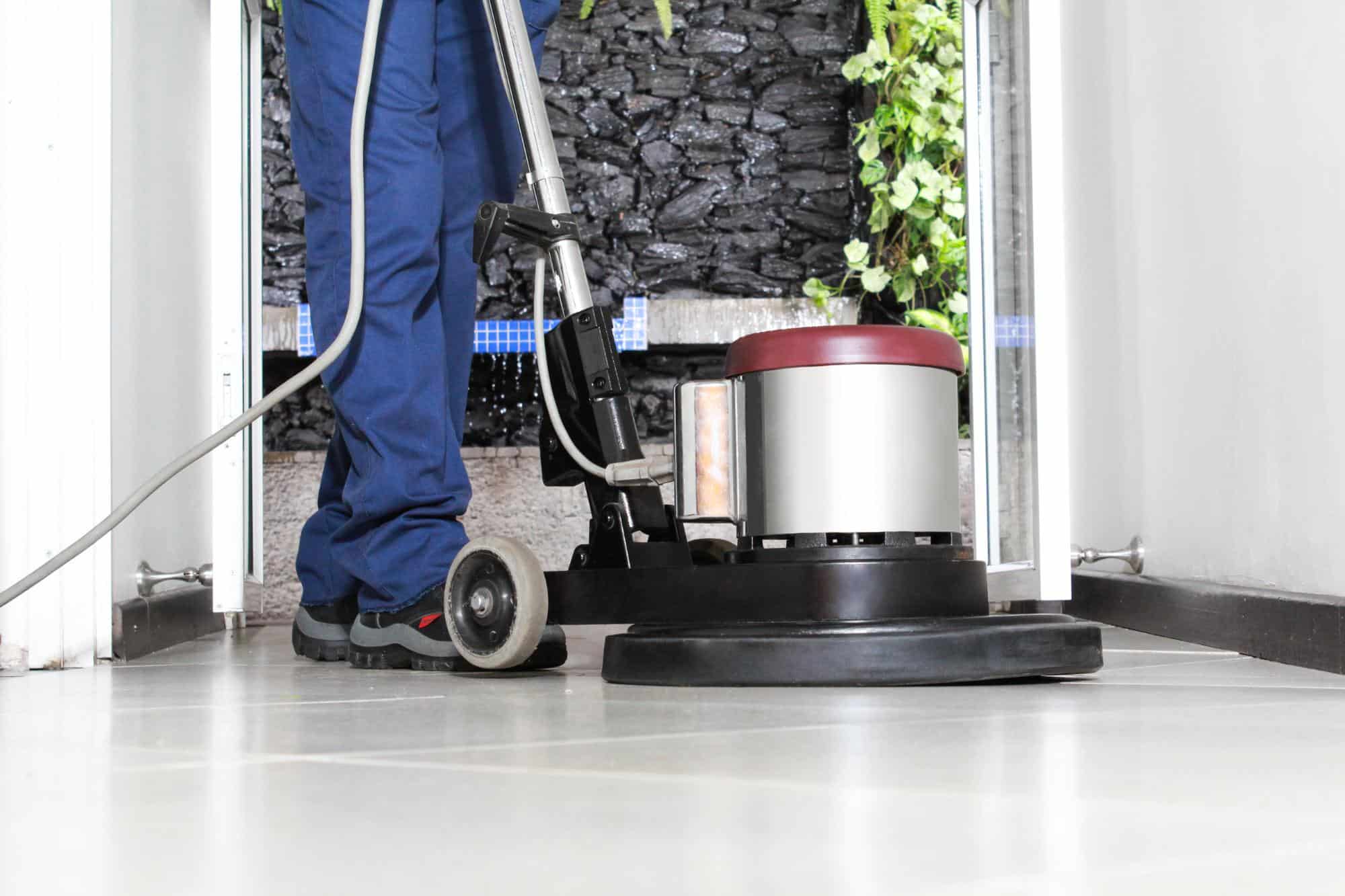
The tools alone tell the story. We use diamond abrasives — the hardest polishing material available — applied through a multi-stage process that moves from coarser grits down to finer ones, physically re-exposing undamaged stone below the surface layer. A $25 polishing powder from a home improvement store skips all of that. It sits on top of the damage and makes it shinier. That’s not a fix.
Best Marble Polishing Results: What Professional Diamond Abrasive Work Actually Delivers
When marble loses its shine, there are usually two things happening. The first is surface dulling from foot traffic, cleaning products, or general wear — the kind of thing a good polish can address. The second is etching, which is a different problem entirely. Etching happens when an acidic substance — lemon juice, wine, coffee, even some “all-purpose” cleaners — reacts chemically with the calcium carbonate in the stone and dissolves a thin layer of the surface. That dull, hazy spot isn’t a stain you can wipe away. It’s physical damage to the stone itself.
This is where professional polishing earns its place. Fixing etching properly requires honing — using progressively finer diamond pads to grind away the damaged layer and bring fresh, undamaged stone back to the surface. Without that step, you’re just polishing over the problem. The etch stays. It just looks shinier for a few weeks before dulling again.
Professional results also last significantly longer. Consumer polishing powders typically hold for weeks to a few months before the surface starts to dull again. A professional diamond abrasive polish, followed by a proper penetrating sealer, can hold up for one to three years with reasonable daily care. When you divide the cost by how long the results actually last, the math often favors professional service — before you even factor in the risk of making things worse.
One thing worth knowing: sealing your marble does not prevent etching. This is one of the most common misconceptions we hear. Sealers protect against staining by blocking liquid absorption into the stone. They don’t stop acid from reacting with the surface. If someone has told you that sealing is all you need, that’s only half the picture.
What Happens When a DIY Attempt Goes Wrong
Most people who try to remove deep scratches themselves reach for sandpaper, steel wool, or something they found in a forum or YouTube comment. The intention is right. The result usually isn’t. Using the wrong abrasive on marble creates uneven low spots, inconsistent sheen, and surface damage that is significantly harder and more expensive to fix than the original problem. A professional restoration job that might have cost a few hundred dollars upfront can turn into a much larger project once a DIY attempt has introduced new variables into the surface.
We’ve seen this play out more times than we can count — a homeowner comes to us after trying to fix a scratch on a countertop and ending up with a visible dull patch three times the size of the original mark. The scratch itself was minor. The fix required full honing of the affected area to blend it back in.
There’s also the question of stone type. Marble polishing stone isn’t a one-size-fits-all process. Marble, travertine, limestone, and terrazzo all require different products, different abrasive sequences, and different sealing protocols. What works on one can damage another. Travertine is porous in a way that marble isn’t. Limestone is softer and scratches more easily. Terrazzo is a composite that behaves differently under abrasive tools. Treating them all the same — which most consumer products implicitly do — is where the real risk lives.
The cost of getting it wrong is real. And in New York County, where a single bathroom renovation can run tens of thousands of dollars, the marble inside it deserves more than a trial-and-error approach.
Best Marble Polish Products: Consumer vs. Professional Grade
Walk into any home improvement store in Manhattan and you’ll find a shelf of marble polishing products — powders, creams, spray-on polishes, multi-surface kits. Some of them are genuinely good at what they’re designed to do. The problem is that what they’re designed to do is limited.
We use professional-grade products like MB Stone Care and Aqua Mix — product lines formulated for the full range of stone restoration work: grinding, honing, polishing, and sealing. They’re not available at retail because they’re not designed for retail use. They require the right equipment and the right sequence to work properly, and in the wrong hands they can cause damage just like anything else.
How to Evaluate Whether a Marble Polish Product Is Worth Using
If you’re dealing with very light surface dulling on marble that’s otherwise in good shape, a quality consumer polish can buy you some time. Products like MB-11 or Tenax are legitimate options for light maintenance on polished marble surfaces — not for etching, not for scratches, and not as a substitute for professional restoration when the stone actually needs it. Used correctly, on the right surface, they can extend the time between professional services.
The problem is that most product packaging doesn’t help you figure out whether your situation qualifies. “Restores shine” sounds like it covers everything. It doesn’t. If your marble has visible etch marks, scratches that catch your fingernail, or areas where the finish looks completely different from the rest of the surface, a consumer product is not going to get you where you want to be. It may temporarily improve the appearance and mask the problem long enough to make professional diagnosis harder.
Cost-per-application is another thing worth thinking through honestly. A consumer polishing kit runs $15 to $50 and needs to be reapplied every few weeks to maintain results. Professional marble polishing in New York County typically runs $3 to $8 per square foot, and results hold for one to three years. Over a two-year period, repeated DIY applications on a modest kitchen countertop can approach or exceed the cost of a single professional service — with none of the permanence and all of the risk. That’s before accounting for the cost of fixing a mistake.
There’s also the question of what you’re working with. New York County apartments — especially in prewar co-ops on the Upper East Side, in Tribeca lofts, or in older Financial District buildings — often have original marble that dates back 80 or 100 years. That stone has character and history that simply cannot be replaced. Treating it with a generic consumer product is a gamble that rarely makes sense given what’s at stake.
Manhattan Marble Polishing: FAQs From New York County Homeowners and Building Managers
**What’s the difference between marble polishing and marble restoration?** Polishing is a finishing step — it’s what gives marble its reflective, mirror-like surface. Restoration is the full process: cleaning, honing, polishing, and sealing, used when polishing alone isn’t enough to address the damage present. A surface with light dulling may only need polishing. A surface with deep etching, scratches, or significant wear needs restoration. Knowing which your stone needs requires an honest assessment, not a guess.
**Can deeply scratched or etched marble actually be saved?** In the vast majority of cases, yes. Deep scratches and acid etching look permanent, but professional diamond abrasive honing can physically remove the damaged layer and bring undamaged stone back to the surface. We’ve restored marble that homeowners were certain needed to be replaced — and the results were indistinguishable from new. The only surfaces that typically can’t be fully restored are those with structural damage like deep chips or cracks, and even those can often be repaired.
**How often does marble need to be professionally polished?** It depends on the surface and how much use it sees. A bathroom floor in a New York County apartment with two people in it will hold a professional polish for two to three years with proper daily care. A lobby floor in a co-op building on the Upper West Side, with dozens of residents and guests walking through every day — especially during winter when salt and grit get tracked in — may need attention annually. Traffic, cleaning habits, and the type of finish all factor in.
**Do I need board approval for marble polishing in my co-op?** For work inside your own unit — countertops, bathroom floors, vanity tops — you typically don’t. For common areas like lobbies, hallways, and stairwells in New York County co-op buildings, many boards require a licensed, insured professional contractor. DIY work in shared spaces is often explicitly prohibited. If you’re a building manager dealing with lobby marble, professional service isn’t just the better option — it’s usually the required one.
**Are the products used safe for kids and pets?** The compounds and sealers we use are biodegradable and non-toxic. The sealers are food-safe, which matters for kitchen countertops especially. Families don’t need to vacate during the work, and surfaces are ready to use immediately after we’re done. This is something we take seriously, and it’s not something every restoration company can say.
When to Call a Professional Marble Polishing Service in New York County
If your marble is lightly dull and otherwise in good shape, a quality consumer product used carefully might be enough to maintain it between professional services. But if you’re dealing with etch marks, visible scratches, uneven finish, or stone that’s been through a few New York winters worth of salt and foot traffic, a consumer kit is not going to give you what you’re hoping for — and the wrong approach can make the job harder and more expensive to fix later.
The marble in New York County homes and buildings is worth protecting. Whether it’s original Carrara in a prewar co-op bathroom, a polished countertop in a Tribeca kitchen, or a lobby floor that’s been walked on for decades, the right restoration approach makes a real difference in how long that surface holds up and how good it looks.
We work with homeowners and property managers across New York County to restore marble and natural stone surfaces to the condition they should be in — without replacement, without hidden fees, and without guesswork. If you’re not sure what your marble needs, a free assessment is the right place to start.