Summary:
For a professional finish on your floors or counters, see our marble polishing service in NYC.
When Surface Damage Becomes Structural: Deep Etching And Heavy Scratches
Surface-level wear is normal. Deep damage that affects the stone’s structural integrity is not.
You can spot the difference easily. Light scratches catch your fingernail but don’t create valleys you can feel. Surface etching from acidic spills creates dull spots but doesn’t create texture changes you can run your hand across.
Deep damage is different. These are scratches that create grooves, etching that leaves raised or recessed areas, and wear patterns that change the actual height of your floor surface.
How To Test If Your Marble Damage Goes Too Deep For DIY Repair
The penny test reveals everything you need to know about your damage depth. Place a penny flat against any scratch or etched area. If the damage extends beyond the penny’s thickness, you’re looking at structural damage that requires professional grinding and honing.
Why does depth matter so much? Your marble’s polished surface exists in just the top layer of the stone. When damage penetrates past this layer, no amount of surface polishing will restore the original finish. You need professional equipment that can remove damaged stone and rebuild the surface from the foundation up.
We use diamond grinding technology that removes damaged material in precise increments. This process requires specialized knowledge about marble composition, grain direction, and hardness levels. Get it wrong, and you can create permanent damage that makes replacement your only option.
The cost difference is dramatic. Deep scratch repair through professional restoration typically runs $4-10 per square foot. Compare that to marble replacement costs of $10-100 per square foot, plus installation, and the math becomes obvious.
Temperature fluctuations in NYC buildings create another layer of complexity. Thermal expansion and contraction can turn surface scratches into deep cracks within months. What looks like minor damage today becomes major structural problems tomorrow without proper intervention.
The Hidden Cost Of Ignoring Deep Stone Damage
The penny test reveals everything you need to know about your damage depth. Place a penny flat against any scratch or etched area. If the damage extends beyond the penny’s thickness, you’re looking at structural damage that requires professional grinding and honing.
Why does depth matter so much? Your marble’s polished surface exists in just the top layer of the stone. When damage penetrates past this layer, no amount of surface polishing will restore the original finish. You need professional equipment that can remove damaged stone and rebuild the surface from the foundation up.
We use diamond grinding technology that removes damaged material in precise increments. This process requires specialized knowledge about marble composition, grain direction, and hardness levels. Get it wrong, and you can create permanent damage that makes replacement your only option.
The cost difference is dramatic. Deep scratch repair through professional restoration typically runs $4-10 per square foot. Compare that to marble replacement costs of $10-100 per square foot, plus installation, and the math becomes obvious.
Temperature fluctuations in NYC buildings create another layer of complexity. Thermal expansion and contraction can turn surface scratches into deep cracks within months. What looks like minor damage today becomes major structural problems tomorrow without proper intervention.
Lippage Problems: When Uneven Tiles Signal Foundation Issues
Lippage sounds technical, but it’s simple to understand. It’s when one tile sits higher than the tile next to it, creating an uneven surface that’s both unsightly and potentially dangerous.
You can test for lippage by sliding a quarter across tile seams. If the quarter catches or tips, you have lippage that needs professional attention.
The cause usually traces back to installation problems or building settlement. Either way, lippage that exceeds 1/8 inch requires professional grinding to create a flat, level surface.

Why Lippage Gets Worse Over Time And How To Stop It
Lippage creates stress concentration points that accelerate damage throughout your floor. Uneven surfaces mean some tiles bear more weight than others, leading to cracks, chips, and eventual tile failure. What starts as a minor unevenness becomes a major structural problem.
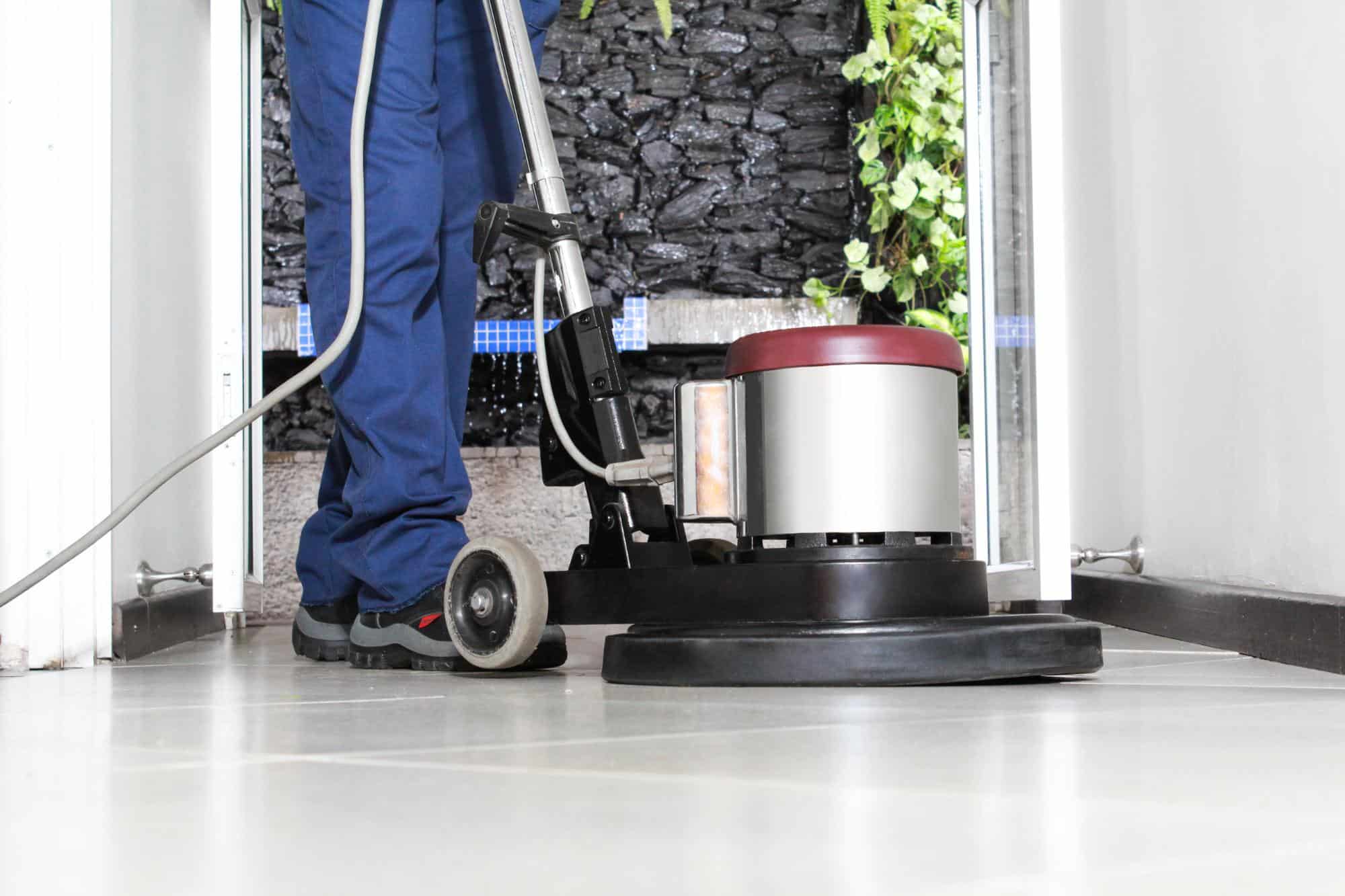
The grinding process for lippage removal requires precision equipment and expert knowledge. We use aggressive lippage removal discs on planetary floor machines to grind down high spots without damaging surrounding areas. This process must be done gradually, checking progress frequently to avoid over-grinding that creates new problems.
Timing matters critically with lippage issues. Early intervention when unevenness first appears costs $1 per square foot for most repair jobs. Wait until tiles start cracking or loosening, and you’re looking at individual tile replacement costs that can reach $200-500 per square foot.
The safety factor adds urgency to lippage problems. Uneven surfaces create tripping hazards, especially problematic in commercial properties where liability concerns arise. Property managers dealing with lippage issues often find that addressing the problem proactively costs far less than dealing with injury claims later.
Professional lippage removal also involves understanding substrate issues. Sometimes uneven tiles indicate problems with the underlying floor structure that need addressing before surface restoration can succeed. We can identify these issues and recommend comprehensive solutions that prevent future problems.
The Professional Process: Grinding, Honing, And Polishing Explained
Professional stone restoration follows a precise sequence that can’t be rushed or skipped. The process starts with grinding to remove damaged material and create a flat surface. This stage uses coarse diamond abrasives to eliminate deep scratches, etching, and lippage issues.
Honing comes next, using progressively finer diamond grits to smooth the surface and prepare it for polishing. This stage removes the grinding marks while building toward the final finish level. The number of honing steps depends on the damage severity and desired final appearance.
Polishing creates the final surface finish using specialized compounds and techniques. For marble, this often involves crystallization processes that chemically react with the stone to create a hard, glossy surface. The result should match or exceed the original factory finish.
The equipment requirements explain why this isn’t a DIY project. We use planetary grinding machines that distribute weight evenly across the surface. These machines cost tens of thousands of dollars and require training to operate safely and effectively.
Material selection adds another layer of complexity. Different marble types require different diamond grits, polishing compounds, and techniques. Carrara marble responds differently than Calacatta, and both require different approaches than travertine or limestone. We maintain inventories of specialized materials and know which products work best for specific stone types.
Quality control throughout the process prevents the “orange peel” effect that occurs when polishing compounds burn the stone surface. This creates a dimpled, plastic-looking finish that requires complete re-honing to correct. We know how to avoid this problem through proper technique and material application.
Making The Smart Choice: Professional Restoration Vs. Costly Replacement
The signs are clear: deep etching and heavy scratches, uneven tiles creating lippage problems, and surface damage that keeps getting worse despite your best DIY efforts. When you see these warning signs, professional stone restoration becomes not just the smart choice—it becomes the only choice that makes financial sense.
Professional restoration achieves 90-95% of original appearance while costing 90% less than replacement. The process addresses structural damage, eliminates safety hazards, and protects your property investment for years to come.
Don’t let minor damage become major replacement costs. When you recognize these three critical signs, contact Diamond Stone Restorations Corp for expert evaluation and restoration that brings your marble floors back to their original beauty.