Tile Sealing in Lake Purdy, NY

Stop Water Damage Before It Starts

Professional tile sealing that keeps your floors looking new and your investment protected for years.
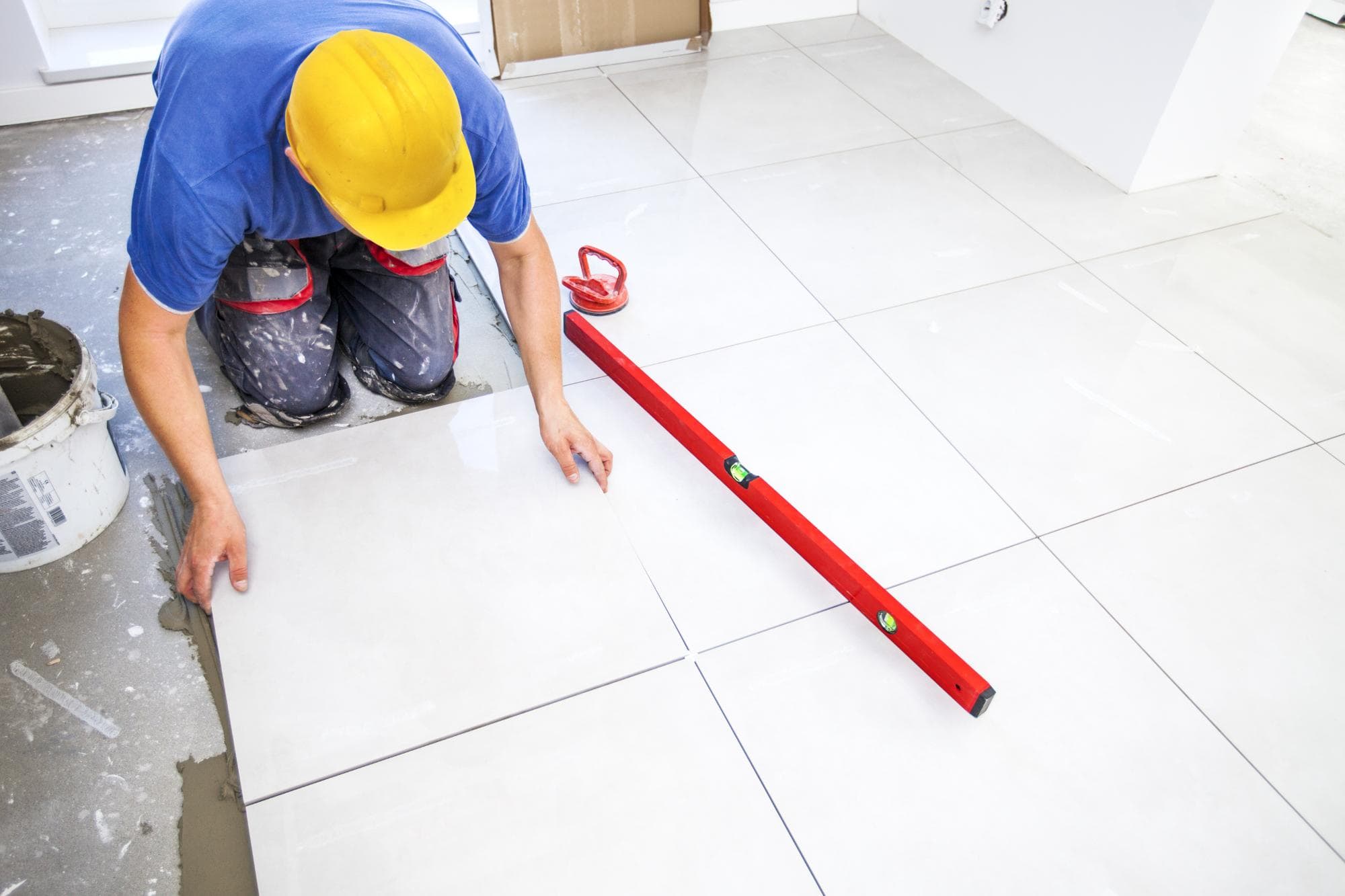
A person wearing a yellow hard hat and blue shirt is installing large white floor tiles. A red spirit level and a bucket of adhesive are nearby, and the person is adjusting a tile for alignment.

Hear from Our Customers

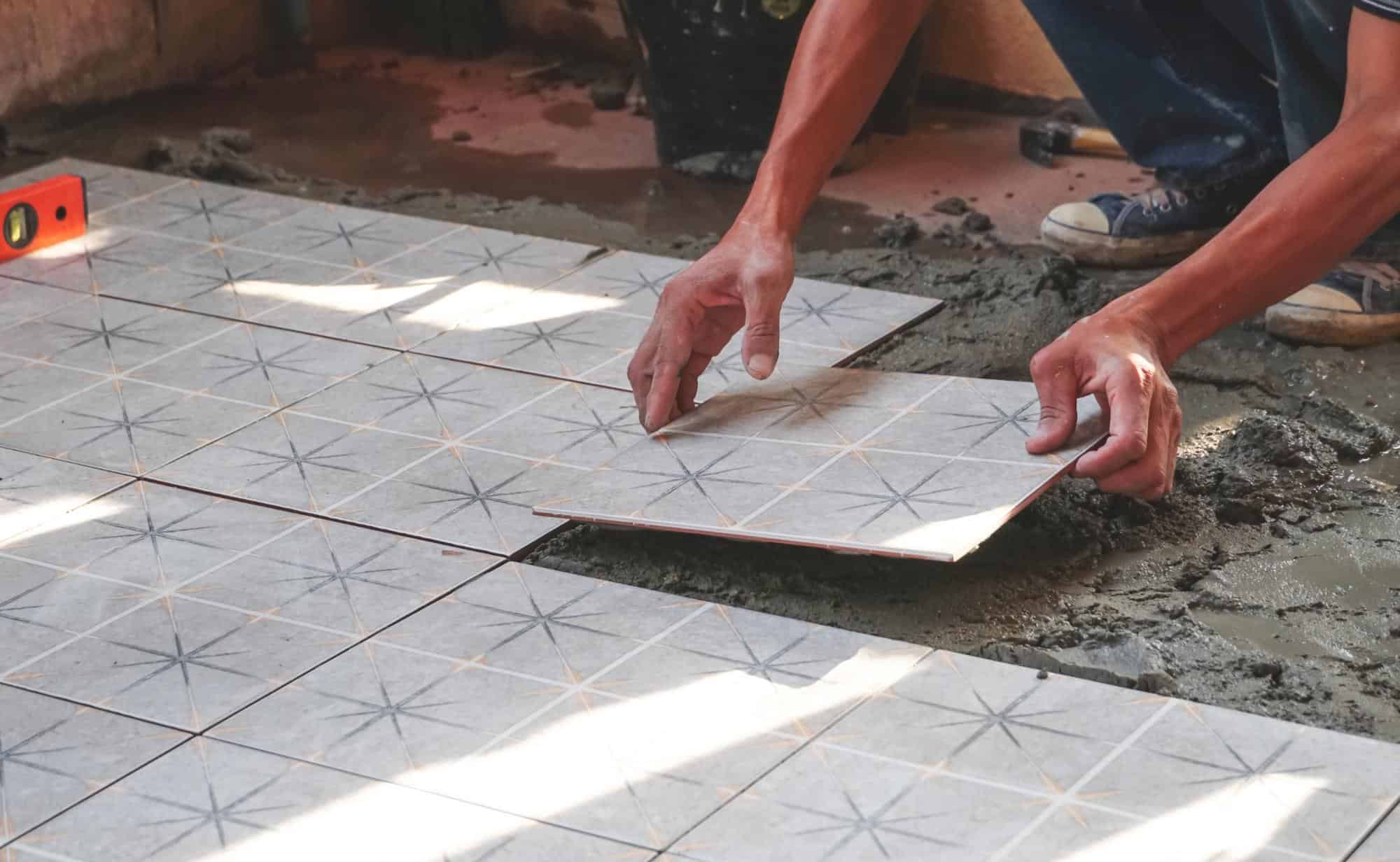
A person carefully placing a ceramic floor tile onto wet mortar, aligning it with other tiles during a flooring installation project. Sunlight shines across the workspace.

Professional Tile Sealing Lake Purdy

Your Tiles Stay Beautiful Longer

Properly sealed tiles resist stains that would otherwise penetrate deep into grout lines. Water can’t seep behind your tiles to cause hidden damage that leads to expensive repairs later.

You get floors that clean easily with just regular mopping. No more scrubbing grout lines or dealing with discoloration that makes your whole room look dingy.

The right sealant creates a protective barrier that handles daily foot traffic, spills, and moisture without breaking down. Your tiles maintain their original appearance and your grout stays the color it’s supposed to be.

Tile Sealing Contractors Lake Purdy

We Know New York Tile Challenges

Diamond Stone Restorations Corp has been restoring and protecting surfaces throughout New York City and surrounding areas for years. We understand how Lake Purdy’s climate and water conditions affect different tile materials.

Our team specializes in ceramic tile sealing, porcelain tile sealing, and natural stone protection. We’ve seen what happens when tiles aren’t properly sealed in this area – the water damage, the mold issues, the premature deterioration.

We focus on restoration and protection rather than replacement because we know most tile problems can be prevented with the right approach from the start.
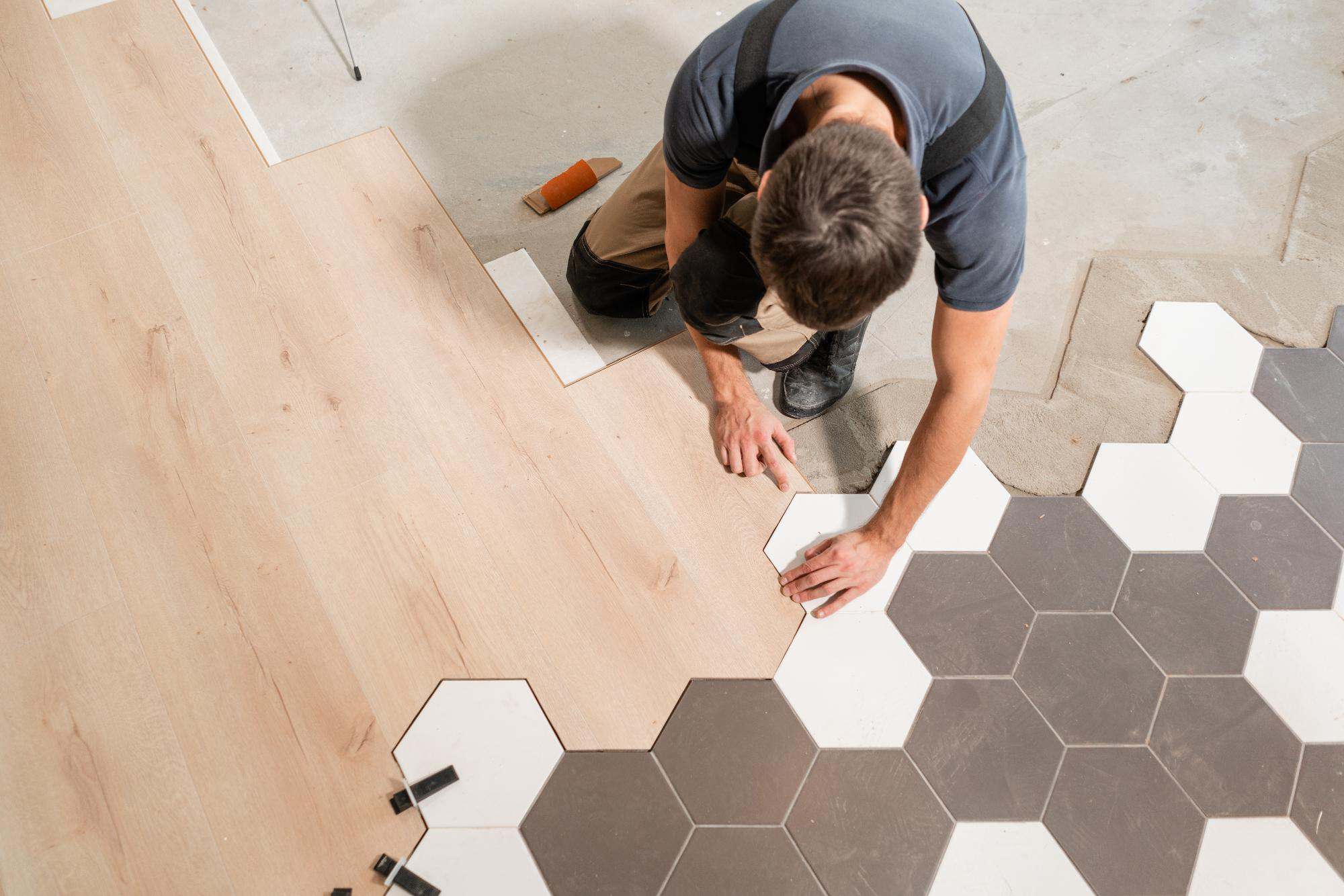
A person kneels on the floor, installing hexagonal tiles next to a section of wooden laminate flooring, carefully aligning the tiles where the two surfaces meet.

Tile and Grout Sealing Process

Here's Exactly What We Do

First, we clean your tiles and grout thoroughly to remove any existing stains, soap residue, or buildup. Sealant won’t work properly over dirty surfaces, so this step matters.

Next, we apply professional-grade sealant designed for your specific tile material. Ceramic tiles need different treatment than porcelain or natural stone. We use the right product for your situation.

The sealant penetrates into grout lines and porous tile surfaces, creating a protective barrier. We allow proper curing time so the protection actually bonds correctly. You’ll see water bead up instead of soaking in when we’re done.
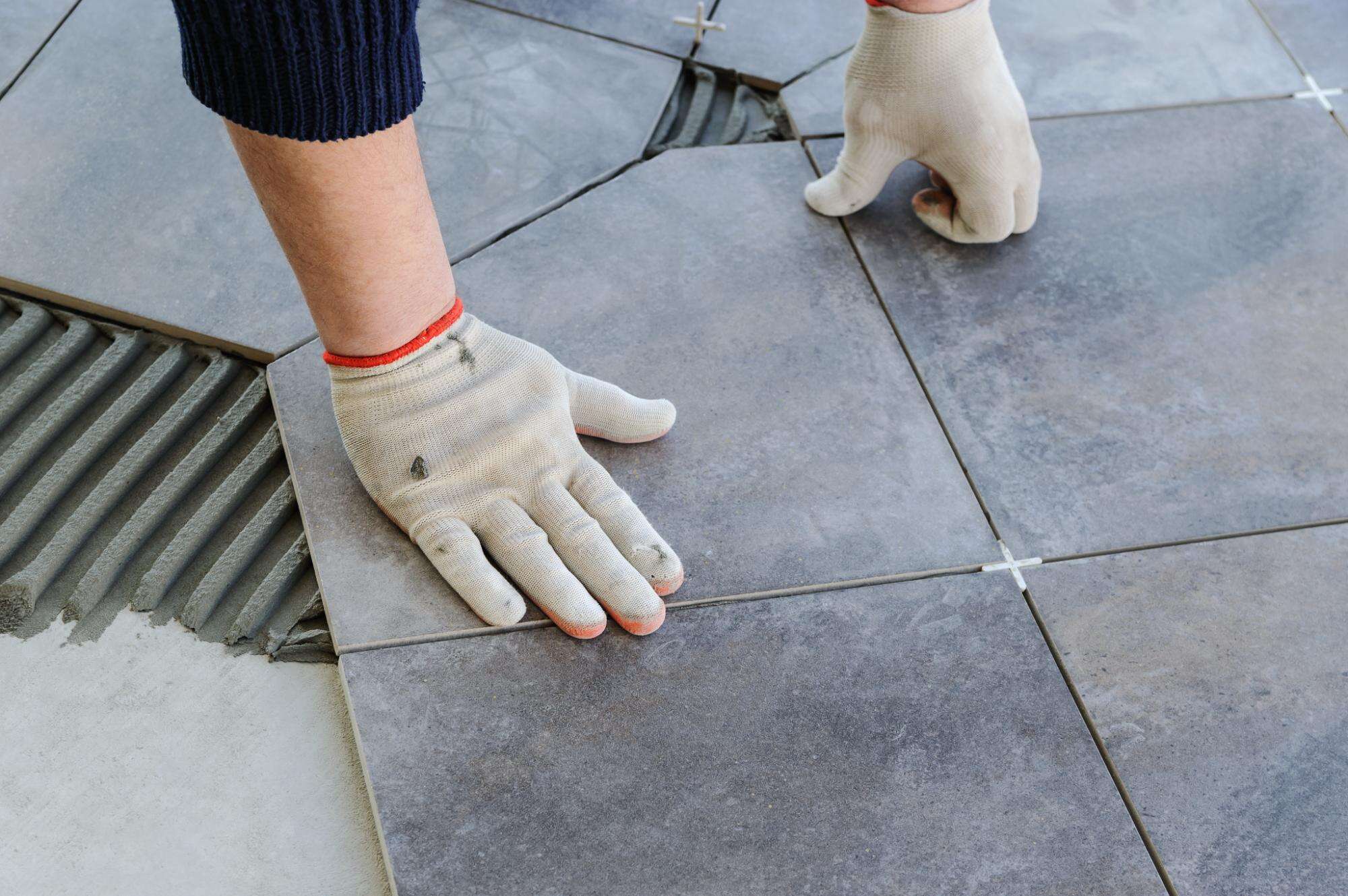
A person wearing white gloves is laying large gray ceramic tiles on a floor, aligning them carefully over adhesive. Tile spacers are visible between the tiles for even spacing.

Ready to get started?

Explore More Services

About Diamond Stone Restorations Corp

Get a Free Consultation

Grout and Tile Sealing Services

What's Included In Your Service

Your tile sealing service covers complete surface preparation, professional cleaning, and application of appropriate sealants for your tile type. We handle ceramic, porcelain, and natural stone surfaces.

In Lake Purdy, we see a lot of bathroom and kitchen tiles that need protection from constant moisture exposure. Our sealants are specifically chosen to handle New York’s humidity levels and temperature changes throughout the year.

You get detailed care instructions so you know how to maintain your newly sealed surfaces. We also let you know when you’ll need resealing – typically every 2-5 years depending on traffic and tile type. Most customers are surprised how much easier cleaning becomes after proper sealing.
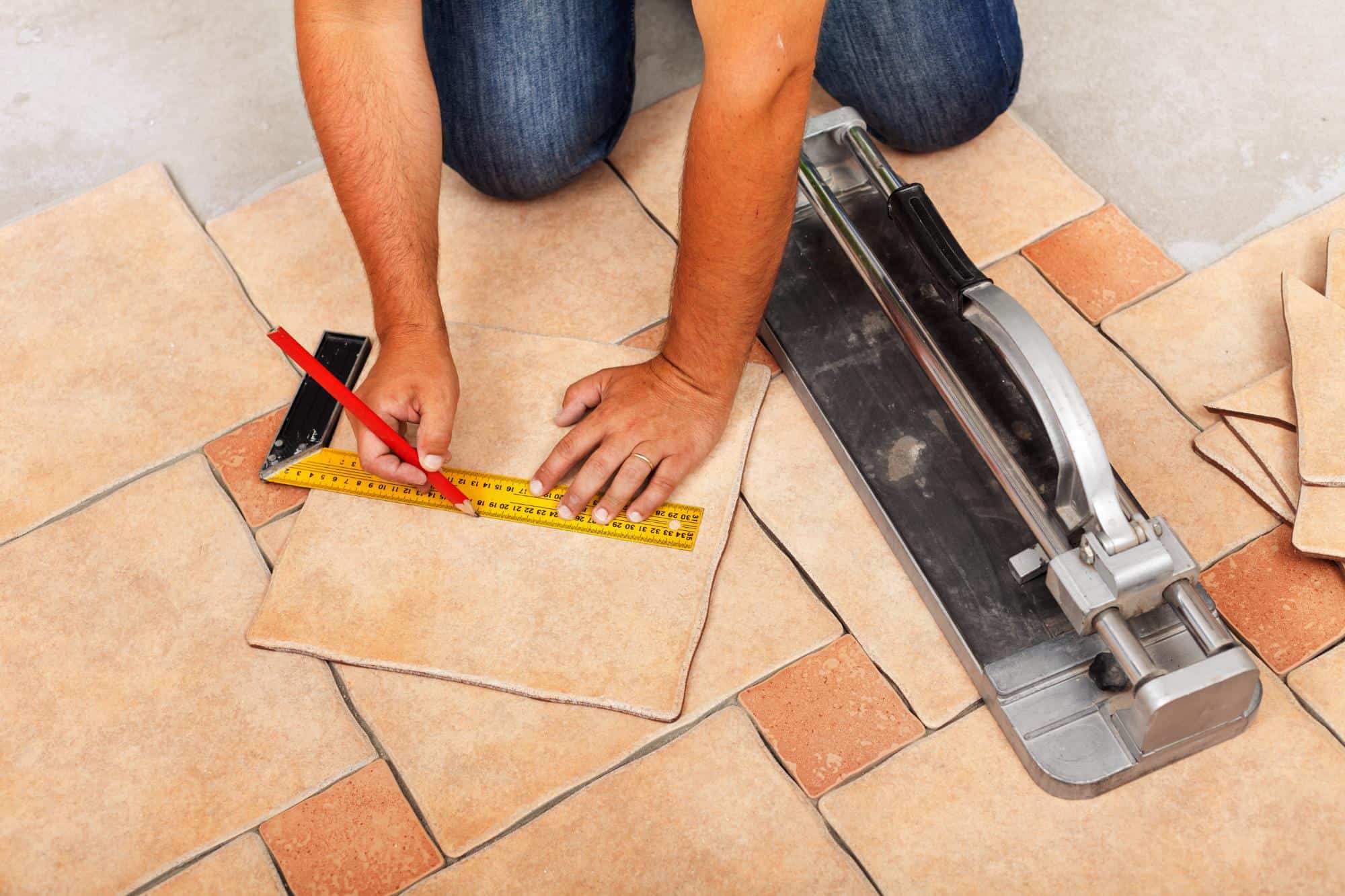
A person uses a pencil and tape measure to mark a ceramic tile for cutting, surrounded by tiles on the floor, with a tile cutter nearby.

How long does tile sealing last before I need it redone?

Most professional tile sealing lasts 2-5 years depending on foot traffic and tile type. High-traffic areas like entryways typically need resealing every 2-3 years, while bathrooms and lower-traffic spaces can go 4-5 years.You’ll know it’s time for resealing when water stops beading on the surface and starts soaking into grout lines again. Natural stone tiles usually need more frequent sealing than ceramic or porcelain because they’re more porous.The quality of the original sealant and application makes a big difference in longevity. Professional-grade sealants and proper surface preparation extend the protection significantly compared to DIY products.
We can often restore stained tiles and grout before sealing, but it depends on how deep the stains have penetrated. Surface stains from spills, soap buildup, or light discoloration usually clean up well with our professional cleaning process.Deep stains that have soaked into unsealed grout for years are more challenging. Sometimes we can lighten them significantly, but very old stains might not come out completely. We’ll give you an honest assessment of what to expect.The important thing is sealing after cleaning to prevent new stains from setting in. Even if some old discoloration remains, proper sealing stops the problem from getting worse and makes future cleaning much easier.
You’ll need to avoid walking on sealed surfaces for 24-48 hours depending on the sealant type and humidity levels. We typically recommend staying off completely for the first 24 hours, then light foot traffic only for another 24 hours.Avoid getting the sealed surfaces wet during the curing period. This means no mopping, no spills if possible, and keeping bathroom surfaces dry. The sealant needs this time to properly bond and create effective protection.We’ll give you specific timing based on your tile type and the products we use. Some quick-cure sealants allow faster return to normal use, but proper curing always gives better long-term results.
Porcelain tiles are denser and less porous than ceramic, so they often need less frequent sealing. However, the grout lines around both tile types need the same protection from water and stains.Ceramic tiles absorb more water and stains, making sealing more critical for long-term appearance. Unglazed ceramic especially benefits from sealing because the tile body itself can absorb spills and discolor.We use different sealant formulations based on your tile’s porosity and intended use. Bathroom tiles get moisture-resistant sealants while kitchen floors might need stain-resistant formulations. The grout always gets sealed regardless of tile type.
Professional tile sealing typically costs more upfront than DIY products, but it lasts significantly longer and provides better protection. Most homeowners find the professional service pays for itself by avoiding premature resealing and damage repairs.DIY sealants from home improvement stores often fail within 6-12 months, especially in high-moisture areas. You end up resealing frequently and dealing with inconsistent coverage that leaves some areas vulnerable.Our professional-grade sealants and proper application techniques mean you get 2-5 years of protection instead of constant maintenance. Factor in your time, the cost of multiple DIY applications, and potential damage from failed sealing – professional service usually costs less overall.
Quality sealants should be nearly invisible when properly applied. You might notice a very slight enhancement in color depth, similar to how stone looks when wet, but dramatic appearance changes usually indicate poor product choice or application.The surface texture shouldn’t change noticeably with proper sealing. Tiles should still feel smooth and grout lines shouldn’t feel raised or sticky. If you can clearly see or feel the sealant after curing, something went wrong.We choose sealants specifically to maintain your tiles’ original appearance while adding protection. Penetrating sealants work below the surface rather than creating a visible coating. Your tiles should look and feel normal – just with better stain and water resistance.