
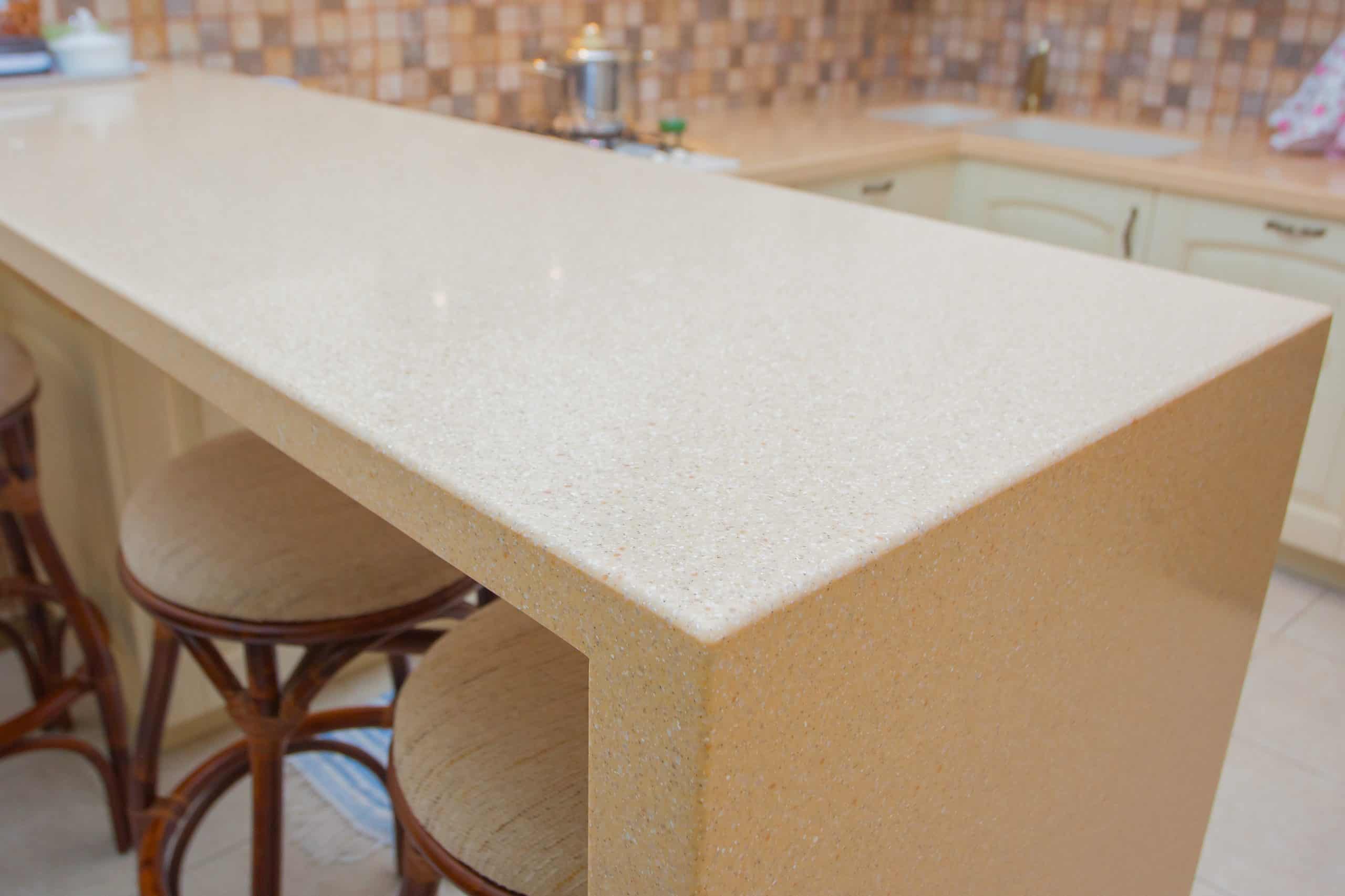
Is your cherished stone looking lackluster? Diamond Stone Restoration Corp, serving New York City, restores the inherent beauty of your stone surfaces. We refresh your marble, granite, and other natural stones, making them the centerpiece of your space Harlem, NY.

Hear from Our Customers

Our determination to restore the natural allure of your stone surfaces stems from our deep understanding of the architectural heritage of New York City. We recognize the diverse styles found throughout the region and adapt our methods to suit each project. Our team skillfully blends time-tested techniques with cutting-edge technology, guaranteeing superior results. We believe in a collaborative approach, working closely with you to understand your vision and deliver exceptional service. Our unwavering attachment to quality craftsmanship and client satisfaction distinguishes us as a premier stone restoration provider in New York City.
Ready to get started?
Natural stone possesses an inherent charm that uplifts any space. However, time and use can diminish its luster. Stone restoration is the key to unlocking that hidden brilliance, revealing the stone’s true character. We approach each project with a deep respect for the material and our will to preserve its integrity. We understand the unique challenges presented by NY’s environment and personalize our techniques accordingly. Call Diamond Stone Restoration Corp, and let us help you rediscover the natural beauty of your stone.

Before the arrival of European settlers, the area that would become Harlem (originally Haarlem) was inhabited by a Native American band, the Wecquaesgeek, dubbed Manhattans or Manhattoe by Dutch settlers, who along with other Native Americans, most likely Lenape, occupied the area on a semi-nomadic basis. As many as several hundred farmed the Harlem flatlands. Between 1637 and 1639, a few settlements were established. The settlement of Harlem was formally incorporated in 1660 under the leadership of Peter Stuyvesant.
During the American Revolution, the British burned Harlem to the ground. It took a long time to rebuild, as Harlem grew more slowly than the rest of Manhattan during the late 18th century. After the American Civil War, Harlem experienced an economic boom starting in 1868. The neighborhood continued to serve as a refuge for New Yorkers, but increasingly those coming north were poor and Jewish or Italian. The New York and Harlem Railroad, as well as the Interborough Rapid Transit and elevated railway lines, helped Harlem’s economic growth, as they connected Harlem to lower and midtown Manhattan.
The Jewish and Italian demographic decreased, while the black and Puerto Rican population increased in this time. The early-20th century Great Migration of black people to northern industrial cities was fueled by their desire to leave behind the Jim Crow South, seek better jobs and education for their children, and escape a culture of lynching violence; during World War I, expanding industries recruited black laborers to fill new jobs, thinly staffed after the draft began to take young men. In 1910, Central Harlem population was about 10% black people. By 1930, it had reached 70%.
Learn more about Harlem.Local Resources
Useful Links